Introduction of the IBM 5150 - August 12, 1981
1981 · Boca Raton, United States
IBM introduced its first personal computer, the IBM 5150, which played a pivotal role in the development and popularization of personal computing.
August 3, 1977
The Tandy Corporation announced the TRS-80 Model I, one of the world's first mass-produced personal computers.
Fort Worth, United States | Tandy Corporation
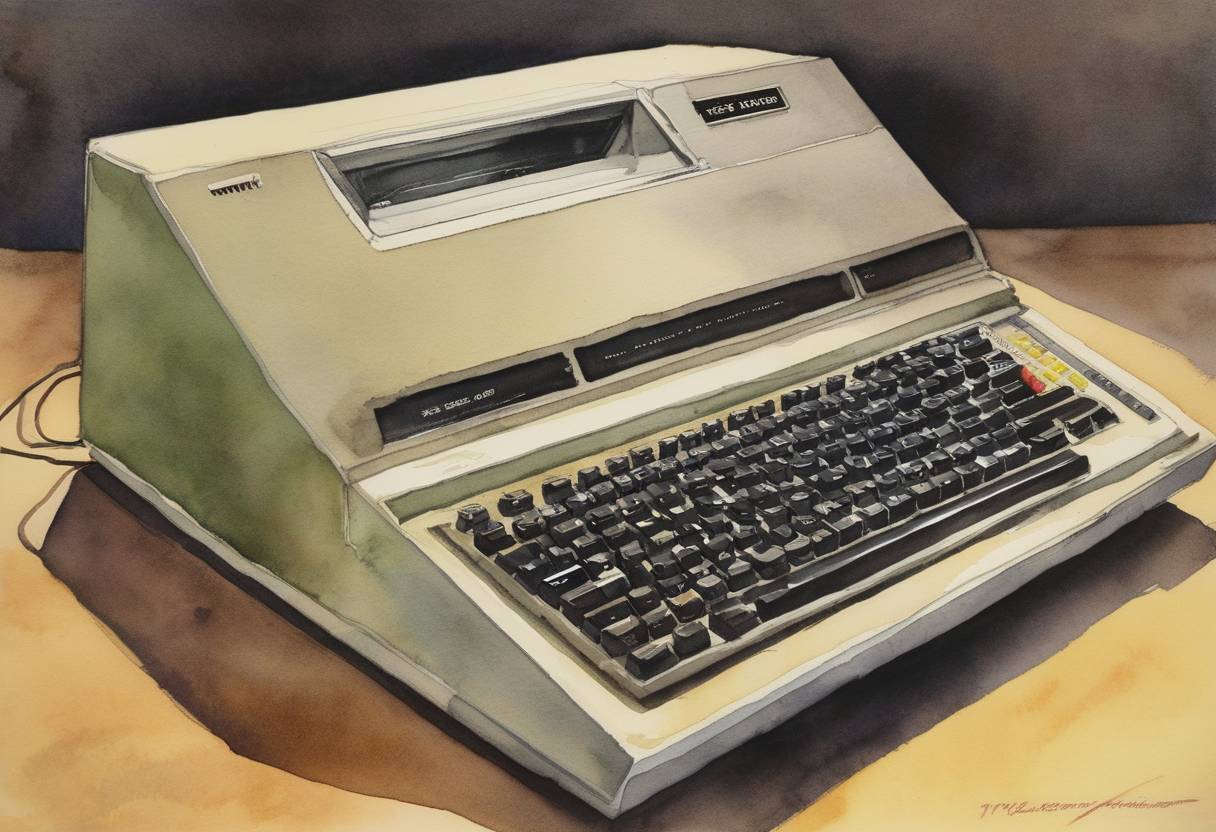
On August 3, 1977, the Tandy Corporation, under its Radio Shack division, announced the TRS-80 Model I personal computer. This announcement marked a pivotal moment in the computing industry, as the TRS-80 would become one of the first mass-produced personal computers, heralding a new era in personal computing for individuals and small businesses.
In the 1970s, the personal computing revolution was in its infancy, with a few hobbyist computers available but nothing yet achieving significant consumer penetration. Tandy Corporation, primarily known for its electronics stores under the Radio Shack brand, saw potential in the emerging market for affordable, user-friendly personal computers.
The TRS-80 Model I featured several components that would become standard in future personal computers:
The system was priced at $599, making it accessible for a wider audience compared to contemporaries.
Upon its release, the TRS-80 Model I was met with significant consumer interest. The combination of its relatively low cost, robustness, and effective marketing through Radio Shack’s extensive retail network helped it gain quickly in popularity. By the late 1970s, the TRS-80 had rapidly become one of the top-selling personal computers.
The computer’s success demonstrated the viability of the personal computer market and encouraged other companies to enter the field. It paved the way for future innovations in computer technology, contributing significantly to the development and popularization of personal computers.
The TRS-80 Model I reinforced the strategic decision by Tandy Corporation to invest in personal computing, encouraging continual development and subsequent models like the TRS-80 Model III and TRS-80 Model 100. The platform is remembered as a catalyst in democratizing access to computing technology, inspiring future generations of both computing hardware and software development.
Source: www.computerhistory.org