Birth of Prince George of Cambridge
2013 · London, United Kingdom
Prince George of Cambridge, the first child of Prince William and Catherine, Duchess of Cambridge, was born.
July 17, 1917
The British Royal Family changed its name from the House of Saxe-Coburg and Gotha to the House of Windsor due to anti-German sentiment in the United Kingdom during World War I.
London, United Kingdom | British Royal Family
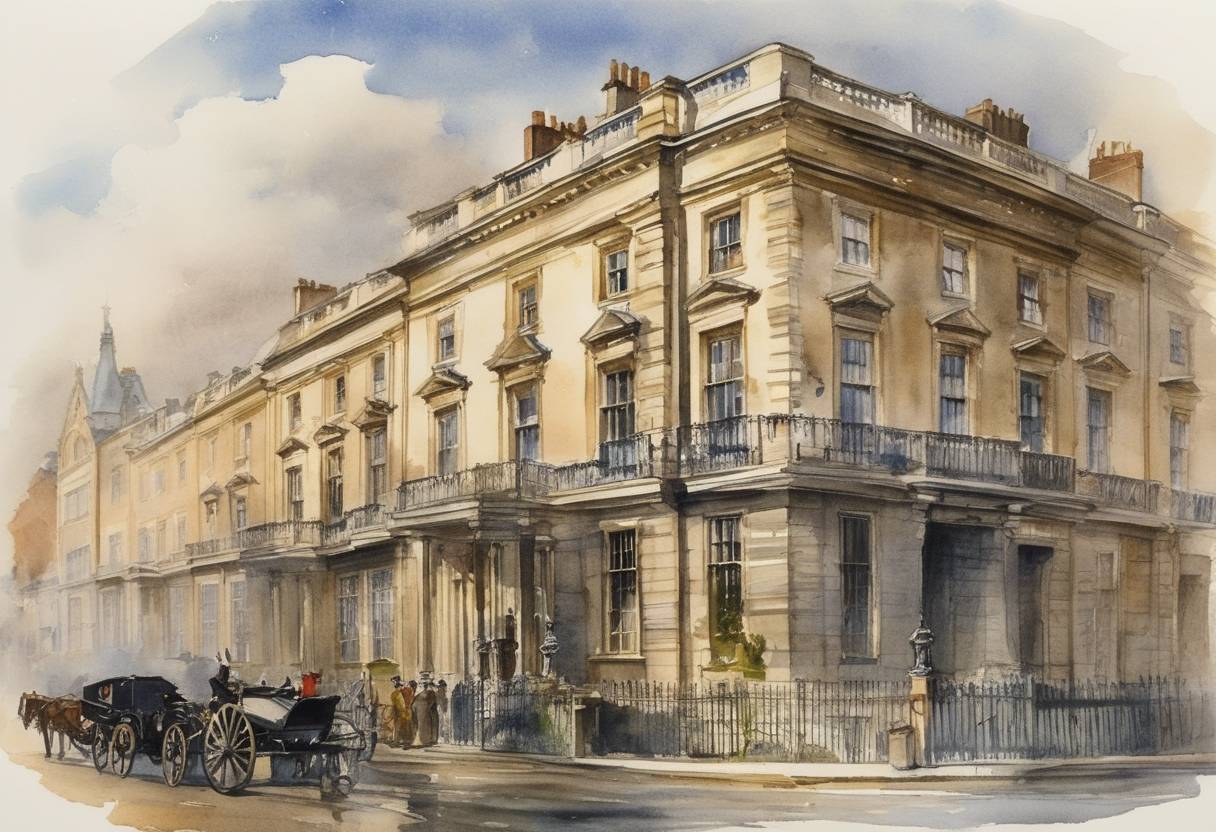
On July 17, 1917, amid the turmoil of World War I, the British Royal Family made a significant change to its dynastic identity by renaming itself from the House of Saxe-Coburg and Gotha to the House of Windsor. This decision was primarily motivated by the rising anti-German sentiment in the United Kingdom, as the country was embroiled in a conflict against Germany and its allies.
During the early 20th century, many European royal families were interrelated, sharing Germanic roots. The British Royal Family’s lineage was extensively linked to German nobility. In 1840, Queen Victoria of the United Kingdom married Prince Albert of Saxe-Coburg and Gotha, further cementing this connection. Consequently, after Queen Victoria’s death, her son King Edward VII became the first British monarch of the House of Saxe-Coburg and Gotha.
The outbreak of World War I in 1914 generated widespread anti-German sentiments across Britain. The British government and public harbored strong feelings of animosity towards anything perceived as German, affecting even cultural and historical associations. The icing on the cake was an incident when German Gotha aircraft launched bombing raids on London in 1917, tying the family name uncomfortably close to the enemy.
King George V, recognizing the impact of public opinion and the need to unify the nation, made the consequential decision to rebrand the royal lineage. On July 17, 1917, a royal proclamation officially declared that the British Royal Family would adopt the name “Windsor,” chosen for its English resonance, inspired by Windsor Castle, a prominent royal residence with longstanding historical significance.
This name change successfully distanced the monarchy from its German connections and fostered a sense of British patriotism and identity at a critical time. The newly christened House of Windsor helped defuse some public unease and aligned the monarchy’s image more closely with British national interests.
The shift to the House of Windsor marked a profound moment in the history of the British monarchy, reflecting the broader sociopolitical shifts of the era. It served as an early 20th-century example of how royal diplomacy and strategic communication could adapt to contemporary challenges, setting a precedent for how dynastic identity might be managed in response to international and domestic pressures.
Source: www.bbc.co.uk