The Ascension of Caligula: March 18, 37 AD
37 · Rome, Roman Empire
The Roman Senate annuls Tiberius's will and proclaims Caligula as Emperor of Rome.
August 19, 0031
The Roman Emperor Augustus died. His death became widely recognized on September 2, the day when his successor, Tiberius, was publicly declared the Emperor of Rome.
Rome, Roman Empire | Roman Senate
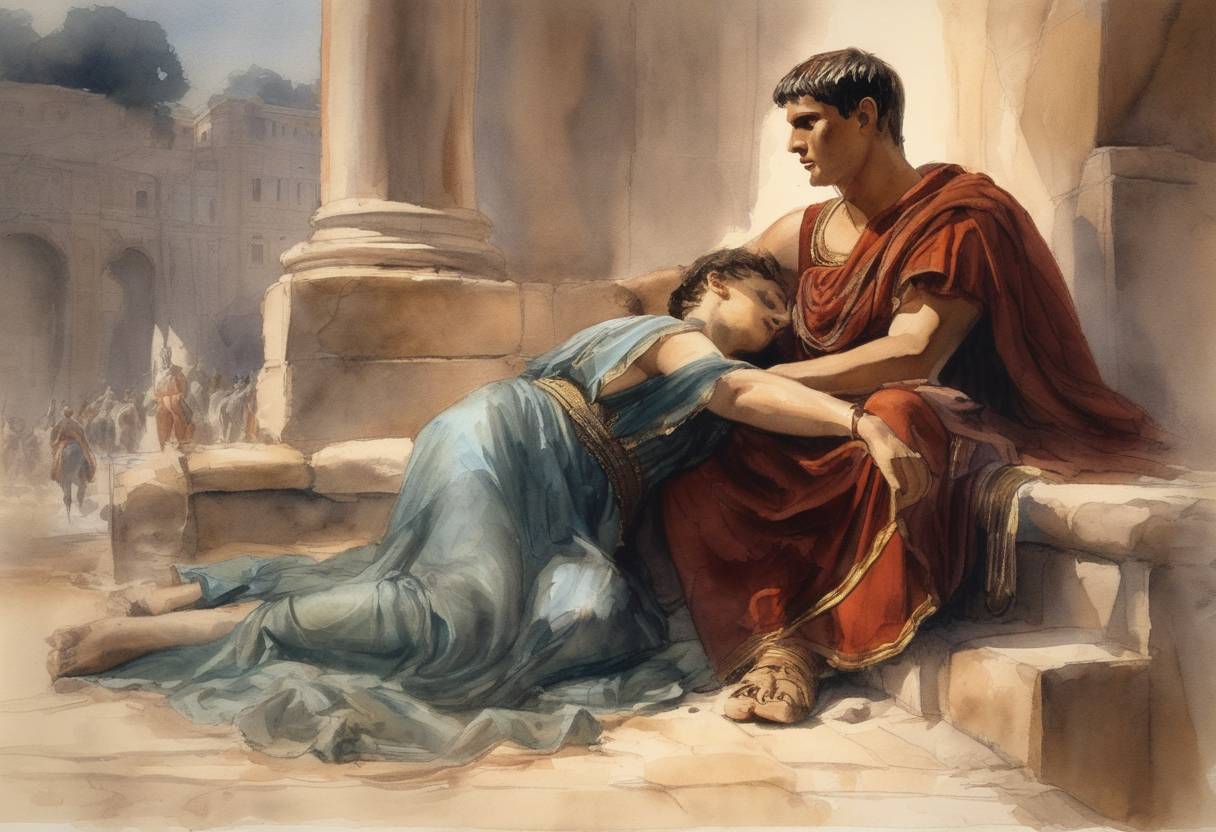
Augustus, the first Emperor of Rome, passed away on August 19, 14 CE, at the age of 75. Born Gaius Octavius Thurinus on September 23, 63 BCE, he was posthumously adopted by his great-uncle Julius Caesar, eventually becoming Gaius Julius Caesar Octavianus. Augustus’ death marked the end of an era that saw the transformation of the Roman Republic into the Roman Empire, a legacy that profoundly influenced the course of Western history.
Augustus’ rule, which began in 27 BCE, stabilized Rome following a period of civil wars. Known for establishing the Pax Romana—a long period of relative peace across the empire—Augustus implemented reforms that solidified imperial authority while maintaining the facade of republican governance. His leadership saw the empire flourish economically, culturally, and militarily, setting the stage for the prosperity of the early Roman Empire.
Upon his death in Nola, in present-day Italy, Tiberius, Augustus’ stepson and chosen successor, was declared the Emperor of Rome. This succession was significant as it represented the consolidation of the Julio-Claudian dynasty, ensuring continuity and stability in imperial governance. Tiberius’ public declaration as Emperor on September 2, 14 CE, marked the official transition of power, though Augustus had involved him in governance well before his passing.
Augustus’ deification by the Roman Senate further solidified his monumental influence. Tiberius’ reign, while marked by an efficient administrative style, also saw increased tension within the imperial family and Senate. Augustus’ establishment of a principle wherein emperors could be divinely honored set patterns of imperial cult worship that persisted throughout the Roman Empire.
Augustus’ era was not only pivotal in shaping the Roman political landscape but also in influencing subsequent European governance models. His reign laid foundational governance structures that would endure long after the decline of Rome, embedding his legacy within the annals of history as a paragon of imperial majesty and governance.
Source: www.britannica.com