Ceasefire Agreement Between Israel and Hamas - November 22, 2012
2012 · Gaza City, Palestine
Ceasefire agreement was reached between Israel and Hamas, ending eight days of fighting in the Gaza Strip.
April 8, 2004
The leader of Hamas, Abdel Aziz al-Rantissi, is confirmed as the new head of the movement in Gaza after the assassination of Sheikh Ahmed Yassin by Israel.
Gaza City, Palestinian Territories | Hamas
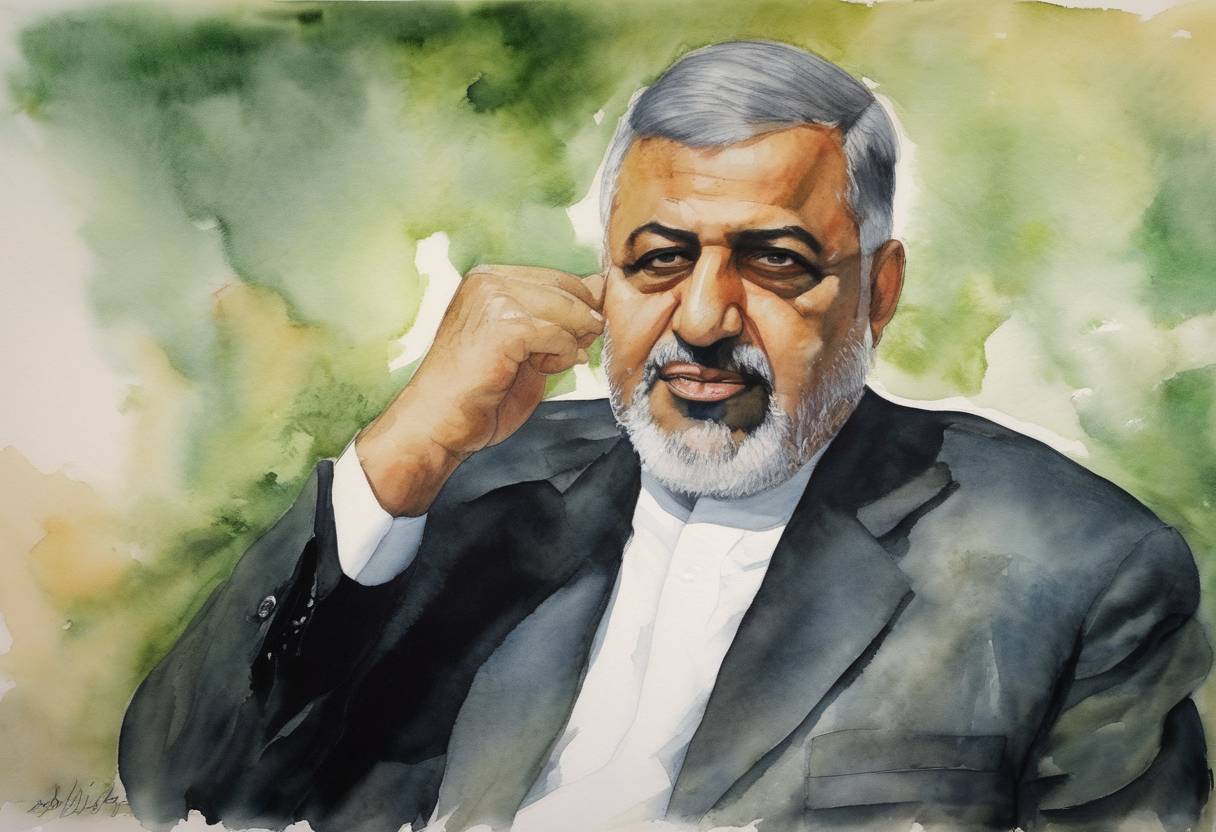
On April 8, 2004, Abdel Aziz al-Rantissi was confirmed as the new head of Hamas in Gaza, following the assassination of the organization’s founder, Sheikh Ahmed Yassin, by an Israeli airstrike on March 22, 2004. This leadership transition marked a significant moment in the history of Hamas and the ongoing Israeli-Palestinian conflict.
Hamas, an acronym for “Harakat al-Muqawama al-Islamiya,” is a Palestinian Sunni-Islamic militant and political organization. Founded in 1987 during the First Intifada, it has been a principal actor in Palestinian resistance against Israeli occupation, operating both as a political entity and an armed resistance group. Sheikh Ahmed Yassin, a revered and influential figure, co-founded Hamas and was its spiritual leader until his death.
Sheikh Ahmed Yassin’s Assassination: Israeli forces targeted Yassin, alleging his involvement in militant activities and his role in planning attacks against Israel. The death of Yassin sparked widespread outrage among Palestinians and increased tensions in the region.
Al-Rantissi’s Appointment: Following Yassin’s death, Abdel Aziz al-Rantissi, then a prominent leader within Hamas, was appointed as the new head of the movement’s Gaza Strip operations. Known for his hardline stance, al-Rantissi had been a key figure in Hamas’s political and military strategies.
Leadership Style: Rantissi was known for his vehement opposition to Israel and his refusal to negotiate with the Israeli government, advocating for continued armed struggle.
Impact on Hamas: Rantissi’s leadership was part of a broader effort by Hamas to maintain its resistance narrative and leadership continuity after the loss of Yassin. His appointment reinforced the organization’s commitment to its ideological foundations and objectives.
Regional Impact: The leadership change in Hamas following Yassin’s assassination further escalated tensions in the region, contributing to a period of intensified violence and retaliatory actions between Israeli forces and Palestinian militants.
Abdel Aziz al-Rantissi’s tenure as leader was short-lived. Just a few weeks after his appointment, on April 17, 2004, he was killed in an Israeli targeted assassination. His death further complicated the leadership dynamics within Hamas and amplified animosities in the Israeli-Palestinian conflict.
Rantissi’s appointment and subsequent assassination underline the volatility and high stakes of leadership within militant organizations like Hamas in the context of the Israeli-Palestinian conflict, influencing the political and armed resistance strategies in subsequent years.
Source: www.nytimes.com