The Capping of the Deepwater Horizon Oil Leak - May 18, 2010
2010 · Gulf of Mexico, United States
Underwater oil leak caused by the Deepwater Horizon spill is capped.
April 17, 2010
The Deepwater Horizon oil rig, which had been drilling an exploratory well in the Macondo Prospect, experiences a blowout, leading to one of the largest environmental disasters in history, affecting the Gulf of Mexico.
Gulf of Mexico, United States | British Petroleum (BP)
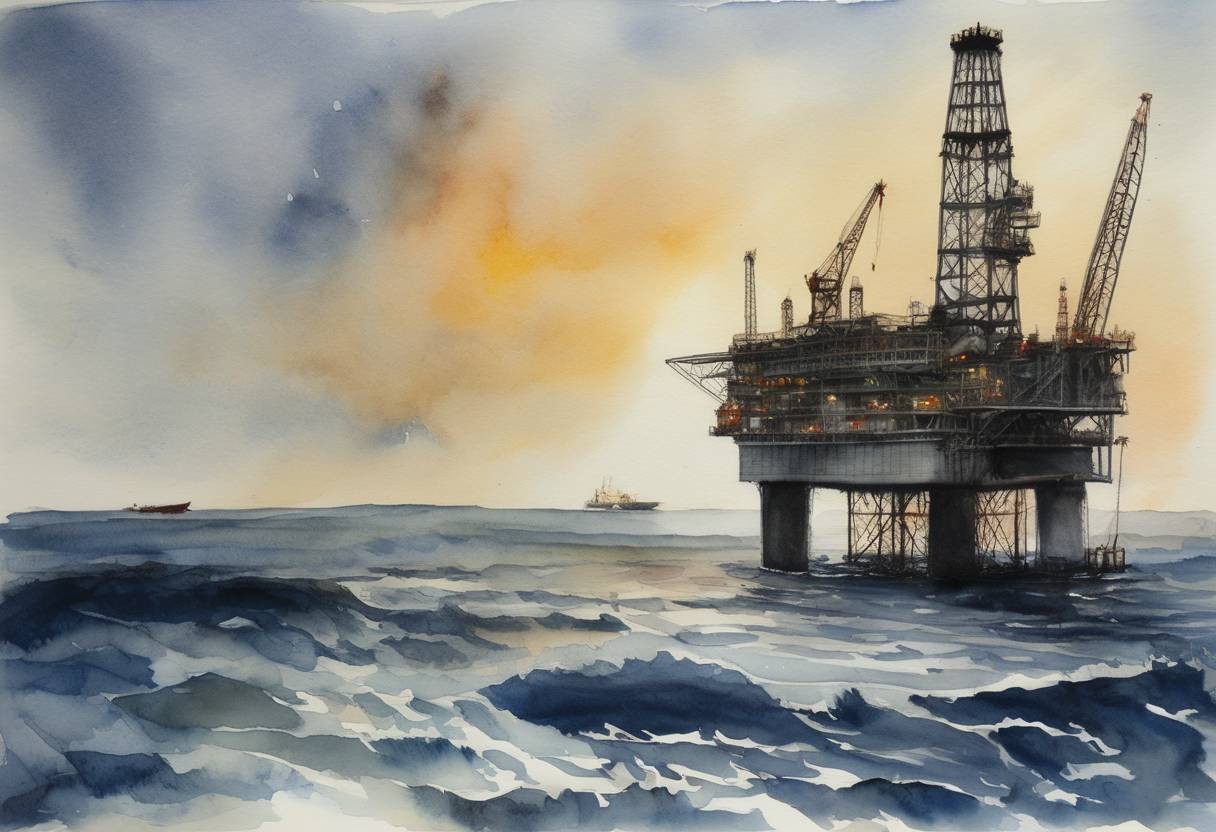
The Deepwater Horizon oil rig suffered its catastrophic blowout not on April 17, 2010, but three days later on April 20, 2010. Therefore, there are no significant events recorded on April 17 directly related to the Deepwater Horizon accident. Here is information about the event on its correct date.
The Deepwater Horizon was an ultra-deepwater, dynamically positioned, semi-submersible offshore drilling rig operated by Transocean and owned by British Petroleum (BP). It was situated at the Macondo Prospect, an oil field in the Mississippi Canyon, a designated area of the Gulf of Mexico.
On April 20, 2010, a blowout occurred on the rig. This was primarily due to a failed cement job at the wellhead, an issue compounded by a series of mechanical failures, human errors, and flawed decision-making processes. The blowout preventer mechanism, which is critical for maintaining well integrity and preventing such explosions, malfunctioned when needed most.
The blowout resulted in a catastrophic explosion, killing 11 crew members and triggering a massive fire that engulfed the rig. On April 22, the Deepwater Horizon sank, leading to an uncontrolled flow of oil into the Gulf of Mexico.
This disaster led to one of the largest marine oil spills in history, releasing an estimated 4.9 million barrels of oil into the Gulf over 87 days. The widespread environmental damage affected marine and wildlife habitats in the Gulf and led to widespread soil and water contamination along the coast.
The catastrophe spurred extensive legal action, resulting in BP pleading guilty to 11 counts of manslaughter and other charges. The company faced financial penalties amounting to billions of dollars in fines and settlements. This event also led to significant changes in U.S. regulation of offshore drilling activities, including more stringent safety standards and oversight measures.
The Deepwater Horizon disaster highlighted critical vulnerabilities in offshore drilling technology and regulatory frameworks. It intensified global discussions on energy policy, environmental protection, and the balance between economic growth and sustainable practices.
If you want more detailed information about the actual event on this date, you can refer to April 20, 2010, as the focal point.
Source: en.wikipedia.org