Formation of The Football Association
1863 · London, England
The Football Association was formed in England, establishing the rules of association football (soccer).
August 13, 1751
The first International World Chess Championship ended in a victory for French chess player François-André Danican Philidor.
London, England | N/A
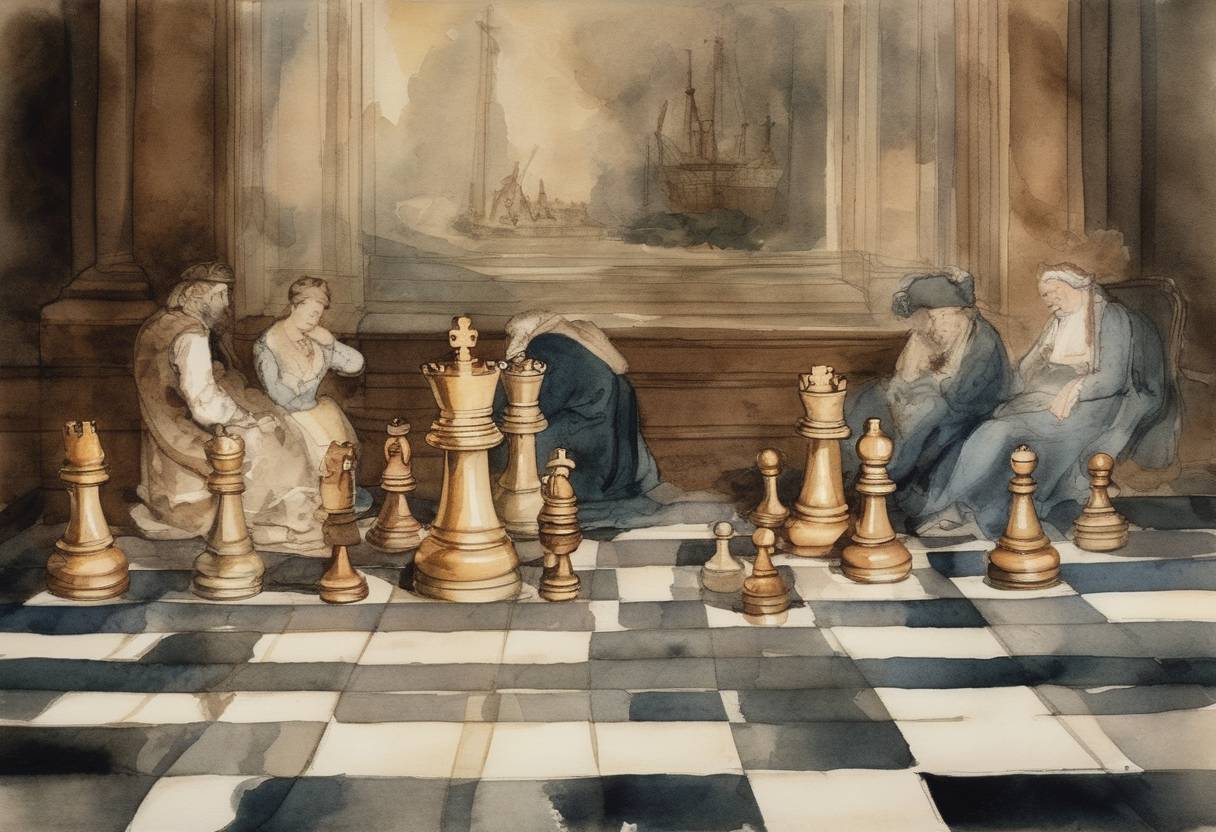
The claim that François-André Danican Philidor won the first International World Chess Championship on August 13, 1751, is factually incorrect. Philidor was indeed a preeminent chess player of the 18th century and widely regarded as the strongest player of his era. However, the concept of an official World Chess Championship did not exist until the late 19th century.
Philidor’s significant contributions to chess include his influential writings and strategic innovations, which were pivotal in developing modern chess play. Notably, one of his famed publications, Analyse du jeu des Échecs, was first released in 1749 and greatly influenced the chess world by advocating for the importance of pawn structure and mobility.
François-André Danican Philidor was a French composer and chess player born on September 7, 1726. Apart from his key influence on chess strategy, he was also a notable music composer, belonging to a family with rich musical heritage.
Philidor became well-known for touring various European capitals, playing simultaneous and blindfold exhibitions. His abilities in long-term strategy planning on the chessboard earned him international acclaim. Despite the absence of formal world championships during his time, Philidor’s reputation was such that he unleashed his prowess against many of Europe’s strongest players.
Philidor’s legacy in chess was firmly established through his pioneering strategy emphasizing pawn structure, encapsulated in his famous adage, “Pawns are the soul of chess.” His method laid the groundwork for principles still fundamental in contemporary chess.
While there was no specific competition like a world championship during his time, Philidor dominated the chess scene, especially in Paris, and was often acknowledged by peers as the best player of his time until his death in 1795.
The historical records do not support the event of a World Chess Championship occurring on August 13, 1751. However, Philidor’s towering influence on the development of chess as a structured, strategic discipline remains undisputedly significant. His innovations and teachings paved the way for future formal competitions that eventually evolved into the modern concept of the World Chess Championship.
Source: en.wikipedia.org