The "Surgeon's Photograph" and the Loch Ness Monster Hoax
1934 · Loch Ness, United Kingdom
The 'Surgeon's Photograph', purportedly showing the Loch Ness Monster, was published in the Daily Mail. It was later revealed to be a hoax.
November 12, 1933
Hugh Gray takes the first known photos of the Loch Ness Monster, sparking widespread interest and debate about the creature's existence.
Loch Ness, Scotland
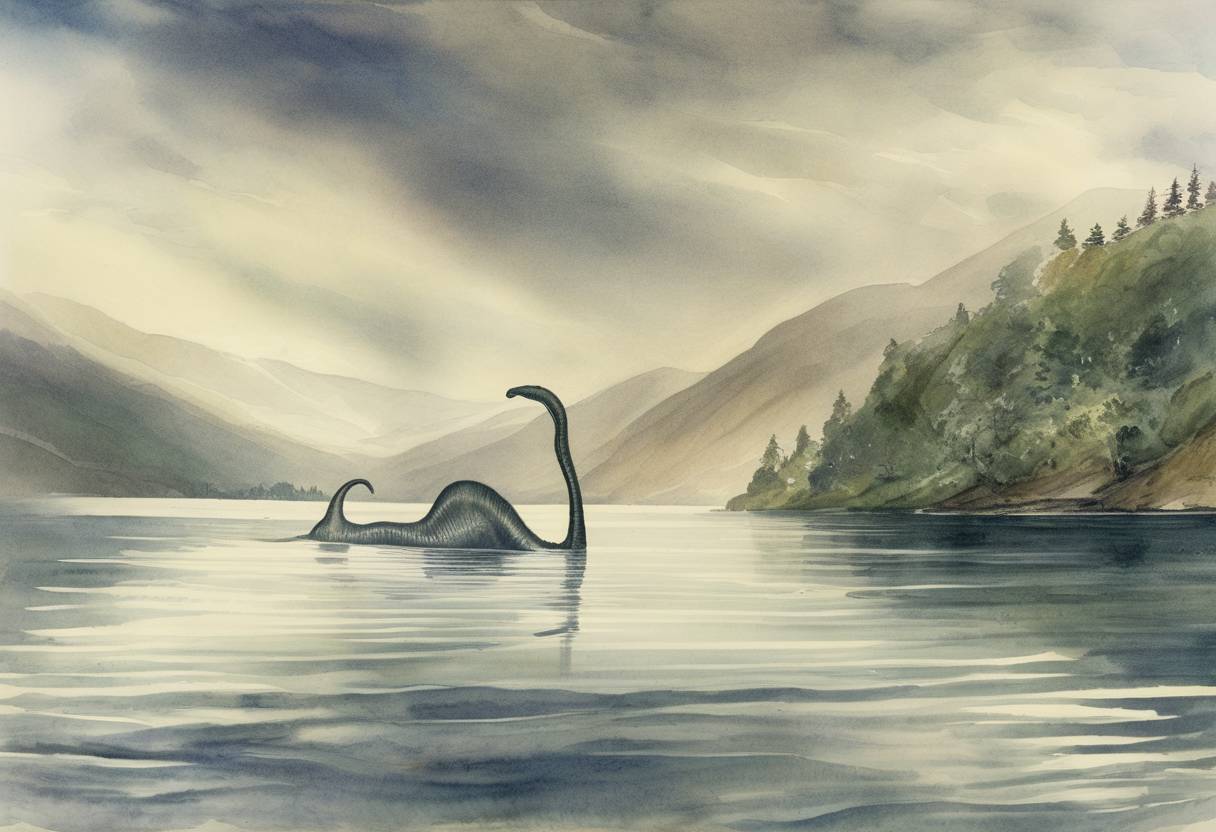
On November 12, 1933, Hugh Gray captured what is considered the first known photograph of the Loch Ness Monster, a moment that significantly fueled public fascination and debate over the existence of this legendary creature.
The Loch Ness Monster, often affectionately referred to as “Nessie,” is a creature said to inhabit Loch Ness, a large freshwater loch in the Scottish Highlands. Reports of a mysterious creature in the loch date back to ancient times, but it was in the early 20th century that interest in Nessie surged, partly due to increased media coverage and the advent of photography.
In 1933, the construction of a new road along the loch’s shore made the area more accessible, leading to a rise in reported sightings. Earlier that year, in May, a couple claimed to have seen a large animal rolling and plunging on the surface of the loch, an account that was widely publicized and sparked considerable interest.
Hugh Gray, a local resident, took the photograph on a Sunday afternoon while walking along the loch. The image, which shows a blurred, indistinct shape in the water, was published in the Daily Express newspaper, capturing the public’s imagination and igniting widespread speculation.
Gray’s photograph is often described as showing a long, serpentine creature with a series of humps. However, due to the photograph’s lack of clarity, it has been subject to various interpretations. Some skeptics suggest it could be a dog swimming with a stick in its mouth, while others propose it might be a distorted image of a bird or an otter.
The publication of Gray’s photograph marked a turning point in the Loch Ness Monster legend, transforming it from local folklore into a global phenomenon. The image spurred a wave of interest, leading to numerous expeditions and investigations aimed at uncovering the truth behind the Loch Ness Monster.
In the years following Gray’s photograph, several other alleged sightings and photographs emerged, each adding to the mystique and debate surrounding Nessie. The creature has since become a cultural icon, inspiring countless books, films, and documentaries.
The fascination with the Loch Ness Monster reflects broader themes in human culture, such as the allure of the unknown and the desire to believe in mysteries beyond scientific explanation. The legend of Nessie continues to captivate the public, drawing tourists to Loch Ness and contributing to Scotland’s cultural heritage.
While the existence of the Loch Ness Monster remains unproven, the story of Hugh Gray’s photograph endures as a testament to the power of myth and the enduring human curiosity about the natural world.
Source: en.wikipedia.org