Capture of Kiev: September 19, 1941
1941 · Kiev, Ukraine
The German Army captured Kiev during Operation Barbarossa, resulting in a significant victory for Nazi Germany on the Eastern Front of World War II.
June 27, 1941
Romanian and German forces launched Operation München against the Soviet Union, marking Romania's entry into World War II.
Eastern Front, Operation covered territories in Romania and Soviet Union | Axis Powers
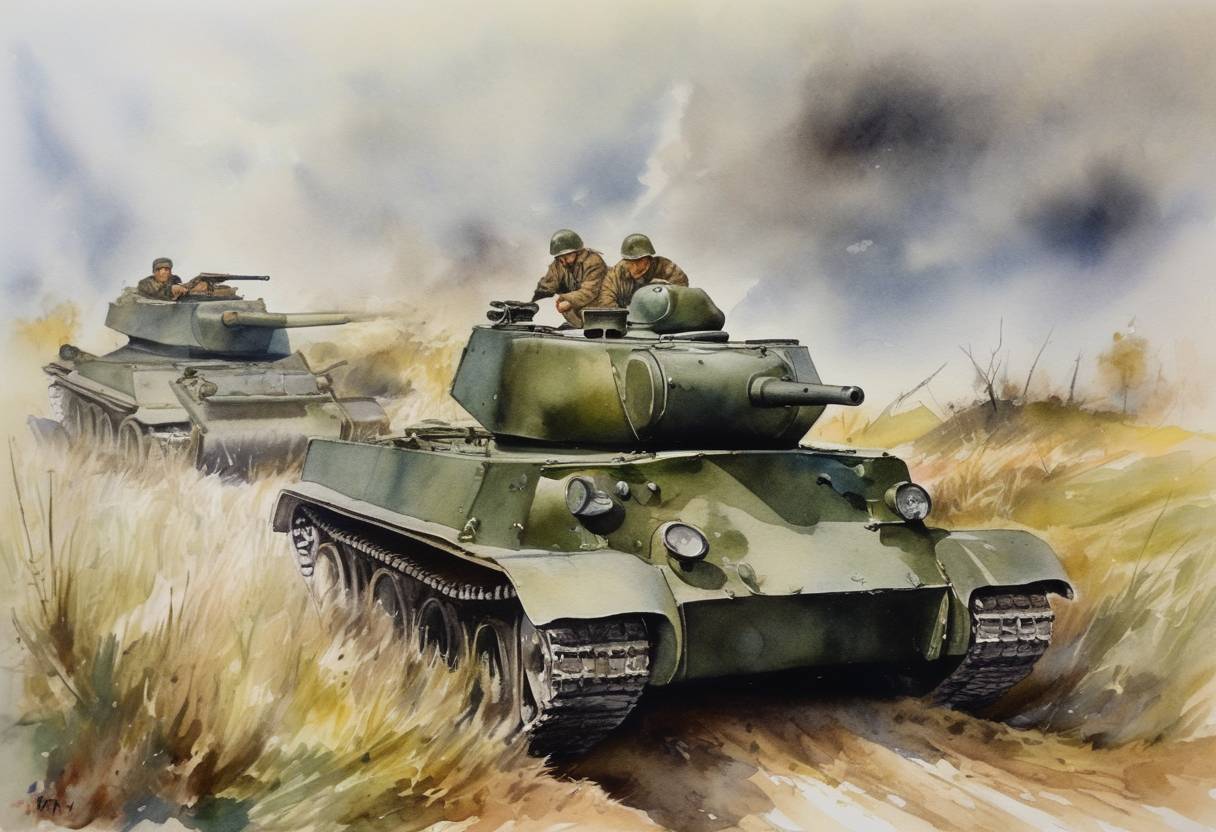
On June 27, 1941, Romanian and German forces initiated Operation München, which marked Romania’s official entry into World War II on the side of the Axis powers. The operation was a joint military campaign against the Soviet Union and was crucial in the early stages of the Eastern Front operations.
Before the launch of Operation München, Romania had experienced a significant territorial setback. In June 1940, under the pressure of a Soviet ultimatum, Romania had to cede Bessarabia and Northern Bukovina to the Soviet Union. This loss fostered a climate of political dissatisfaction and growing nationalism within Romania, prompting its alignment with Nazi Germany.
Operation München aimed to reclaim the territories of Bessarabia and Northern Bukovina, lost during the previous year. The campaign was part of a broader German strategic plan known as Operation Barbarossa, which sought the comprehensive invasion and defeat of the Soviet Union.
Operation München was a component of the larger Operation Barbarossa, which marked the beginning of the massive German invasion of the Soviet Union. The operation exemplifies the complexity of alliances during World War II and the strategic importance of Eastern Europe in the conflict. The advancement into the Soviet Union by Axis forces opened a prolonged and brutal front that would become one of the war’s largest theaters of combat.
The moves by Romania, fueled by a desire to recover lost territories, reflect the often overlapping and conflicting national interests present during World War II. These campaigns contributed to shaping the military and political landscapes of both the Axis and the Soviet Union throughout the war.
Source: en.wikipedia.org