Norway's EU Membership Referendum, 1994
1994 · Oslo, Norway
Norway held a referendum in which the Norwegian people voted against joining the European Union.
March 27, 1980
The Norwegian oil platform, Alexander L. Kielland, capsized in the North Sea killing 123 workers.
, Norway
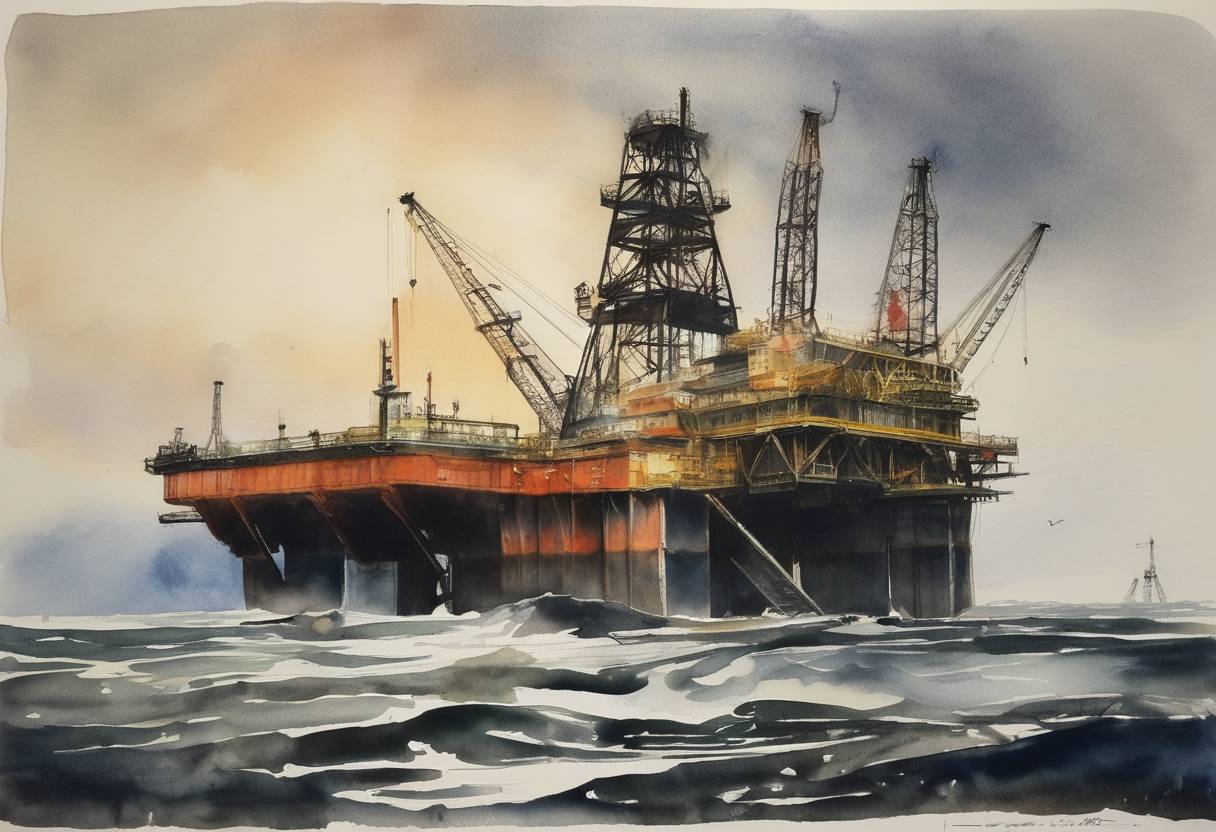
On March 27, 1980, the Norwegian oil platform, Alexander L. Kielland, suffered a catastrophic failure, leading to one of the worst industrial disasters in Norway’s history. The incident occurred in the North Sea, approximately 320 kilometers east of Dundee, Scotland, killing 123 of the 212 workers on board.
The Alexander L. Kielland platform was a semi-submersible drilling rig used as an accommodation platform in the Ekofisk oil field, operated by Phillips Petroleum. The platform, constructed in France by the Compagnie Française d’Entreprises Métalliques, was designed to serve as a floating hotel, housing workers engaged in the oil extraction process.
On the evening of March 27, a storm battered the region with strong winds and high waves. At approximately 6:30 PM local time, a fatigue crack in one of the six bracing support legs of the platform developed, causing the structure to lose its stability. The crack led to the collapse of one of the platform’s five supporting legs. Within minutes, the platform tilted and eventually capsized.
The sudden overturning provided little time for evacuation, and while the harsh weather conditions impeded rescue attempts, several nearby vessels and helicopters assisted in the efforts. However, the majority of life rafts could not be deployed effectively, contributing to the high fatality rate.
Following the disaster, a Norwegian government commission conducted a thorough investigation. The inquiry revealed that the structural integrity problems stemmed from a combination of design flaws, poor quality welding, and inadequate maintenance. Fatigue in the steel bracing and insufficient safety protocols exacerbated the calamity.
As a response to the incident, regulations were significantly tightened in Norway and internationally regarding offshore platforms’ safety standards. The disaster brought attention to risks associated with offshore drilling and led to improvements in emergency preparedness and platform design.
The capsizing of Alexander L. Kielland is a pivotal event in the history of North Sea oil exploration. It highlighted the critical need for rigorous engineering standards and has had a lasting impact on the oil industry’s safety culture. The lessons learned from the tragedy continue to influence offshore drilling safety practices to this day.