Militant Attack on Camp Bastion - September 16, 2012
2012 · Helmand Province, Afghanistan
Militant attack on Camp Bastion in Afghanistan, killing two U.S. Marines and destroying several aircraft.
May 31, 2014
U.S. Army Sergeant Bowe Bergdahl was released by the Taliban in Afghanistan in exchange for five Taliban detainees held at Guantanamo Bay, sparking controversy and debate in the United States.
Khost Province, Afghanistan | Taliban
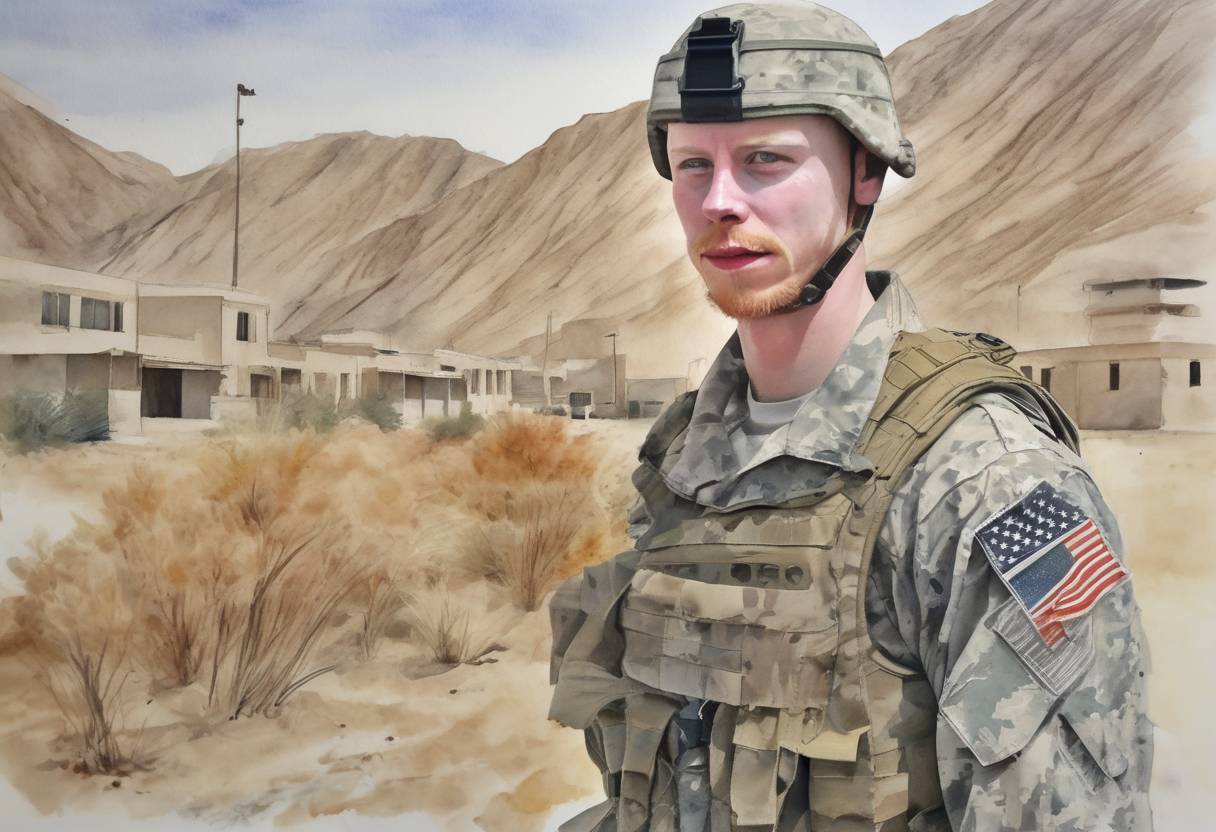
On May 31, 2014, U.S. Army Sergeant Bowe Bergdahl was released by the Taliban in Afghanistan in a highly controversial exchange for five Taliban detainees held at Guantanamo Bay. This event marked a significant moment in U.S. military and political history, sparking widespread debate across the nation.
Bowe Bergdahl, an American soldier, was captured by the Taliban in June 2009 after leaving his post in Afghanistan under circumstances that later became the subject of intense scrutiny and debate. His disappearance and subsequent captivity became a focal point of U.S. military efforts in the region, with numerous operations conducted to locate and rescue him.
The exchange was brokered by the government of Qatar, which acted as an intermediary between the United States and the Taliban. The five Taliban detainees released from Guantanamo Bay were high-profile figures, raising concerns about the potential threat they could pose if they returned to militant activities. The detainees were:
The exchange was met with mixed reactions in the United States:
Following his release, Bergdahl faced a court-martial on charges of desertion and misbehavior before the enemy. In 2017, he pleaded guilty and was sentenced to a dishonorable discharge, reduction in rank, and a fine, but he avoided prison time.
The five Taliban detainees were initially transferred to Qatar under conditions that restricted their movements and activities. Over time, their restrictions were eased, and they were eventually allowed to return to Afghanistan.
The Bergdahl exchange highlighted the complexities of U.S. foreign policy and military engagement in Afghanistan, as well as the ethical and legal challenges of dealing with non-state actors like the Taliban. It also underscored the ongoing debate over the detention and treatment of prisoners at Guantanamo Bay, a contentious issue in U.S. politics and international relations.
Overall, the event remains a significant example of the difficult decisions faced by governments in balancing national security, military ethics, and humanitarian concerns.
Source: www.nytimes.com