Grenfell Tower Fire - June 14, 2017
2017 · London, United Kingdom
A fire broke out in the Grenfell Tower, a residential high-rise building in North Kensington, London, resulting in 72 fatalities.
June 14, 2017
A fire broke out in the Grenfell Tower, a 24-story residential building in North Kensington, West London, resulting in 72 deaths and prompting widespread public and governmental scrutiny over building safety regulations.
London, United Kingdom | Royal Borough of Kensington and Chelsea
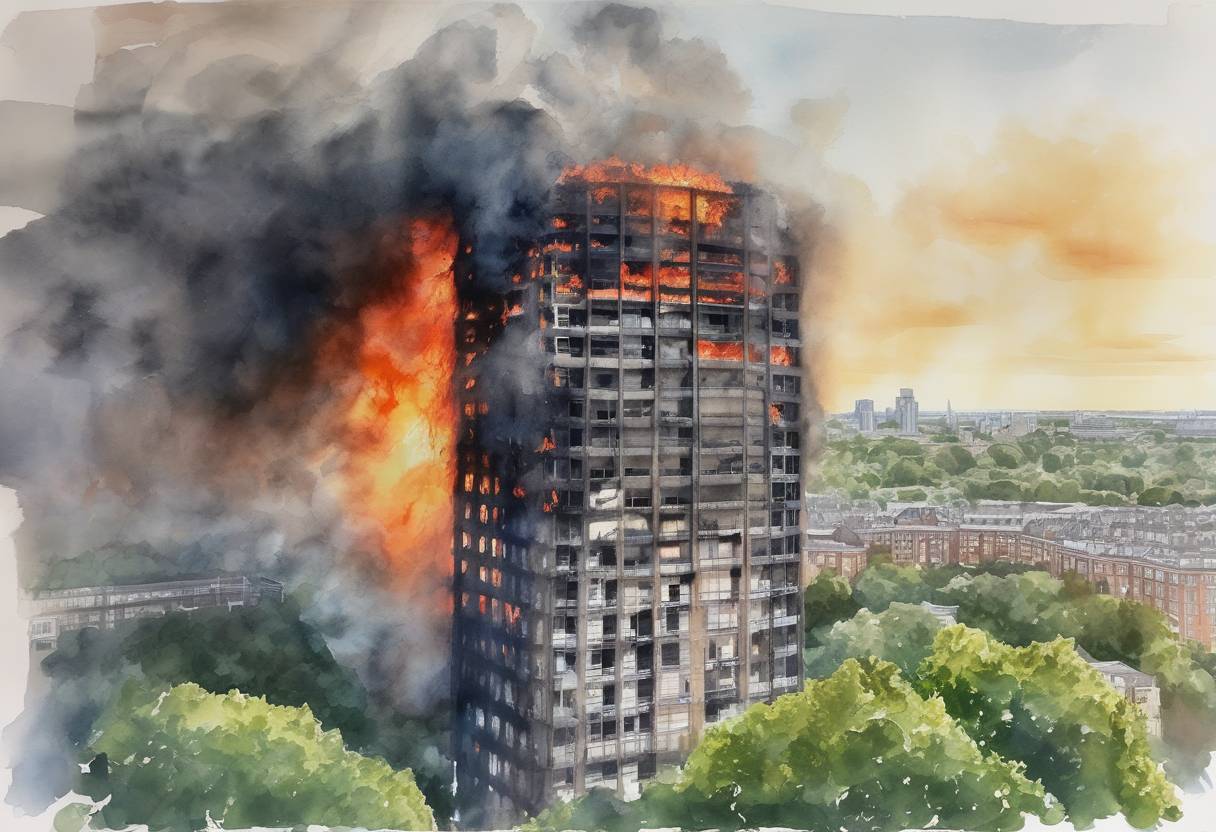
On June 14, 2017, a devastating fire broke out in Grenfell Tower, a 24-story residential building located in North Kensington, West London. The fire resulted in the tragic loss of 72 lives and became one of the deadliest structural fires in the United Kingdom in recent history. This catastrophic event prompted widespread public outrage and governmental scrutiny over building safety regulations and practices.
Grenfell Tower was constructed in 1974 as part of the Lancaster West Estate. It housed approximately 120 apartments and was home to a diverse community. In 2016, the building underwent a refurbishment that included the installation of new cladding, which later became a focal point in investigations into the fire’s rapid spread.
The Grenfell Tower fire had a profound impact on public consciousness and policy in the UK. It exposed critical flaws in building safety regulations and prompted a reevaluation of housing policies, particularly concerning social housing. The event also sparked a broader conversation about social inequality and the treatment of marginalized communities.
The Grenfell Tower fire remains a poignant reminder of the importance of rigorous safety standards and the need for accountability in housing and construction practices. The ongoing inquiry and subsequent reforms aim to prevent such a tragedy from occurring again.
Source: www.bbc.com