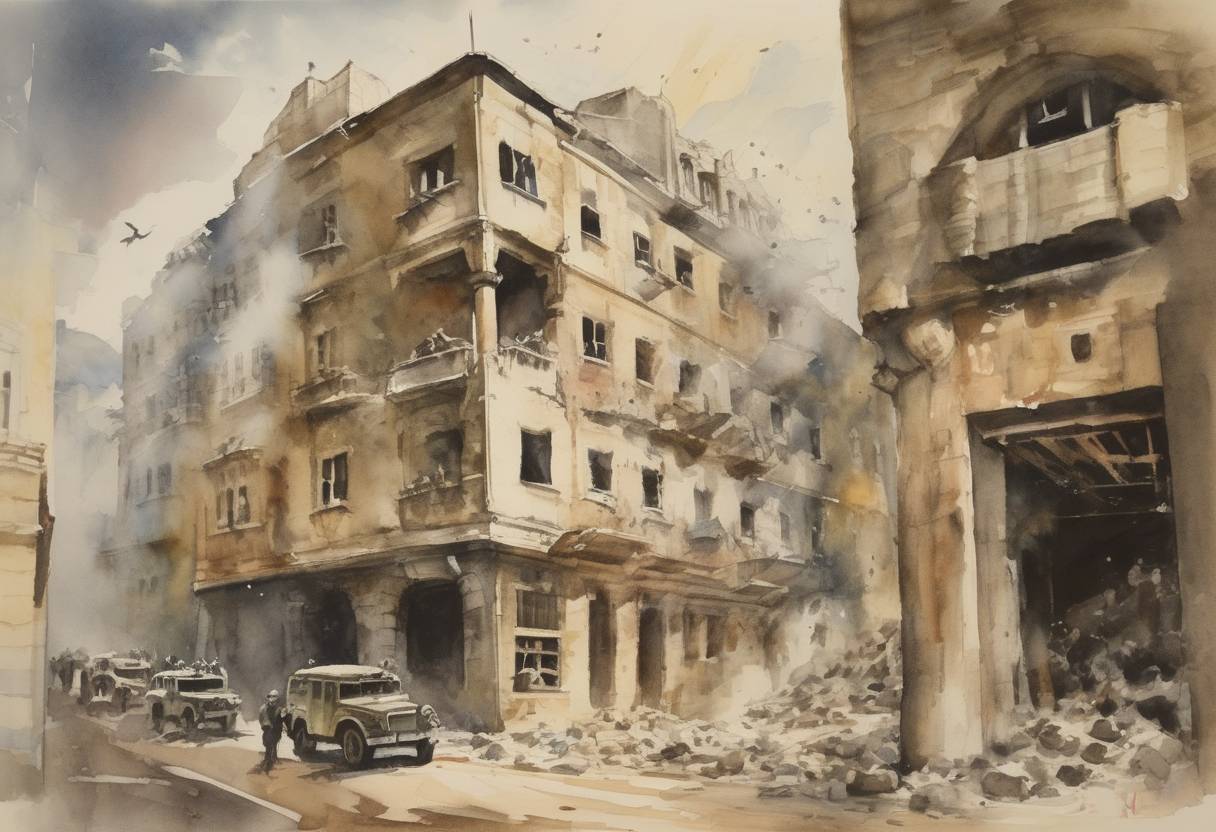
The King David Hotel Bombing: July 22, 1946
The King David Hotel bombing was a significant and controversial event in the history of the British Mandate of Palestine. It was carried out by the Irgun, a Zionist paramilitary organization, on July 22, 1946. This attack targeted the British administrative headquarters, which was housed in the southern wing of the King David Hotel in Jerusalem.
Background
British Mandate of Palestine: Following World War I, the League of Nations granted Britain the mandate to govern Palestine. Tensions between Jewish and Arab populations, as well as between Jewish groups and the British authorities, were escalating during this period.
Irgun: The Irgun (Irgun Tsvai Leumi) was a Zionist paramilitary group that operated in Palestine from 1931 to 1948. It was led by Menachem Begin, who later became the Prime Minister of Israel. The group advocated for the establishment of a Jewish state and often resorted to militant tactics to achieve its goals.
Context of the Attack: The bombing was part of a broader campaign by Jewish paramilitary groups against British rule, which they viewed as obstructive to Jewish immigration and statehood aspirations. The immediate catalyst was the British crackdown on Jewish organizations, including the arrest of many Jewish leaders and the seizure of documents during “Operation Agatha” in June 1946.
The Attack
Planning and Execution: The Irgun meticulously planned the attack, intending to strike a blow against the British administration. On the morning of July 22, members of the Irgun disguised as Arab workers smuggled explosives into the hotel’s basement, which housed the British administrative offices.
Warnings: The Irgun claimed to have issued warnings to evacuate the building to minimize casualties. However, the extent and effectiveness of these warnings remain disputed.
Explosion: At approximately 12:37 PM, the explosives detonated, causing the collapse of the southern wing of the hotel.
Casualties and Damage
Casualties: The bombing resulted in the deaths of 91 people, including 28 British, 41 Arabs, 17 Jews, and 5 others. It also injured 46 individuals.
Damage: The explosion caused extensive damage to the hotel and surrounding area, marking it as one of the deadliest attacks during the British Mandate period.
Aftermath and Significance
British Response: The attack intensified British efforts to curb Jewish paramilitary activities, leading to increased military presence and stricter security measures in Palestine.
Impact on Jewish-British Relations: The bombing strained relations between the British authorities and the Jewish community, complicating the political landscape in Palestine.
Historical Significance: The King David Hotel bombing is often cited as a pivotal moment in the struggle for Israeli independence. It highlighted the lengths to which some Zionist groups were willing to go to achieve their objectives and underscored the complexities of the conflict in Palestine.
Legacy: The event remains a contentious topic in historical narratives, with differing perspectives on its justification and impact. It is remembered as a symbol of the turbulent period leading up to the end of the British Mandate and the eventual establishment of the State of Israel in 1948.
The King David Hotel bombing exemplifies the intense and often violent struggle for control and independence in the region, reflecting the broader geopolitical and social tensions of the time.