The Completion of the Burj Khalifa
2009 · Dubai, United Arab Emirates
The Burj Khalifa, the tallest man-made structure in the world, was completed in Dubai, United Arab Emirates. It officially opened on January 4, 2010.
January 4, 2010
Burj Khalifa, the tallest man-made structure in the world, officially opens in Dubai, United Arab Emirates.
Dubai, United Arab Emirates | Emaar Properties
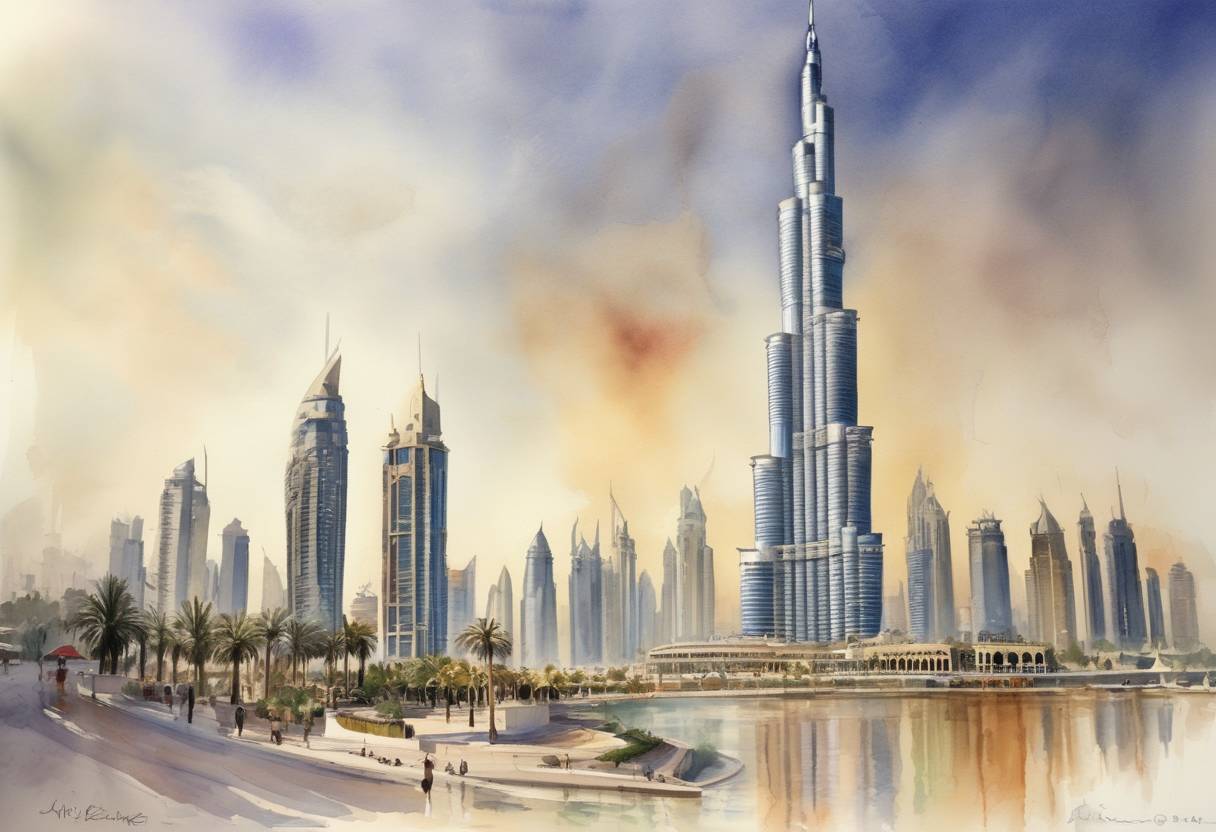
On January 4, 2010, the Burj Khalifa was officially opened in Dubai, United Arab Emirates, marking a significant milestone in architectural and engineering achievements. Standing at a staggering height of 828 meters (2,717 feet), it became the tallest man-made structure in the world, surpassing the previous record held by the Taipei 101 in Taiwan.
Design and Planning: The Burj Khalifa was designed by the architectural firm Skidmore, Owings & Merrill, with Adrian Smith as the chief architect and Bill Baker as the chief structural engineer. The design was inspired by the Hymenocallis flower and Islamic architecture, featuring a triple-lobed footprint.
Construction Timeline: Construction began on January 6, 2004, and involved over 12,000 workers and engineers at its peak. The project was developed by Emaar Properties, a leading real estate company in the UAE.
Materials and Techniques: The tower’s construction utilized cutting-edge technology and materials, including a high-performance concrete mix and a Y-shaped floor plan to enhance stability. The exterior cladding consists of reflective glazing, aluminum, and textured stainless steel spandrel panels.
The grand opening ceremony on January 4, 2010, was a spectacular event attended by dignitaries, including the ruler of Dubai, Sheikh Mohammed bin Rashid Al Maktoum. The event featured a dazzling light and fireworks display, highlighting the tower’s architectural magnificence.
Mixed-Use Development: The Burj Khalifa houses residential apartments, corporate suites, and the luxurious Armani Hotel. It also features observation decks, including the popular “At the Top” on the 124th floor, offering panoramic views of Dubai.
Economic Impact: The tower is a centerpiece of the 490-acre flagship development, Downtown Dubai, and has significantly boosted tourism and economic growth in the region.
Symbol of Modernity: The Burj Khalifa stands as a symbol of Dubai’s rapid modernization and ambition, reflecting the city’s status as a global hub for business and tourism.
Since its opening, the Burj Khalifa has attracted millions of visitors from around the world, becoming an iconic landmark. It has inspired numerous other skyscraper projects globally and remains a testament to human ingenuity and the possibilities of modern engineering.
In conclusion, the Burj Khalifa’s opening on January 4, 2010, was not just a celebration of architectural prowess but also a reflection of Dubai’s vision for the future. Its towering presence continues to captivate and inspire, making it a significant landmark in the history of skyscraper construction.
Source: www.britannica.com