The Borden Murders of August 4, 1892
1892 · Fall River, United States
The father and stepmother of Lizzie Borden were found murdered in their Fall River, Massachusetts home.
June 20, 1893
Lizzie Borden is acquitted of the murders of her father and stepmother in Fall River, Massachusetts, a case that captivated the American public.
Fall River, United States | Bristol County Court
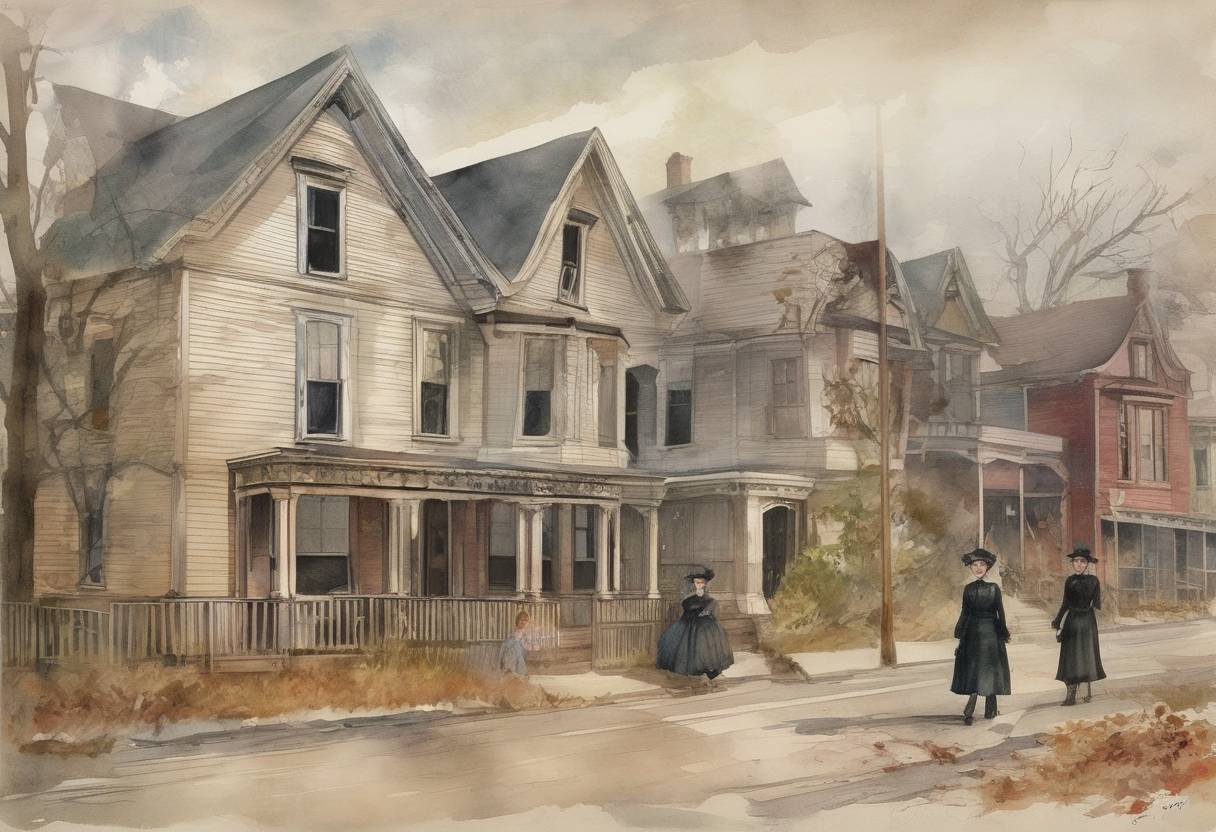
On June 20, 1893, Lizzie Borden was acquitted of the murders of her father, Andrew Borden, and her stepmother, Abby Borden, in a trial that captivated the American public and became one of the most infamous cases in U.S. legal history.
The Borden murders occurred on the morning of August 4, 1892, in Fall River, Massachusetts. Andrew Borden, a wealthy and prominent businessman, and his wife, Abby, were found brutally murdered in their home. Both had been struck multiple times with a hatchet-like weapon. Lizzie Borden, Andrew’s daughter from his first marriage, was the primary suspect due to her presence in the house at the time of the murders and her inconsistent statements to the police.
The trial began on June 5, 1893, in New Bedford, Massachusetts, and lasted for about two weeks. It drew significant media attention, with newspapers across the country covering the proceedings in detail. The prosecution’s case was largely circumstantial, relying on Lizzie’s alleged motive, her opportunity to commit the crime, and her contradictory testimony.
Motive: The prosecution suggested that Lizzie had financial motives, as she stood to inherit a substantial sum from her father’s estate. There were also rumors of familial discord, particularly between Lizzie and her stepmother.
Evidence: The evidence against Lizzie was largely circumstantial. There was no direct evidence linking her to the murders, such as eyewitnesses or a murder weapon with her fingerprints.
Defense: Lizzie’s defense team argued that there was no concrete evidence tying her to the crime. They highlighted the lack of bloodstains on Lizzie’s clothing and the absence of a murder weapon. Additionally, they emphasized her character and standing in the community.
Public Perception: Lizzie’s demeanor and composure during the trial, along with societal biases of the time, played a role in shaping public perception. Many found it difficult to believe that a woman of her social standing could commit such a brutal act.
On June 20, 1893, after deliberating for just over an hour, the jury returned a verdict of “not guilty.” Lizzie Borden was acquitted of all charges, and the case remains officially unsolved.
Public Reaction: The verdict was met with mixed reactions. Some believed in Lizzie’s innocence, while others were convinced of her guilt. The case became a cultural phenomenon, inspiring books, plays, and even a popular nursery rhyme.
Legacy: The Borden case remains a subject of fascination and speculation. It highlights issues of gender, class, and media influence in the legal system. The trial is often cited in discussions about the role of circumstantial evidence and the presumption of innocence.
Lizzie’s Later Life: After the trial, Lizzie Borden lived the rest of her life in Fall River, albeit ostracized by much of the community. She died on June 1, 1927, leaving behind a legacy shrouded in mystery and intrigue.
The Lizzie Borden case continues to be a topic of interest for historians, legal scholars, and true crime enthusiasts, serving as a poignant reminder of the complexities of justice and public perception.
Source: en.wikipedia.org