The Coronation of Queen Elizabeth II
1953 · London, United Kingdom
Queen Elizabeth II is crowned in Westminster Abbey, London, marking the beginning of her reign.
May 12, 1937
The coronation of King George VI and Queen Elizabeth took place at Westminster Abbey in London, marking the beginning of their reign following the abdication of King Edward VIII.
London, United Kingdom | British Monarchy
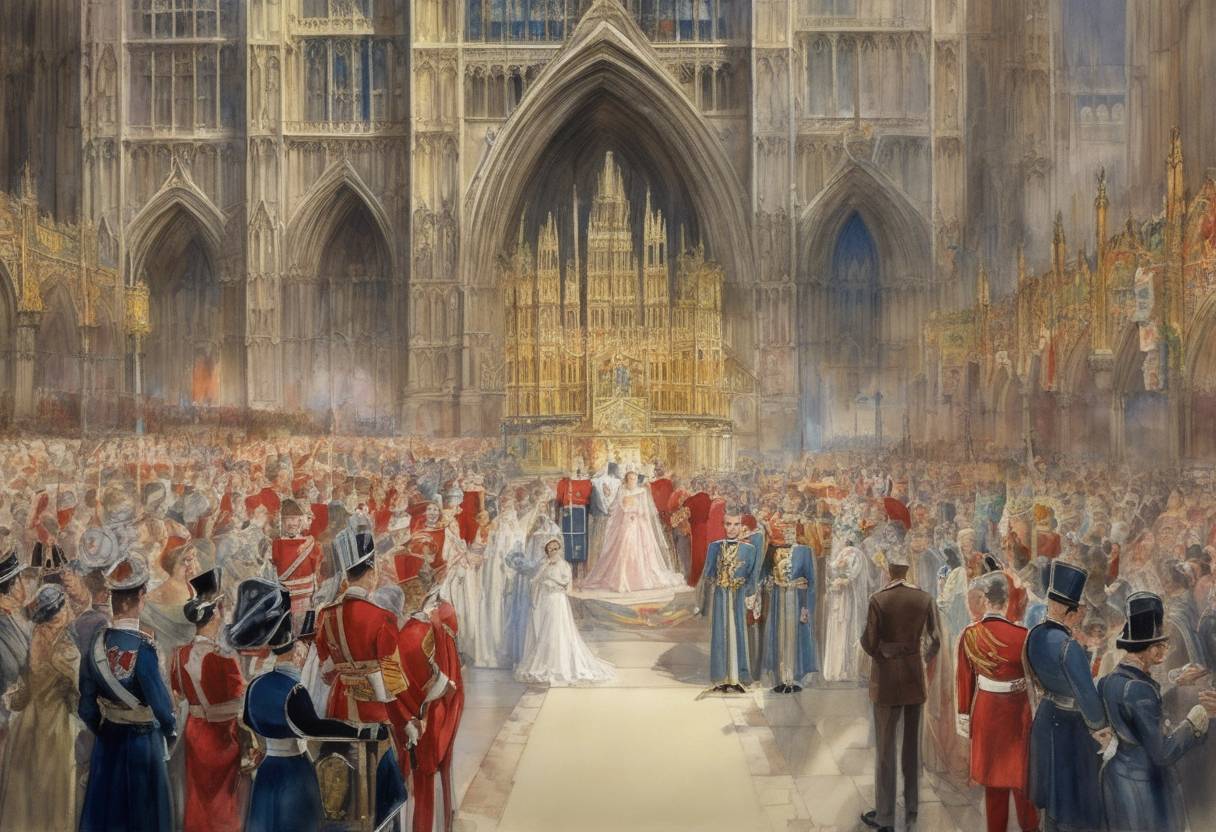
The coronation of King George VI and Queen Elizabeth marked a significant moment in British history, following the unexpected abdication of King Edward VIII. Edward VIII abdicated the throne on December 11, 1936, to marry Wallis Simpson, an American divorcée, which was deemed unacceptable by the Church of England and the British establishment. His abdication led to his younger brother, Albert, Duke of York, ascending the throne as King George VI.
The coronation took place at Westminster Abbey, a site with a rich history of royal ceremonies. The event was a traditional Anglican service, filled with pageantry and symbolism, reflecting the continuity and stability of the British monarchy.
The coronation of King George VI was not only a ceremonial event but also a moment of reassurance for the British public. The abdication crisis had shaken the monarchy, and George VI’s ascension was seen as a stabilizing force. Known for his dedication and sense of duty, King George VI would later become a symbol of resilience during World War II, alongside Queen Elizabeth, who became affectionately known as the “Queen Mother.”
King George VI’s reign lasted until his death in 1952, during which he navigated the challenges of World War II and the early years of the post-war period. His leadership during the war, particularly his decision to remain in London during the Blitz, earned him widespread respect and admiration.
Queen Elizabeth, as the Queen Mother, continued to be a beloved figure in British public life until her death in 2002. The legacy of their reign is marked by their commitment to duty and their role in modernizing the image of the British monarchy.
The coronation of King George VI and Queen Elizabeth remains a pivotal event in the history of the British monarchy, symbolizing both continuity and change during a turbulent period.
Source: en.wikipedia.org