The Apple Lisa: A Pioneering Moment in Computing History
1983 · Cupertino, United States
The Apple Lisa, the first personal computer to offer a graphical user interface, was announced by Apple Computer, Inc.
April 27, 1981
Xerox PARC introduced the computer mouse to the public, revolutionizing personal computing.
Palo Alto, United States | Xerox PARC
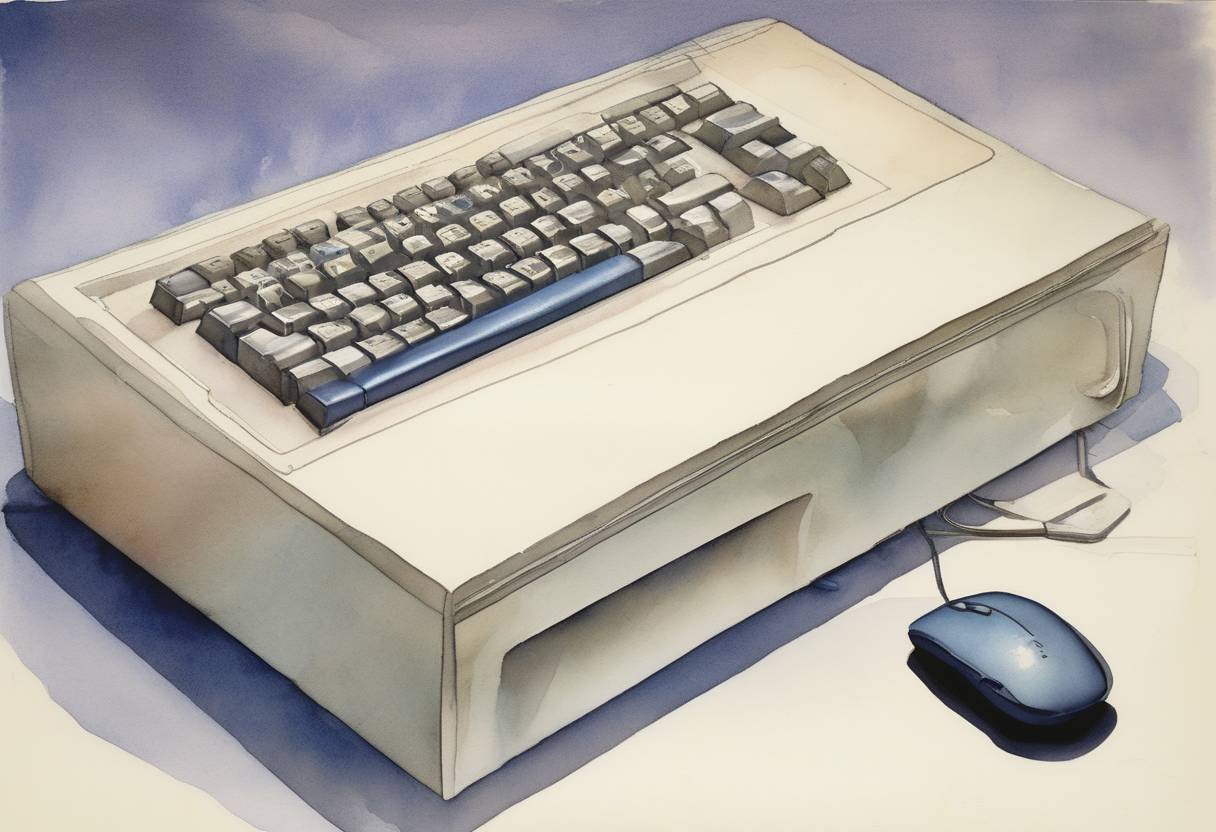
On April 27, 1981, Xerox PARC (Palo Alto Research Center Incorporated) introduced the computer mouse to the public, marking a pivotal moment in the evolution of personal computing. This innovation was part of the Xerox 8010 Star Information System, which was the first commercial personal computer designed for business professionals that incorporated a graphical user interface (GUI).
Xerox PARC: Established in 1970, Xerox PARC was a research and development company that played a crucial role in the development of many modern computing technologies. It was known for its pioneering work in the field of personal computing.
Development of the Mouse: The concept of the computer mouse was originally invented by Douglas Engelbart in the 1960s at the Stanford Research Institute. However, it was at Xerox PARC that the mouse was refined and integrated into a computing system that utilized a GUI, making it more user-friendly and accessible.
Graphical User Interface (GUI): The Star system was one of the first to use a GUI, allowing users to interact with the computer using visual icons and a pointing device (the mouse), rather than text-based commands.
Mouse: The mouse was a revolutionary input device that allowed users to navigate the GUI with ease. It had a single button and was used to point, click, and drag objects on the screen.
WYSIWYG (What You See Is What You Get): The Star system introduced the concept of WYSIWYG, where the display on the screen closely matched the printed output, enhancing the user experience.
Influence on Future Systems: Although the Xerox Star was not a commercial success due to its high cost and limited marketing, it laid the groundwork for future personal computing systems. The concepts developed at Xerox PARC, including the mouse and GUI, heavily influenced later systems like the Apple Macintosh and Microsoft Windows.
Revolutionizing User Interaction: The introduction of the mouse and GUI transformed how users interacted with computers, making them more accessible to non-technical users and paving the way for the widespread adoption of personal computers.
Legacy: The innovations from Xerox PARC, particularly the mouse and GUI, became standard components of personal computers. These technologies fundamentally changed the landscape of computing, leading to the development of user-friendly software and applications.
Continued Influence: The principles established by the Xerox Star system continue to influence modern computing interfaces, demonstrating the lasting impact of Xerox PARC’s innovations on the technology industry.
In summary, the introduction of the computer mouse by Xerox PARC on April 27, 1981, was a landmark event that revolutionized personal computing by making computers more intuitive and accessible to a broader audience.
Source: en.wikipedia.org