The Arab Spring Protests in Oman: January 5, 2011
2011 · Muscat, Oman
The Arab Spring protests began in Oman, marking the start of a series of demonstrations and uprisings across the Arab world.
January 15, 2011
The Arab Spring: Protests began in Oman, marking the start of the Omani protests, part of the wider Arab Spring movement.
Muscat, Oman | Omani protesters
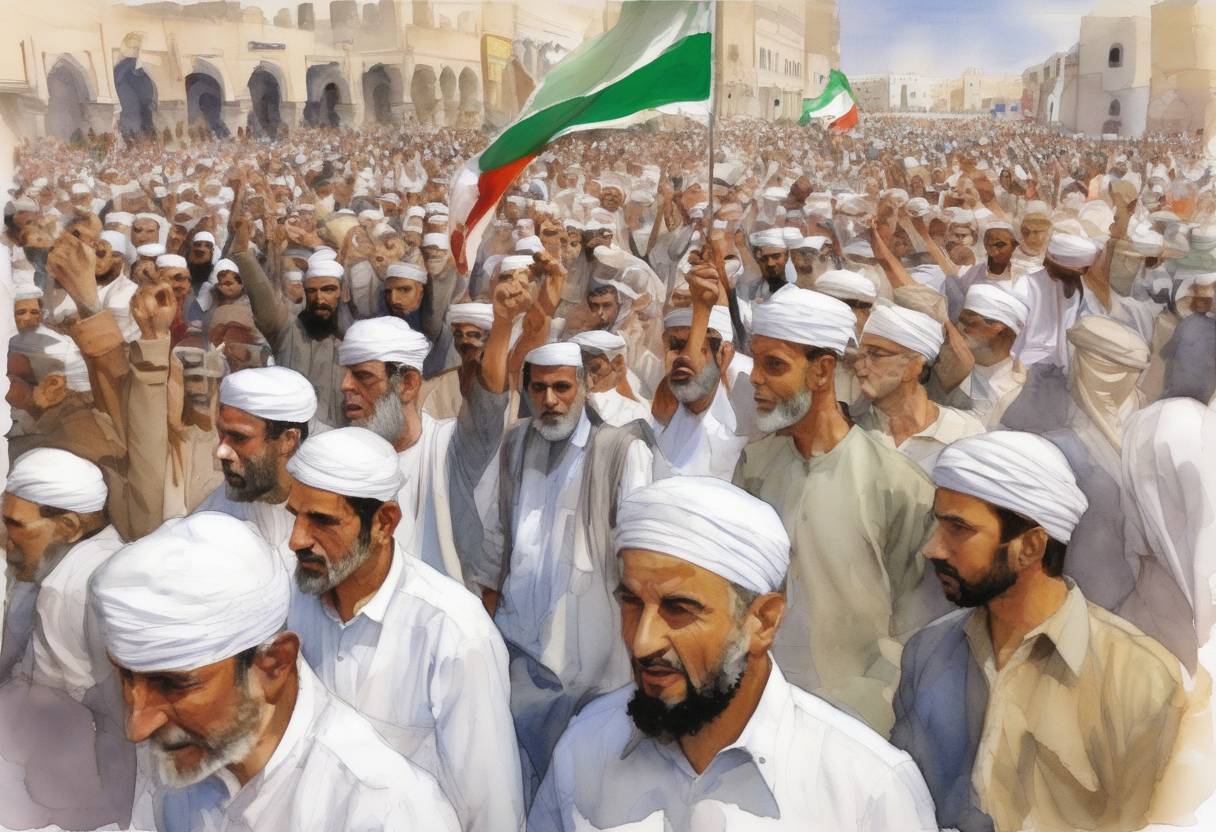
The Arab Spring was a series of anti-government protests, uprisings, and armed rebellions that spread across much of the Arab world in the early 2010s. It began in Tunisia in December 2010 and quickly spread to other countries, including Oman. On January 15, 2011, Oman witnessed the beginning of its own protests, marking its participation in this significant regional movement.
Regional Unrest: The Arab Spring was fueled by a combination of factors, including widespread dissatisfaction with authoritarian regimes, economic hardships, corruption, and a lack of political freedoms. The self-immolation of Mohamed Bouazizi in Tunisia in December 2010 acted as a catalyst for the movement.
Oman’s Political Landscape: Oman, under the rule of Sultan Qaboos bin Said since 1970, was considered relatively stable compared to its neighbors. However, there were underlying issues such as unemployment, economic inequality, and demands for political reform.
Protests Erupt: On January 15, 2011, protests began in the city of Sohar, one of Oman’s industrial hubs. Demonstrators called for economic reforms, job creation, and an end to corruption. Unlike the violent confrontations seen in other countries, the protests in Oman were initially peaceful.
Demands for Change: Protesters demanded higher wages, more job opportunities, and political reforms, including the expansion of the consultative council’s powers. The protests reflected a broader desire for increased political participation and transparency.
Concessions and Reforms: In response to the protests, Sultan Qaboos announced a series of reforms. These included reshuffling the cabinet, creating more public sector jobs, and increasing the minimum wage. The government also promised to grant more powers to the consultative council.
Security Measures: While the government initially responded with concessions, it also took measures to maintain order. Security forces were deployed to manage the protests, and there were reports of clashes between protesters and police in some instances.
Long-term Impact: The protests in Oman were relatively short-lived compared to other countries in the region. However, they led to significant changes in the country’s governance and economic policies. The government’s response was seen as a successful example of addressing public grievances without resorting to widespread violence.
Broader Arab Spring Movement: The Omani protests were part of the larger Arab Spring movement, which had varying outcomes across the region. While some countries experienced regime changes, others saw increased repression or ongoing conflict.
In summary, the protests that began in Oman on January 15, 2011, were a part of the wider Arab Spring movement, highlighting the universal demands for reform and better governance across the Arab world. The Omani government’s response, characterized by a mix of concessions and security measures, helped maintain stability in the country while addressing some of the protesters’ demands.
Source: en.wikipedia.org