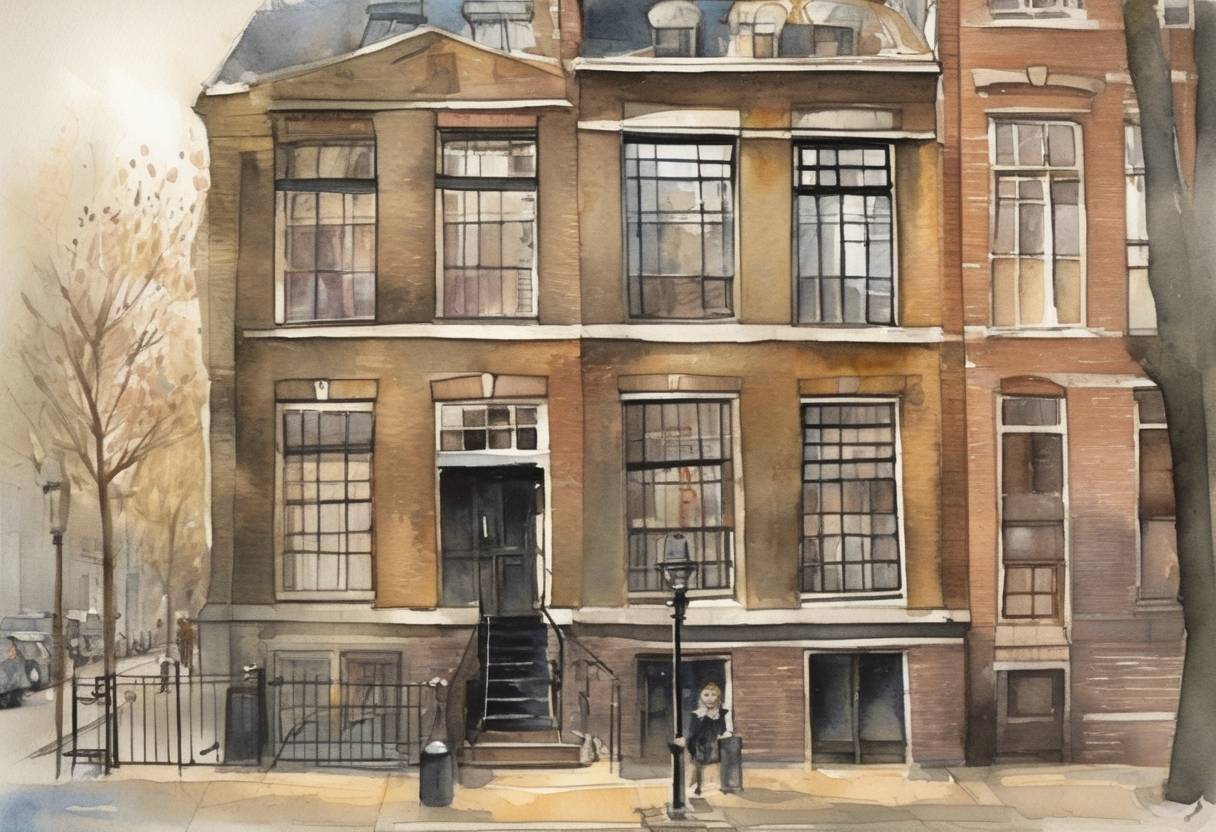
The Opening of The Anne Frank House Museum
Date: May 3, 1960
Background
The Anne Frank House, located at Prinsengracht 263 in Amsterdam, Netherlands, is a museum dedicated to the Jewish wartime diarist Anne Frank. Anne Frank and her family hid in the secret annex of this building during the Nazi occupation of the Netherlands in World War II. Her diary, written during her time in hiding, provides a poignant and personal account of the horrors faced by Jews during the Holocaust.
Historical Context
- Anne Frank’s Diary: Anne Frank began writing her diary on her 13th birthday, June 12, 1942. The Frank family, along with four other people, hid in the secret annex from July 6, 1942, until they were betrayed and arrested on August 4, 1944.
- Post-War: After the war, Anne’s father, Otto Frank, the only surviving member of the family, returned to Amsterdam and discovered Anne’s diary. He decided to fulfill her wish of becoming a writer by publishing her diary, which was first released in 1947.
The Museum’s Opening
- Preservation Efforts: The building where Anne Frank and her family hid was at risk of demolition in the 1950s. A campaign led by Otto Frank and supporters successfully preserved the site.
- Establishment: The Anne Frank House was officially opened as a museum on May 3, 1960. It was established to educate the public about Anne Frank’s life and the broader context of the Holocaust.
- Exhibits: The museum preserves the original hiding place and features exhibits about the life of Anne Frank, the history of the Holocaust, and the dangers of discrimination and persecution.
Significance
- Educational Role: The Anne Frank House serves as a powerful educational tool, attracting millions of visitors worldwide. It emphasizes the importance of tolerance, human rights, and the fight against anti-Semitism.
- Cultural Impact: Anne Frank’s diary has been translated into numerous languages and remains one of the most poignant accounts of life during the Holocaust. The museum helps keep her story alive and relevant for future generations.
Aftermath
- Continued Influence: The Anne Frank House continues to expand its educational programs and outreach efforts, using Anne’s story to promote understanding and empathy.
- Global Recognition: The museum is recognized globally as a symbol of the resilience of the human spirit and the importance of remembering the past to prevent future atrocities.
The Anne Frank House remains a testament to the enduring impact of Anne Frank’s life and writings, serving as a reminder of the consequences of hatred and the value of human dignity.