Nellie Bly Completes Her Round-the-World Journey in 72 Days
1890 · New York City, United States
Nellie Bly completes her round-the-world journey in 72 days, setting a world record.
December 21, 1913
The first crossword puzzle was published in the New York World, created by journalist Arthur Wynne, marking the beginning of a popular pastime.
New York City, United States | New York World
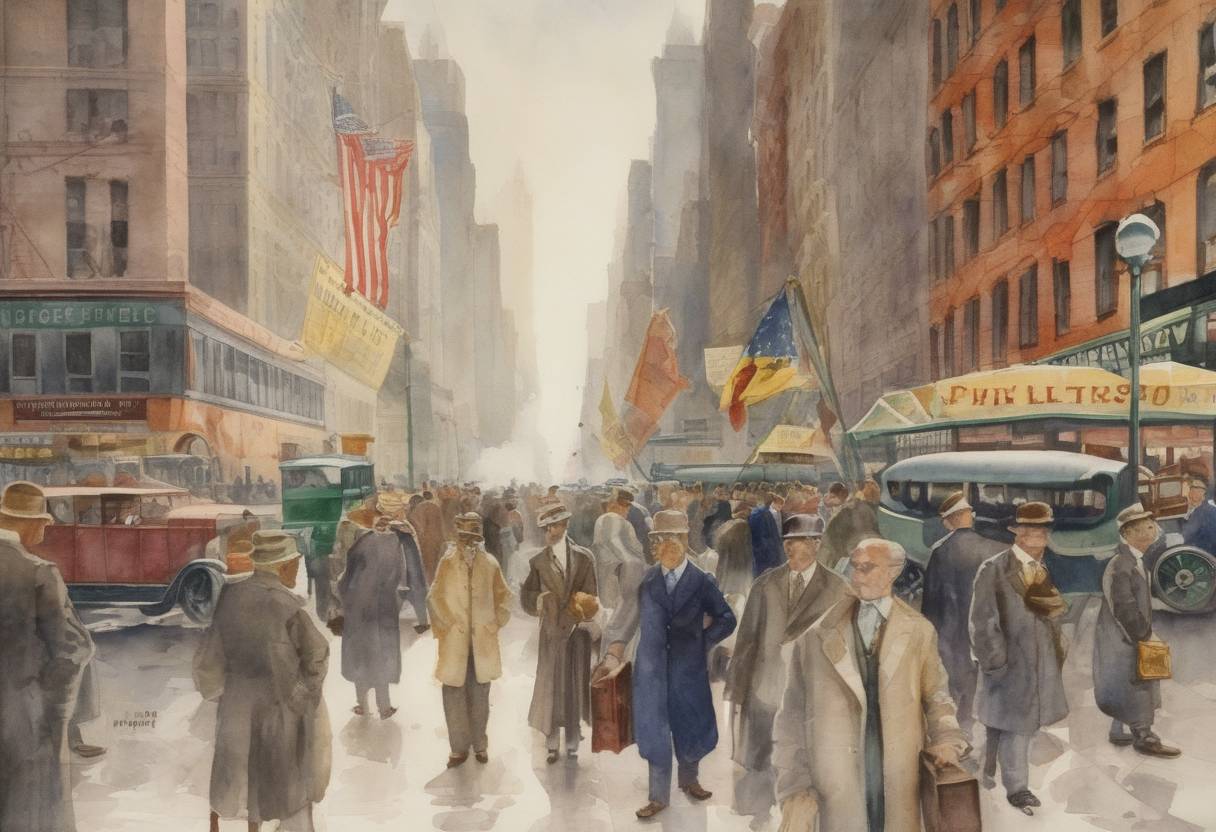
On December 21, 1913, the first modern crossword puzzle was published in the “New York World,” a newspaper based in New York City. This event marked the inception of a pastime that would grow into a beloved and enduring form of entertainment worldwide.
The crossword puzzle was created by Arthur Wynne, a British-born journalist who worked for the “New York World.” Wynne was tasked with creating a new word game for the newspaper’s “Fun” section, which was a Sunday feature designed to entertain readers with puzzles and games.
Wynne’s creation was initially called a “Word-Cross Puzzle.” It was diamond-shaped and contained a grid with numbered squares. The puzzle included a list of clues, each corresponding to a numbered space in the grid, where words were to be filled in horizontally and vertically. This format laid the groundwork for the standard crossword puzzles we are familiar with today.
The puzzle appeared in the December 21, 1913, edition of the “New York World.” It was an immediate success, capturing the interest of readers who enjoyed the challenge and novelty of the word game. The positive reception led to the regular inclusion of crossword puzzles in the newspaper, and their popularity quickly spread to other publications.
1920s Expansion: By the 1920s, crossword puzzles had become a widespread phenomenon in the United States. Other newspapers and magazines began to feature them, and they became a staple in many publications.
Crossword Books: The first collection of crossword puzzles was published in 1924 by Simon & Schuster, which further popularized the pastime. This book was a commercial success and led to the publication of many more crossword collections.
Cultural Significance: Crosswords have since become a significant cultural and intellectual pastime. They are known for their ability to challenge vocabulary, general knowledge, and problem-solving skills.
Digital Era: With the advent of digital technology, crossword puzzles have transitioned to online platforms and mobile apps, reaching a global audience and adapting to new formats.
The publication of the first crossword puzzle by Arthur Wynne in 1913 was a pivotal moment in the history of recreational word games. It not only introduced a new form of entertainment but also laid the foundation for a cultural phenomenon that continues to engage and challenge people around the world. Wynne’s innovative creation has become a timeless pastime, enjoyed by millions across generations.
Source: en.wikipedia.org