US Airways Flight 1549: The Miracle on the Hudson
2009 · New York City, United States
US Airways Flight 1549 made an emergency landing in the Hudson River after striking a flock of geese shortly after takeoff from LaGuardia Airport.
October 21, 2003
The final flight of the supersonic passenger airliner Concorde takes place from New York City to London Heathrow Airport, marking the end of an era in aviation history.
New York City, United States | British Airways
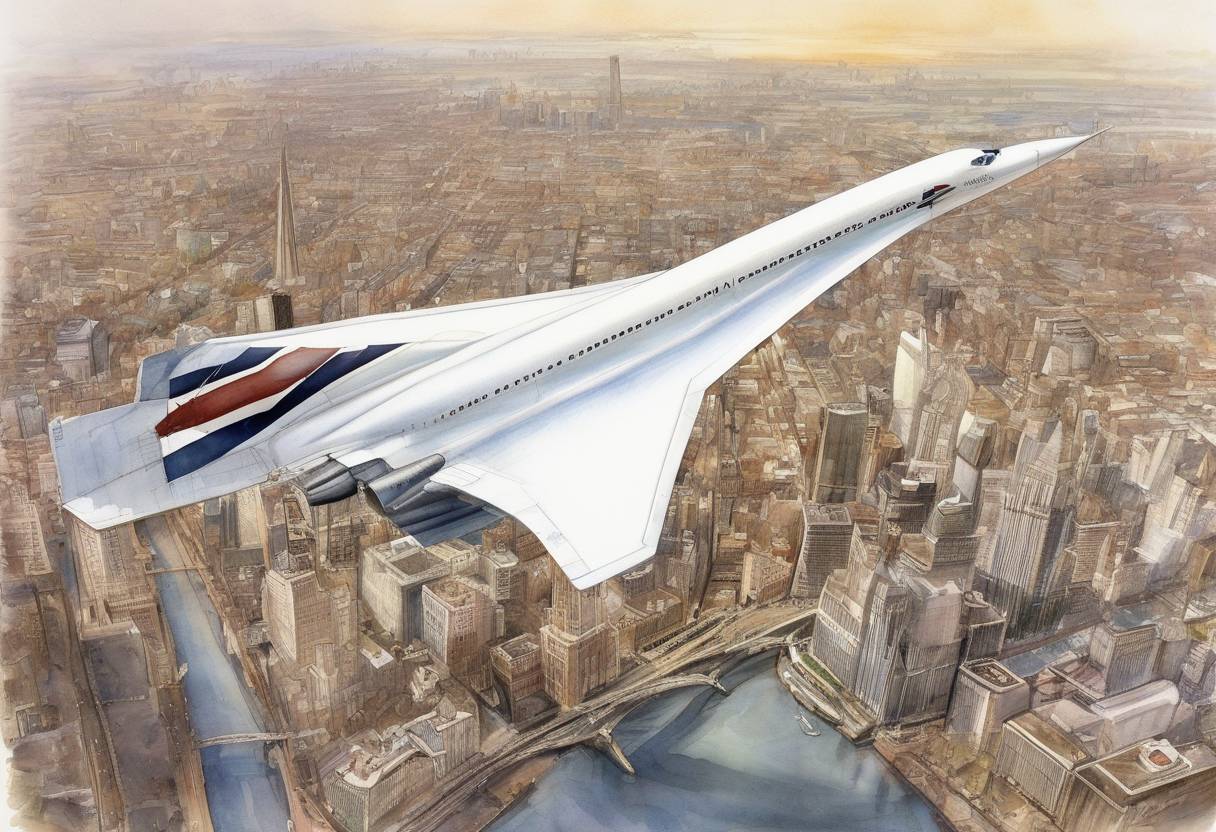
On October 21, 2003, the iconic supersonic passenger airliner, Concorde, made its final commercial flight from New York City’s John F. Kennedy International Airport to London Heathrow Airport. This event marked the end of an era in aviation history, closing a chapter on the age of supersonic commercial travel that had begun in the 1970s.
Concorde was a product of a joint venture between British Aircraft Corporation and Aérospatiale, representing a significant technological achievement in aviation. First flown in 1969 and entering service in 1976, Concorde was renowned for its ability to travel at speeds over Mach 2, more than twice the speed of sound. This capability allowed it to cut transatlantic flight times in half, making it a favorite among business travelers and celebrities.
Several factors contributed to the decision to retire Concorde:
Economic Viability: Operating Concorde was expensive, with high fuel consumption and maintenance costs. The aircraft’s profitability was further challenged by a limited passenger capacity of around 100 seats.
Safety Concerns: The tragic crash of Air France Flight 4590 in July 2000, which resulted in the loss of all passengers and crew, raised significant safety concerns. Although the fleet was temporarily grounded and modifications were made, public confidence was affected.
Changing Market Dynamics: The aviation industry was evolving, with newer, more fuel-efficient aircraft offering competitive alternatives. Additionally, the downturn in air travel following the September 11 attacks in 2001 impacted Concorde’s viability.
Environmental Impact: Concorde faced criticism for its environmental impact, including noise pollution and high emissions, which became increasingly important considerations in the early 21st century.
The final flight of Concorde, designated as British Airways Flight BA002, was a momentous occasion. The aircraft, with registration G-BOAG, departed from JFK Airport and landed at Heathrow Airport after a flight lasting approximately three and a half hours. The event was attended by aviation enthusiasts, media, and dignitaries, all eager to witness the historic moment.
The retirement of Concorde marked the end of commercial supersonic travel, as no other aircraft has since matched its speed and service. Concorde’s legacy endures as a symbol of technological ambition and luxury travel. Several Concorde aircraft are preserved in museums around the world, serving as a testament to this remarkable chapter in aviation history.
Concorde’s final flight remains a poignant reminder of the challenges and triumphs of supersonic travel, and its story continues to inspire discussions about the future possibilities of aviation technology.
Source: www.britishairways.com