The Reopening of the Leaning Tower of Pisa: December 15, 2001
2001 · Pisa, Italy
The Leaning Tower of Pisa reopened to the public after 11 years of stabilization work to prevent it from toppling over.
December 16, 2001
The Leaning Tower of Pisa reopened to the public after 11 years of stabilization work to prevent it from collapsing.
Pisa, Italy | Italian Government
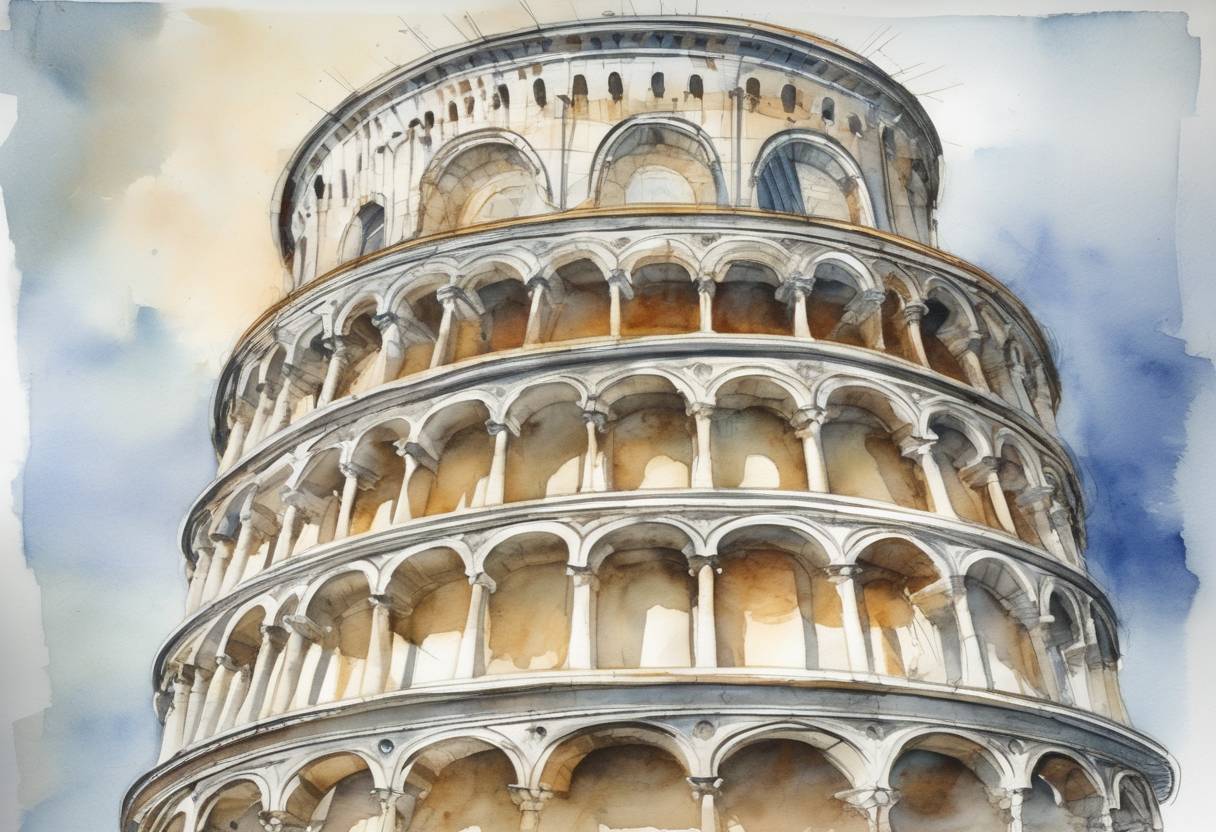
On December 16, 2001, the Leaning Tower of Pisa, one of Italy’s most iconic landmarks, reopened to the public after being closed for 11 years. This reopening marked the completion of extensive stabilization efforts aimed at preventing the tower from collapsing.
The Leaning Tower of Pisa, known as “Torre Pendente di Pisa” in Italian, is a freestanding bell tower of the cathedral in the city of Pisa, Italy. Construction of the tower began in 1173 and was completed in the 14th century. The tower is renowned for its unintended tilt, which began during its construction due to an inadequate foundation on soft ground.
Over the centuries, the tilt gradually increased, raising concerns about the tower’s stability and safety. By the late 20th century, the lean had reached a critical angle, prompting fears that the tower might collapse.
In 1990, the Leaning Tower of Pisa was closed to the public as engineers and conservationists embarked on a massive project to stabilize the structure. The primary goal was to reduce the tilt and ensure the tower’s long-term preservation without compromising its historical integrity.
Soil Extraction: Engineers removed soil from underneath the higher side of the tower, allowing it to settle back slightly and reduce the tilt.
Counterweights: Lead counterweights were temporarily placed on the north side of the tower to help stabilize it during the soil extraction process.
Anchoring: Steel cables were used to anchor the tower to the ground, providing additional support.
Monitoring: Advanced monitoring systems were installed to track the tower’s movements and ensure the effectiveness of the stabilization efforts.
The reopening of the Leaning Tower of Pisa in December 2001 was a momentous occasion, celebrated by locals and tourists alike. The stabilization project successfully reduced the tilt by about 17 inches (44 centimeters), bringing it back to its 19th-century position. Experts estimated that the tower would remain stable for at least another 300 years.
The reopening not only preserved a significant piece of architectural history but also revitalized tourism in Pisa, drawing visitors from around the world eager to witness the marvel of engineering and history.
The successful stabilization of the Leaning Tower of Pisa is a testament to the advancements in engineering and conservation techniques. It highlights the importance of preserving cultural heritage sites for future generations while balancing the need for safety and historical authenticity.
The project also served as a model for similar conservation efforts worldwide, demonstrating how modern technology can be employed to protect and maintain historical structures.
In conclusion, the reopening of the Leaning Tower of Pisa on December 16, 2001, marked the culmination of a significant preservation effort, ensuring that this architectural wonder continues to captivate and inspire people around the globe.
Source: www.britannica.com