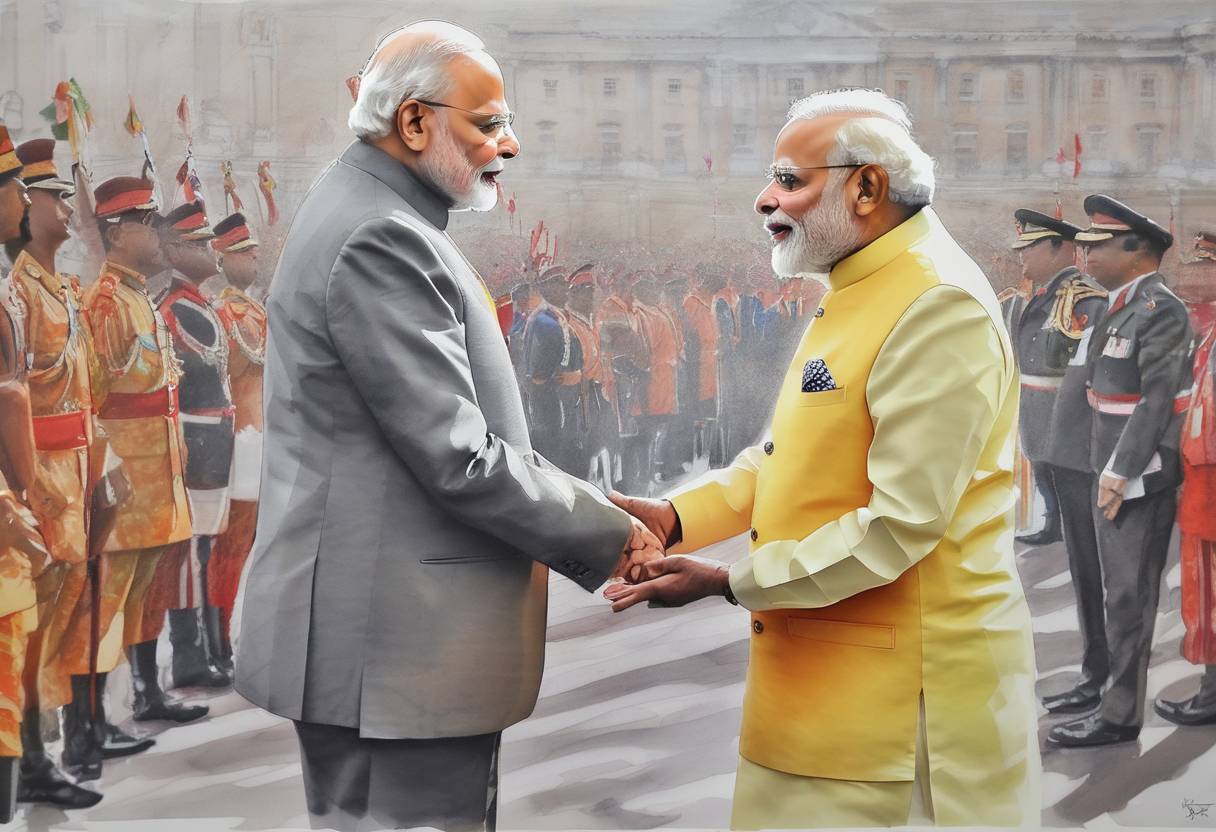
India-UK Agreements on November 11, 2015
On November 11, 2015, Indian Prime Minister Narendra Modi visited the United Kingdom, marking a significant moment in the bilateral relations between the two countries. During this visit, a series of agreements were signed to enhance economic and defense ties, reflecting a mutual interest in strengthening cooperation across various sectors.
Key Agreements and Areas of Cooperation
Economic and Financial Agreements
Infrastructure and Investment: The two nations agreed to collaborate on infrastructure development, with a focus on smart cities and urban transport. The UK pledged to invest in India’s infrastructure projects, supporting the development of sustainable urban environments.
Financial Services: Agreements were made to bolster financial ties, including the establishment of a rupee-denominated bond in London, known as “Masala Bonds,” aimed at attracting international investment into India.
Defense Cooperation
Defense Procurement and Manufacturing: The UK and India agreed to collaborate on defense procurement and manufacturing, emphasizing the “Make in India” initiative. This included potential joint ventures and technology transfers to enhance India’s defense capabilities.
Cyber Security and Counter-Terrorism: Both countries committed to working together on cyber security and counter-terrorism efforts, recognizing the growing importance of digital security in national defense strategies.
Nuclear Energy
- Civil Nuclear Cooperation: An agreement was reached to collaborate on civil nuclear energy, with the UK supporting India’s nuclear energy program. This included sharing expertise and technology to help India meet its growing energy needs sustainably.
Context and Significance
Historical Ties: The visit underscored the historical ties between India and the UK, rooted in a shared colonial past and a common language, while focusing on future-oriented partnerships.
Strategic Partnership: The agreements highlighted the strategic partnership between the two nations, aiming to leverage each other’s strengths in technology, finance, and defense.
Economic Growth: For India, these agreements were part of a broader strategy to attract foreign investment and technology to fuel its economic growth and modernization efforts.
Aftermath and Consequences
Enhanced Bilateral Relations: The visit and subsequent agreements marked a new phase in India-UK relations, characterized by increased economic and defense collaboration.
Global Positioning: For the UK, strengthening ties with India was part of a broader strategy to enhance its global influence, particularly in the context of emerging markets.
Long-term Collaborations: The agreements laid the groundwork for long-term collaborations in key sectors, contributing to both countries’ strategic and economic objectives.
In summary, Prime Minister Narendra Modi’s visit to the UK on November 11, 2015, was a pivotal moment in enhancing bilateral relations, with agreements that promised to foster economic growth, defense cooperation, and energy sustainability.