First Transatlantic Telegraph Cable Completed: August 5, 1858
1858 · Valentia Island, Ireland
First transatlantic telegraph cable successfully completed, enabling telecommunication between Europe and North America.
July 17, 1867
The first permanent transatlantic telegraph cable was successfully completed, allowing for faster communication between Europe and North America.
Valentia Island, Ireland | Atlantic Telegraph Company
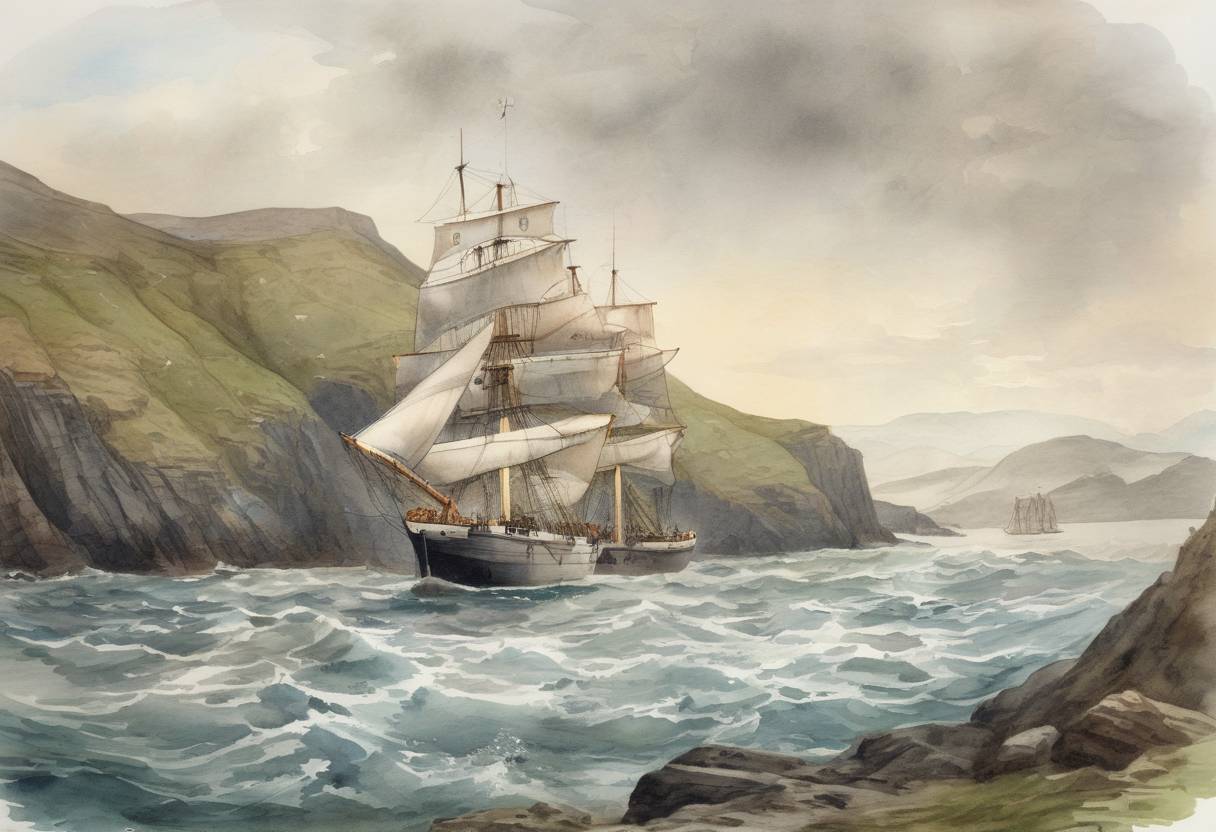
On July 17, 1867, a significant milestone in global communication was achieved with the successful completion of the first permanent transatlantic telegraph cable. This event marked a pivotal moment in the history of communication, drastically reducing the time it took to send messages between Europe and North America from weeks to mere minutes.
The idea of a transatlantic telegraph cable was first proposed in the mid-19th century, driven by the need for faster communication across the Atlantic Ocean. Prior to the cable, messages were sent by ship, which could take several weeks. The first attempt to lay a transatlantic cable was made in 1858, but it failed after only a few weeks of operation.
1858 Attempt: The first transatlantic telegraph cable was laid in 1858, connecting Ireland and Newfoundland. However, it ceased to function after just three weeks due to technical issues and the limitations of the materials used.
Technological Advancements: Following the failure of the 1858 cable, significant advancements were made in cable technology and materials. Improved insulation and more robust construction methods were developed, which were crucial for the success of future attempts.
Cyrus West Field: An American businessman and financier, Cyrus West Field, played a crucial role in the transatlantic cable project. He was instrumental in organizing and financing the efforts to lay the cable.
The successful completion of the transatlantic telegraph cable in 1867 was the result of meticulous planning and technological innovation. The cable was laid by the ship SS Great Eastern, which was the largest ship of its time and capable of carrying the massive length of cable required.
Route: The cable connected Valentia Island in Ireland to Heart’s Content in Newfoundland, Canada, spanning approximately 1,686 nautical miles (about 3,124 kilometers).
Impact: The cable allowed for almost instantaneous communication between Europe and North America, revolutionizing international business, diplomacy, and journalism. It paved the way for the global communication network we rely on today.
The successful operation of the 1867 transatlantic telegraph cable marked the beginning of a new era in global communication. It demonstrated the feasibility of long-distance telegraphy and inspired further developments in communication technology.
Economic Impact: The cable facilitated faster business transactions and economic exchanges between continents, contributing to the growth of international trade.
Political and Social Impact: Governments could communicate more efficiently, and news could be reported more quickly, influencing public opinion and international relations.
The completion of the first permanent transatlantic telegraph cable was a landmark achievement that underscored the importance of technological innovation in bridging geographical distances and connecting the world.
Source: en.wikipedia.org