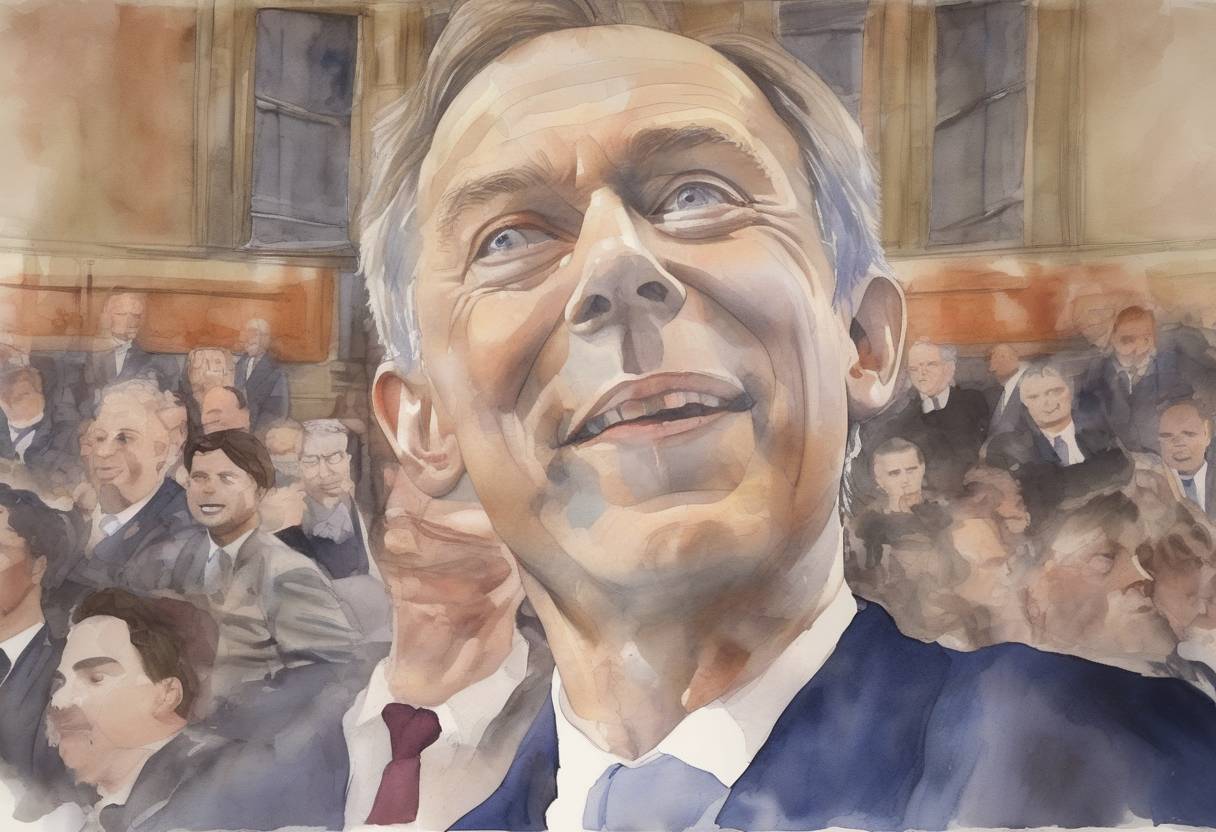
Tony Blair’s Labour Party Wins Second Term - June 8, 2001
On June 8, 2001, the Labour Party, led by Prime Minister Tony Blair, secured a decisive victory in the United Kingdom general election, winning a second consecutive term in office. This election was significant for several reasons, marking a continuation of Labour’s dominance in British politics and further solidifying Blair’s leadership.
Context Leading Up to the Election
- First Term Achievements: Tony Blair’s first term, beginning in 1997, was marked by significant reforms and policies, including the introduction of the minimum wage, devolution for Scotland and Wales, and substantial investments in health and education.
- Economic Climate: The UK economy was relatively stable, with low unemployment and inflation rates, contributing to a favorable view of the incumbent government.
- Public Sentiment: Labour’s focus on modernization and centrist policies appealed to a broad spectrum of voters, maintaining its popularity across traditional Labour strongholds and attracting new supporters.
Key Events of the 2001 Election
- Campaign Strategy: Labour’s campaign emphasized its achievements over the previous four years and promised continued investment in public services. The slogan “Ambitions for Britain” encapsulated their forward-looking agenda.
- Conservative Opposition: The Conservative Party, led by William Hague, struggled to gain traction with voters. Their campaign focused on issues like tax cuts and Euroscepticism but failed to resonate widely.
- Liberal Democrats: Under Charles Kennedy, the Liberal Democrats campaigned on issues such as education and health, gaining some ground but not enough to challenge Labour’s dominance.
Election Results
- Labour Victory: Labour won 413 seats out of 659 in the House of Commons, securing a majority of 167 seats. This was a slight decrease from their 1997 landslide but still represented a commanding lead.
- Conservative Performance: The Conservatives won 166 seats, a modest gain from their previous total but insufficient to pose a serious challenge to Labour.
- Liberal Democrats: The Liberal Democrats increased their representation to 52 seats, reflecting a growing but limited influence.
Aftermath and Historical Significance
- Continued Reforms: Blair’s second term saw continued focus on public service reform, foreign policy initiatives, and the controversial decision to support the United States in the Iraq War.
- Political Landscape: The 2001 election reinforced the shift in British politics towards the center, with Labour maintaining its appeal across a diverse electorate.
- Legacy: Blair’s leadership during this period is often credited with modernizing the Labour Party and reshaping the UK’s political landscape, though it also faced criticism for certain policy decisions, particularly in foreign affairs.
Overall, the 2001 general election was a pivotal moment in UK history, underscoring Labour’s political strength and setting the stage for significant domestic and international developments in the years that followed.