End of the Iraq War: December 15, 2011
2011 · Baghdad, Iraq
The United States formally declared an end to the Iraq War, with a ceremony in Baghdad marking the withdrawal of the last U.S. troops.
December 31, 2011
The United States formally ended its military mission in Iraq, marking the withdrawal of the last U.S. troops from the country after nearly nine years of conflict.
Baghdad, Iraq | United States Department of Defense
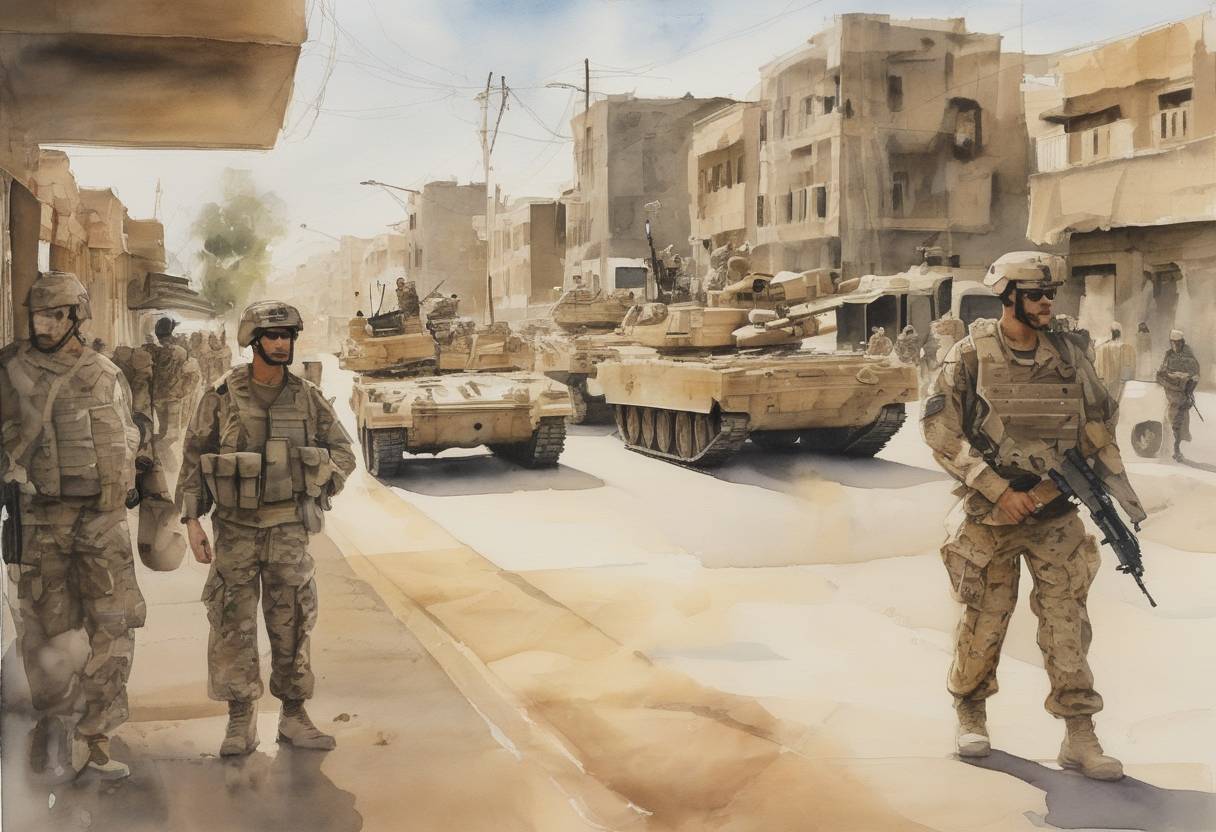
On December 31, 2011, the United States formally concluded its military mission in Iraq, marking the withdrawal of the last U.S. troops from the country. This event signified the end of nearly nine years of military involvement following the 2003 invasion that led to the toppling of Saddam Hussein’s regime.
Invasion of Iraq (2003): The U.S.-led invasion began on March 20, 2003, under the premise of dismantling Iraq’s alleged weapons of mass destruction (WMDs) and ending Saddam Hussein’s support for terrorism. Despite the absence of WMDs, the invasion resulted in the swift overthrow of Hussein’s government.
Occupation and Insurgency: Following the initial military success, the U.S. faced a protracted insurgency, sectarian violence, and the challenge of rebuilding Iraq’s political infrastructure. The conflict saw significant loss of life and resources, with both military personnel and Iraqi civilians affected.
The Surge (2007): In response to escalating violence, President George W. Bush announced a “surge” of additional U.S. troops in 2007, which aimed to stabilize the country and reduce sectarian conflict. This strategy was credited with improving security conditions temporarily.
Status of Forces Agreement (2008): In November 2008, the U.S. and Iraq signed a Status of Forces Agreement (SOFA), which set a deadline for the withdrawal of U.S. troops by the end of 2011. This agreement was pivotal in shaping the timeline for the eventual drawdown of forces.
Obama Administration’s Role: President Barack Obama, who campaigned on ending the war in Iraq, adhered to the SOFA timeline. The administration focused on transitioning security responsibilities to Iraqi forces and reducing the U.S. military footprint.
Final Troop Withdrawal: By December 2011, the last convoy of U.S. troops crossed the border into Kuwait, effectively ending the U.S. military presence in Iraq. This withdrawal was a significant milestone in U.S. foreign policy and military history.
Iraq’s Political Landscape: The withdrawal left Iraq to navigate its own political future. The country faced ongoing challenges, including sectarian tensions, political instability, and the rise of extremist groups like ISIS in subsequent years.
U.S. Foreign Policy: The end of the military mission in Iraq influenced U.S. foreign policy, prompting debates about military intervention, nation-building, and the long-term impacts of the Iraq War on regional stability.
Veterans and Legacy: The war had lasting effects on U.S. veterans and their families, with issues such as PTSD and reintegration into civilian life becoming prominent concerns. The legacy of the Iraq War continues to shape discussions on military engagements and veterans’ affairs.
The formal end of the U.S. military mission in Iraq on December 31, 2011, marked a significant chapter in both American and Iraqi history, with enduring implications for international relations and domestic policy.
Source: www.defense.gov