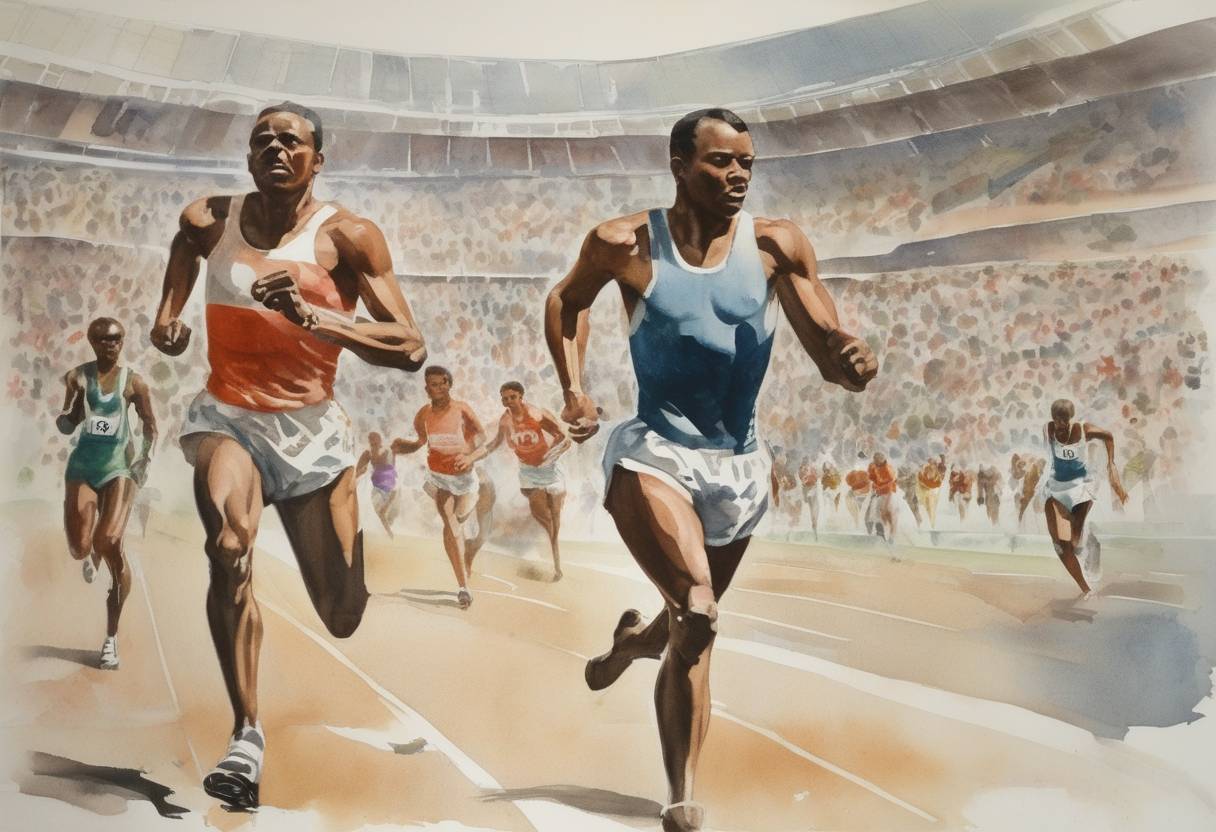
South Africa’s Ban from the Olympic Games on August 12, 1964
On August 12, 1964, the International Olympic Committee (IOC) made a landmark decision to ban South Africa from participating in the Olympic Games. This decision was a direct response to the country’s apartheid policies, which enforced racial segregation and discrimination. The ban marked a significant moment in the international sports community’s stance against racial injustice and highlighted the growing global opposition to apartheid.
Context Leading to the Ban
Apartheid Policies: Introduced in 1948 by the National Party, apartheid was a system of institutionalized racial segregation and discrimination in South Africa. It classified the population into racial groups and severely restricted the rights of the non-white majority.
International Pressure: By the early 1960s, there was increasing international condemnation of apartheid. Many countries and organizations began to isolate South Africa diplomatically and economically.
Sports and Apartheid: South Africa’s racial policies extended into sports, where teams were selected based on race. This exclusionary practice was contrary to the Olympic Charter, which promotes equality and non-discrimination.
Key Events Leading to the Ban
1960 Rome Olympics: South Africa participated in the 1960 Olympics, but there was growing unease about its racial policies.
1963 IOC Meeting: The IOC demanded that South Africa comply with the Olympic Charter and select athletes without racial discrimination. South Africa failed to meet these demands.
1964 Tokyo Olympics: As the Tokyo Games approached, the IOC faced mounting pressure from African nations and other countries to take a stand against apartheid.
The Ban
- On August 12, 1964, the IOC officially banned South Africa from the Tokyo Olympics. This decision was based on South Africa’s refusal to abandon its racially discriminatory selection policies for its Olympic team.
Aftermath and Consequences
Extended Ban: The ban remained in place for several decades. South Africa was excluded from the Olympics until the 1992 Barcelona Games, following the dismantling of apartheid and the establishment of a new, non-racial sports policy.
Global Impact: The ban was a significant victory for the anti-apartheid movement and set a precedent for using sports as a platform for social change. It demonstrated the power of international solidarity in the fight against racial discrimination.
Legacy: The decision underscored the role of sports in promoting equality and human rights, influencing future actions against countries with discriminatory policies.
In summary, the IOC’s decision on August 12, 1964, to ban South Africa from the Olympics was a pivotal moment in the global struggle against apartheid. It highlighted the intersection of sports and politics and reinforced the Olympic movement’s commitment to inclusivity and equality.