Acquittal of President Donald Trump: February 6, 2020
2020 · Washington D.C., United States
The United States Senate acquitted President Donald Trump on charges of abuse of power and obstruction of Congress, concluding the impeachment trial.
December 18, 2019
The United States House of Representatives impeached President Donald Trump on charges of abuse of power and obstruction of Congress, making him the third U.S. president to be impeached.
Washington, D.C., United States | United States House of Representatives
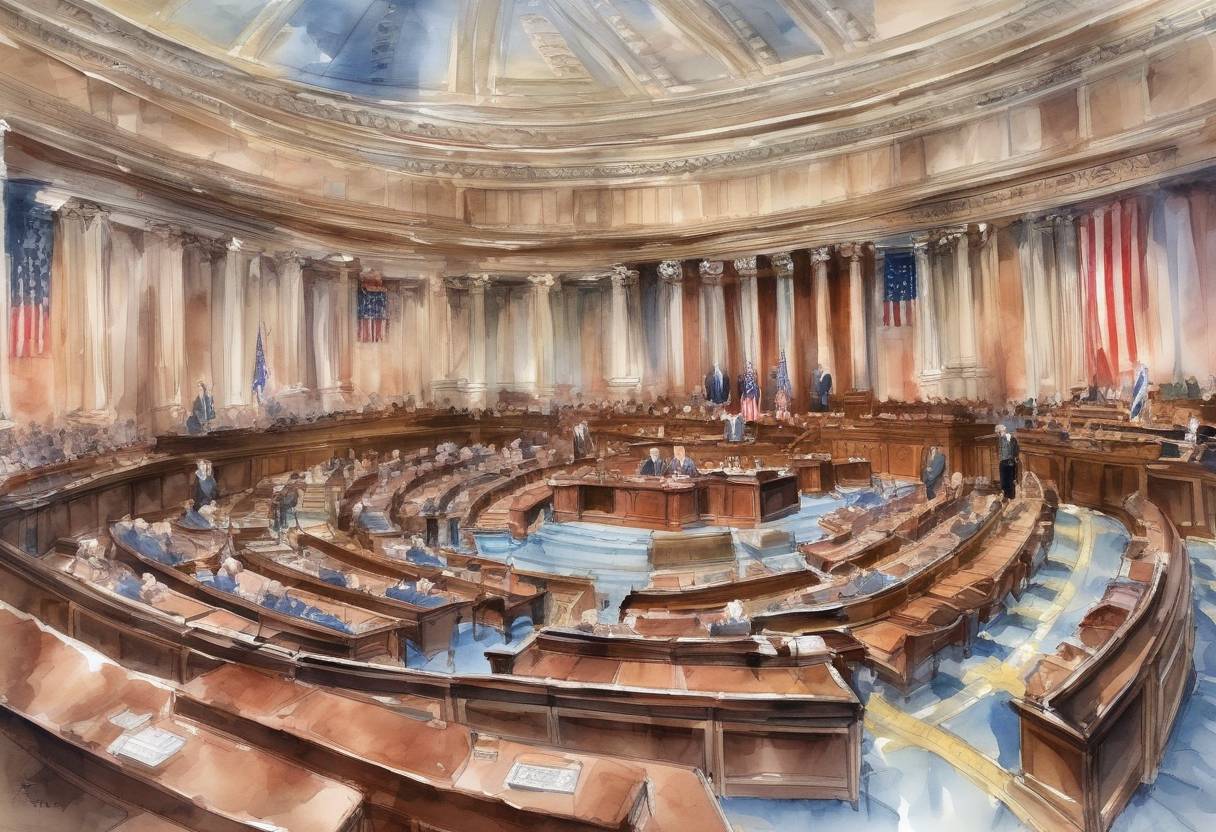
On December 18, 2019, the United States House of Representatives voted to impeach President Donald J. Trump, marking a significant moment in American political history. This event made Trump the third U.S. president to be impeached, following Andrew Johnson in 1868 and Bill Clinton in 1998.
The impeachment was based on two articles:
Abuse of Power: This charge stemmed from allegations that President Trump solicited foreign interference in the 2020 U.S. presidential election. Specifically, it was alleged that he pressured Ukraine to investigate Joe Biden, a political rival, and his son, Hunter Biden. The House argued that Trump withheld military aid and a White House meeting to coerce Ukraine into announcing the investigation.
Obstruction of Congress: This charge was related to President Trump’s refusal to cooperate with the House’s impeachment inquiry. The administration was accused of directing officials not to comply with subpoenas for documents and testimony.
Background: The impeachment inquiry was initiated following a whistleblower complaint regarding a phone call on July 25, 2019, between President Trump and Ukrainian President Volodymyr Zelensky. The call raised concerns about Trump leveraging his office for personal political gain.
House Inquiry: The House of Representatives, led by Speaker Nancy Pelosi and the Democratic majority, conducted an investigation through various committees. Public hearings were held, featuring testimonies from diplomats and officials.
Vote: The House voted largely along party lines. The article on abuse of power passed with a vote of 230-197, and the article on obstruction of Congress passed with a vote of 229-198. No Republicans voted in favor of the articles, while a few Democrats voted against them.
Senate Trial: Following the impeachment by the House, the process moved to the Senate for a trial. On February 5, 2020, the Senate acquitted President Trump on both charges. The vote was largely partisan, with only one Republican senator, Mitt Romney, voting to convict on the abuse of power charge.
Historical Significance: The impeachment underscored deep political divisions in the United States and highlighted issues related to executive power and accountability. It also set the stage for the 2020 presidential election, influencing public discourse and political strategies.
The impeachment of President Trump was a pivotal event in U.S. history, reflecting ongoing debates about the limits of presidential authority and the mechanisms of checks and balances within the American political system. It also demonstrated the role of partisanship in contemporary governance and the challenges of addressing allegations of misconduct at the highest levels of government.
Source: www.nytimes.com