Capture of Calcutta by the British, January 2, 1757
1757 · Calcutta, India
The British army captures the city of Calcutta in India from the Nawab of Bengal after the recapture following the Siege of Calcutta.
December 4, 1829
In the face of mounting opposition, British Governor-General Lord William Bentinck issues a regulation declaring that all who abet suttee in India are guilty of culpable homicide.
Calcutta, India | British East India Company
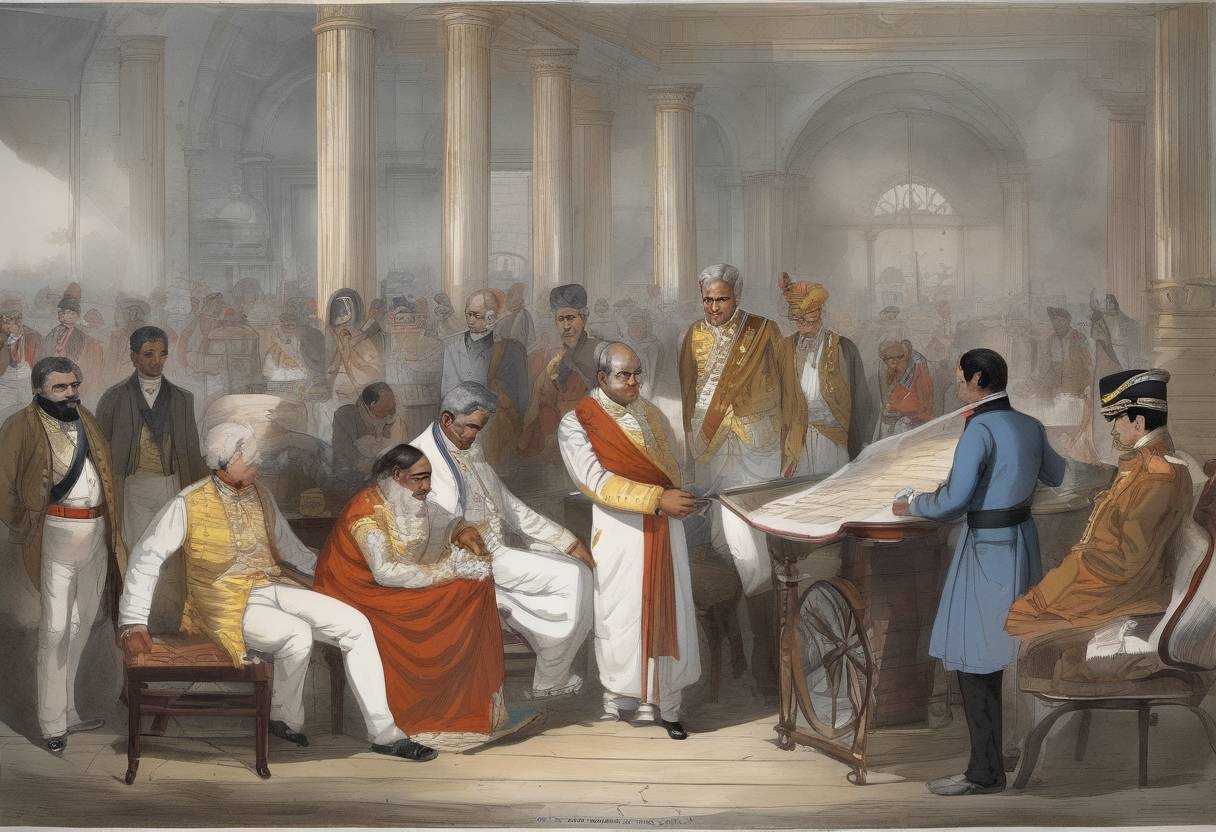
On December 4, 1829, a significant and progressive regulation was enacted by the British Governor-General of India, Lord William Bentinck, which declared that all individuals who abetted the practice of sati (also spelled “suttee”) would be guilty of culpable homicide. This regulation marked a pivotal moment in the colonial administration’s efforts to reform social practices in India.
Sati Practice: Sati was a traditional Hindu funeral custom where a widow would immolate herself on her husband’s funeral pyre. While it was not universally practiced across India, it was prevalent in certain regions and communities, often seen as an act of devotion and honor.
Colonial Concerns: The British colonial administration, influenced by humanitarian concerns and the growing abolitionist sentiment in Britain, viewed sati as a barbaric practice. The practice had also drawn criticism from Indian reformers like Raja Ram Mohan Roy, who campaigned against it.
Raja Ram Mohan Roy: A prominent social and religious reformer, Roy was instrumental in advocating for the abolition of sati. He argued that the practice was not sanctioned by Hindu scriptures and was a social evil that needed to be eradicated.
Lord William Bentinck: Appointed as Governor-General of India in 1828, Bentinck was known for his reformist zeal. He was determined to address social issues and improve the administration of British India.
The Regulation: On December 4, 1829, Bentinck issued a regulation that made the practice of sati illegal in the Bengal Presidency. The regulation stipulated that anyone who abetted or assisted in the act of sati would be charged with culpable homicide, effectively criminalizing the practice.
Legal Framework: The regulation was framed under the Bengal Sati Regulation, XVII of 1829. It was a landmark legal document that laid the groundwork for further reforms in other parts of India.
Resistance and Support: The regulation faced opposition from orthodox Hindu communities who viewed it as an interference in religious practices. However, it also received support from Indian reformers and progressive elements within society.
Spread of the Ban: Following the success in Bengal, the ban on sati was gradually extended to other parts of British India, including the Madras and Bombay Presidencies.
Legacy: The abolition of sati is considered a significant step in the modernization and reform of Indian society during the colonial period. It highlighted the role of both Indian reformers and the colonial administration in addressing social issues.
Cultural Impact: The regulation set a precedent for future social reforms and underscored the importance of legal intervention in eradicating harmful practices. It also sparked debates on the role of colonial powers in reforming indigenous customs.
In summary, the regulation issued by Lord William Bentinck on December 4, 1829, was a crucial development in the history of social reform in India. It not only marked the beginning of the end for the practice of sati but also demonstrated the complex interplay between colonial authority and indigenous reform movements.
Source: en.wikipedia.org