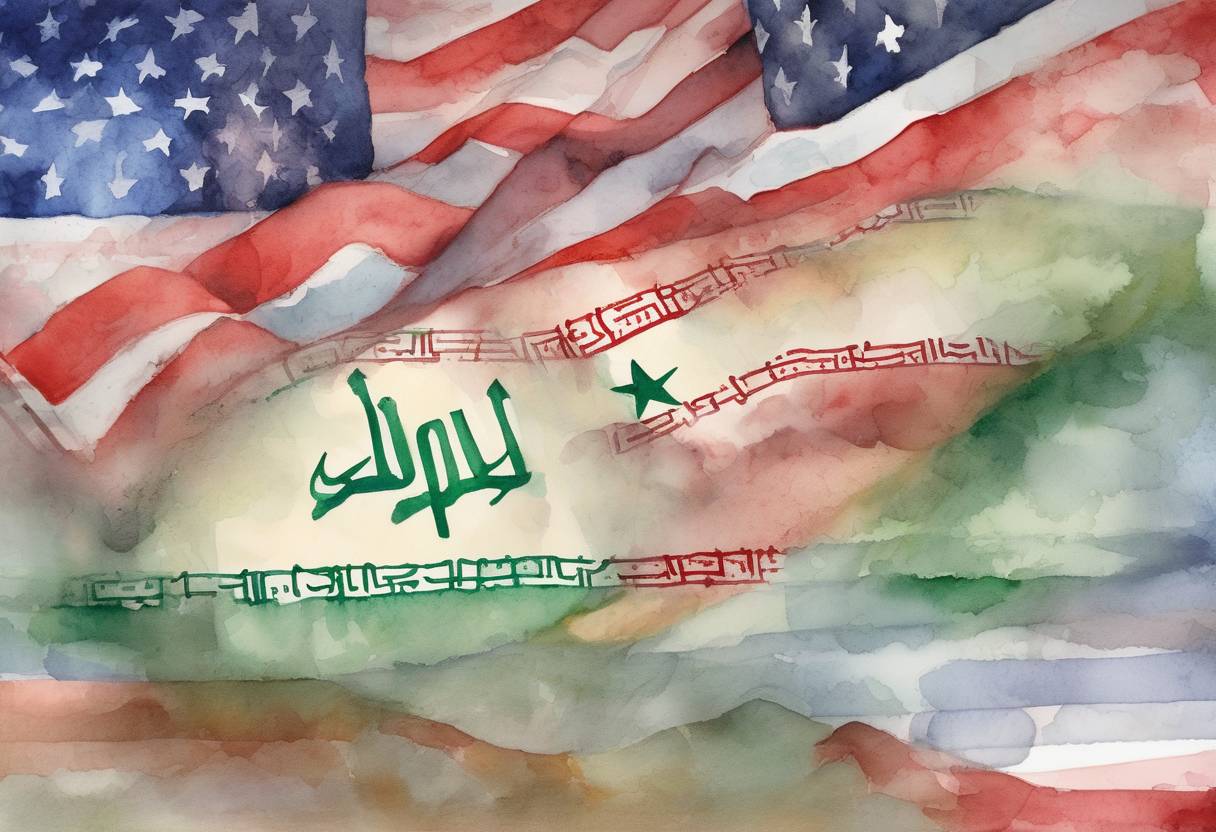
Re-imposition of U.S. Sanctions on Iran - November 1, 2018
On November 1, 2018, the United States re-imposed a series of sanctions on Iran that had previously been lifted under the Joint Comprehensive Plan of Action (JCPOA), commonly known as the 2015 Iran nuclear deal. This action followed the U.S. withdrawal from the agreement earlier in the year, announced by President Donald Trump on May 8, 2018. The re-imposition of sanctions marked a significant shift in U.S. foreign policy and had wide-ranging implications for international relations and global markets.
Background
The JCPOA Agreement (2015): The JCPOA was a landmark agreement reached between Iran and the P5+1 group (the United States, the United Kingdom, France, Russia, China, and Germany) aimed at curbing Iran’s nuclear program in exchange for the lifting of economic sanctions. The deal was designed to ensure that Iran’s nuclear program would be exclusively peaceful.
U.S. Withdrawal (May 2018): President Trump criticized the JCPOA as flawed, arguing it did not address Iran’s ballistic missile program or its influence in the Middle East. On May 8, 2018, he announced the U.S. withdrawal from the agreement and the reinstatement of sanctions.
Key Events on November 1, 2018
Sanctions Re-imposed: The sanctions targeted critical sectors of Iran’s economy, including its oil exports, banking, and shipping industries. These measures were intended to exert maximum economic pressure on Iran to renegotiate the nuclear deal and address other U.S. concerns.
Global Oil Markets: The re-imposition of sanctions had a significant impact on global oil markets. Iran, a major oil producer, faced restrictions on its ability to sell oil internationally, leading to concerns about reduced supply and increased oil prices.
International Reactions: The move was met with criticism from other JCPOA signatories and allies who remained committed to the agreement. They expressed concerns about the potential destabilizing effects on the region and the global economy.
Consequences and Aftermath
Increased Tensions: The sanctions heightened tensions between the U.S. and Iran, leading to a series of confrontations in the following years, including military incidents in the Persian Gulf.
Economic Impact on Iran: The sanctions severely impacted Iran’s economy, leading to a significant reduction in oil exports, inflation, and economic hardship for the Iranian population.
Diplomatic Efforts: Despite the U.S. withdrawal, European countries and other signatories attempted to salvage the JCPOA through diplomatic efforts and mechanisms to bypass U.S. sanctions, such as the Instrument in Support of Trade Exchanges (INSTEX).
Long-term Implications: The re-imposition of sanctions and the U.S. withdrawal from the JCPOA have had lasting effects on U.S.-Iran relations and the broader geopolitical landscape in the Middle East.
The re-imposition of sanctions on November 1, 2018, was a pivotal moment in U.S.-Iran relations, reflecting broader shifts in U.S. foreign policy under the Trump administration and contributing to ongoing regional and global tensions.