James Knox Polk: The First Sitting U.S. President Photographed
On February 14, 1849, James Knox Polk, the 11th President of the United States, became the first sitting president to have his photograph taken. This event marked a significant moment in both the history of photography and the presidency, illustrating the growing influence of technological advancements on public life and politics.
Context and Background
James K. Polk’s Presidency (1845-1849): Polk served as president during a transformative period in American history, known for his expansionist policies, including the annexation of Texas, the Oregon Treaty, and the Mexican-American War, which led to significant territorial gains for the United States.
Photography in the 19th Century: The invention of the daguerreotype in 1839 by Louis Daguerre revolutionized the way images were captured, allowing for the first time the creation of detailed and permanent photographs. By the mid-1840s, photography had begun to gain popularity in the United States.
The Event
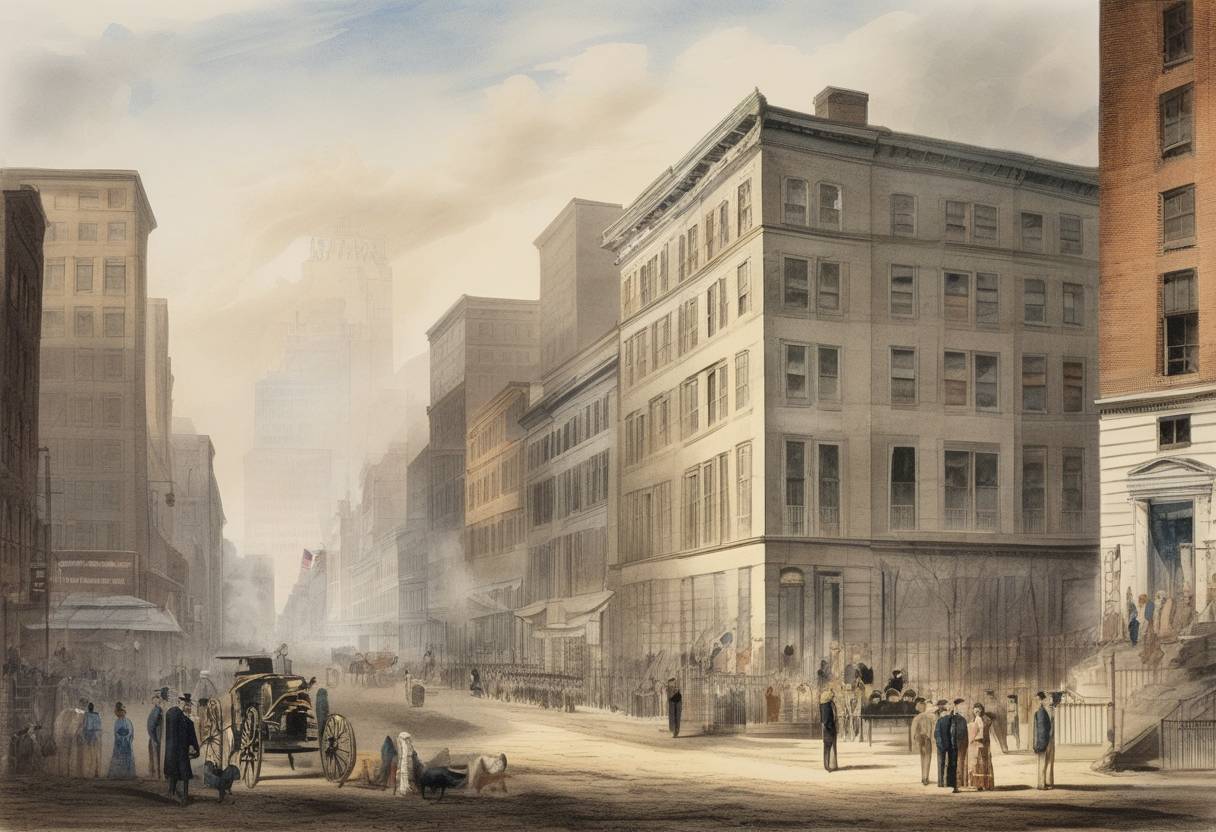
Location: The photograph was taken in New York City, a hub of cultural and technological innovation during the 19th century.
Photographic Process: The daguerreotype process was used to capture Polk’s image. This method involved exposing a silver-coated copper plate to light, creating a highly detailed image. The process required the subject to remain still for several minutes to ensure clarity.
Significance
Historical Impact: Polk’s photograph set a precedent for future presidents, highlighting the role of photography in documenting and shaping public perceptions of political figures. It marked the beginning of a new era where visual media became integral to political communication.
Cultural Influence: The photograph of Polk symbolized the merging of technology and politics, reflecting broader societal changes as America moved towards modernization and industrialization.
Aftermath
Legacy of Presidential Photography: Following Polk, photography became a standard practice for documenting presidents, with each subsequent leader leaving behind a visual legacy. This tradition has continued into the modern era, evolving with advancements in photographic technology.
Preservation of History: The photograph of Polk serves as an important historical artifact, providing insight into the early days of photography and its impact on American culture and politics.
In summary, the photograph of James K. Polk on February 14, 1849, represents a milestone in the intersection of technology and politics, setting the stage for the visual documentation of American presidents and influencing how leaders are perceived by the public.