Syrian Civil War Death Toll Surpasses 191,000 - August 26, 2014
2014 · Damascus, Syria
The United Nations reported that the death toll from the Syrian Civil War had surpassed 191,000 people, highlighting the severe humanitarian crisis in the region.
September 2, 2013
The United Nations released a report on the use of chemical weapons in Syria, confirming the use of sarin gas in the Ghouta area near Damascus. This event intensified international debate over military intervention in Syria.
Damascus, Syria | United Nations
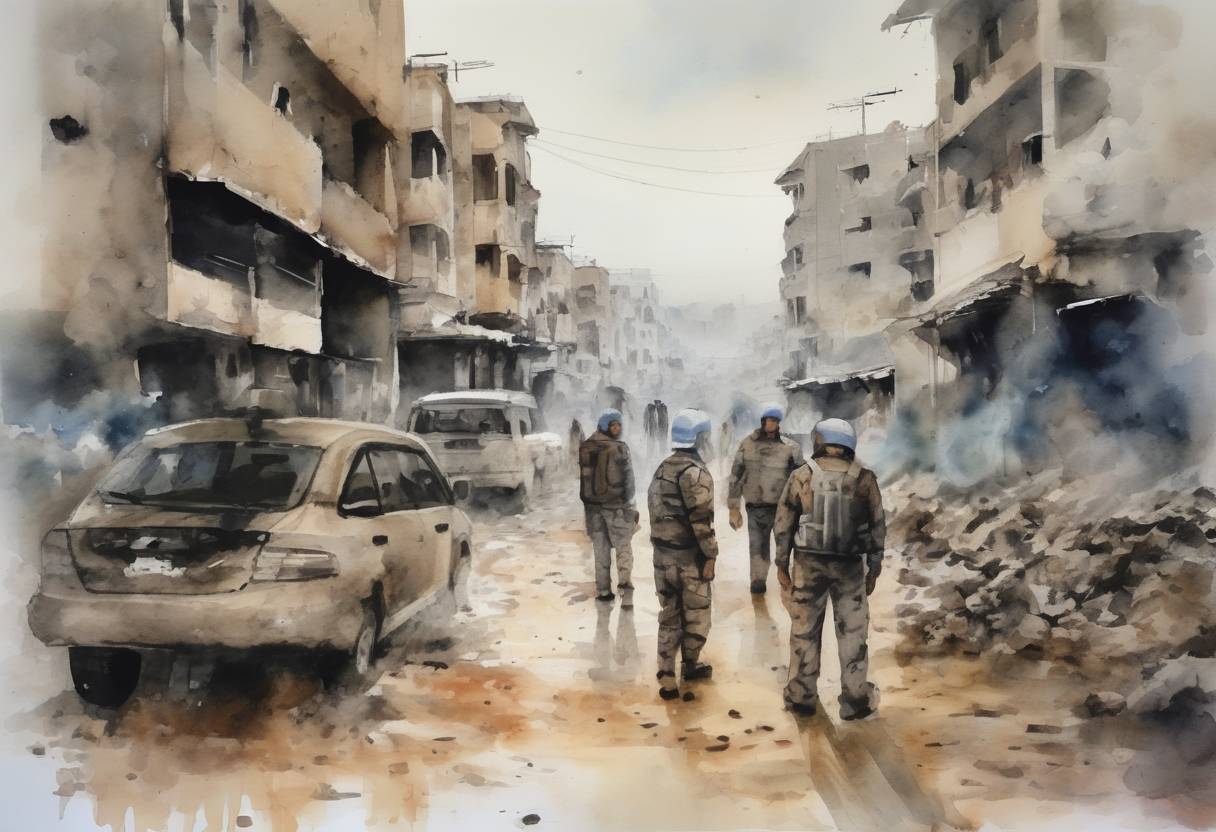
On September 2, 2013, the United Nations released a pivotal report confirming the use of chemical weapons in the Ghouta area near Damascus, Syria. This report was a significant development in the ongoing Syrian Civil War, which had begun in 2011. The conflict had already drawn international attention due to its humanitarian impact and the involvement of various global powers.
The Syrian Civil War started as part of the wider wave of the Arab Spring protests, with demands for political reform and the resignation of President Bashar al-Assad. As the conflict escalated, reports of human rights violations and the use of chemical weapons emerged, raising global concern.
On August 21, 2013, a chemical attack occurred in the Ghouta region, a suburb of Damascus. This attack resulted in significant civilian casualties and was widely condemned by the international community. The use of sarin gas, a potent nerve agent, was suspected, prompting calls for an investigation.
The UN report, released on September 2, 2013, confirmed the use of sarin gas in the Ghouta attack. The investigation was conducted by the United Nations Mission to Investigate Allegations of the Use of Chemical Weapons in the Syrian Arab Republic, led by Swedish scientist Åke Sellström.
The confirmation of chemical weapon use intensified the international debate over military intervention in Syria. Key reactions included:
The UN report on the Ghouta chemical attack marked a turning point in the Syrian conflict. It highlighted the complexities of international intervention and the challenges of enforcing international law regarding weapons of mass destruction. The event underscored the need for global cooperation in addressing the use of chemical weapons and protecting civilian populations in conflict zones.
In conclusion, the September 2, 2013, UN report played a crucial role in shaping international policy and response to the Syrian Civil War, emphasizing the importance of accountability and the protection of human rights in times of conflict.
Source: www.un.org