Dissolution of the Soviet Union: December 31, 1991
1991 · Moscow, Soviet Union
The Soviet Union was officially dissolved, marking the end of the Cold War and the beginning of a new era in Eastern Europe and Central Asia.
September 6, 1991
The Soviet Union recognizes the independence of the Baltic states: Estonia, Latvia, and Lithuania.
Moscow, Soviet Union | Soviet Government
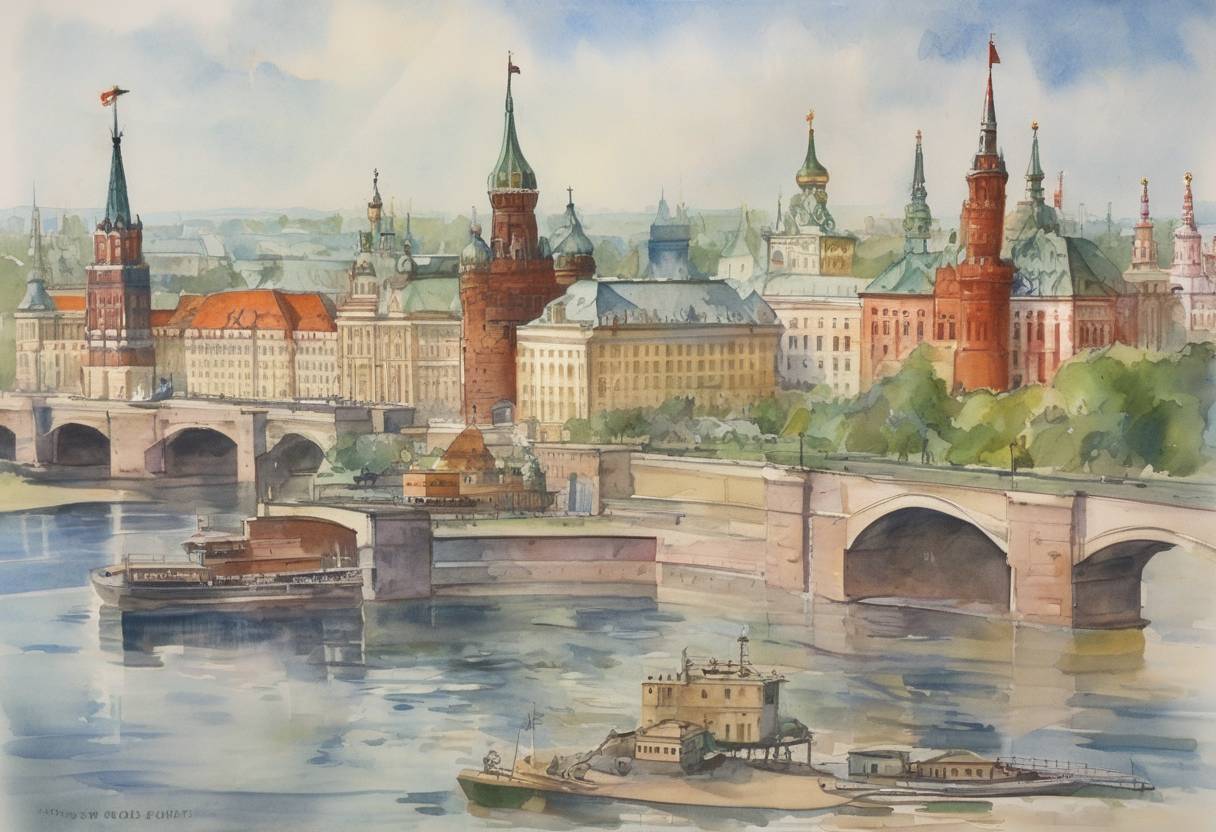
On September 6, 1991, the State Council of the Soviet Union officially recognized the independence of the Baltic states: Estonia, Latvia, and Lithuania. This marked a significant turning point in the dissolution of Soviet influence in Eastern Europe and the eventual collapse of the Soviet Union itself.
The Baltic states had been forcibly incorporated into the Soviet Union during World War II, following the Molotov-Ribbentrop Pact between Nazi Germany and the Soviet Union in 1939. This secret agreement led to the Soviet occupation of Estonia, Latvia, and Lithuania in 1940. Despite this, the Baltic states maintained a strong sense of national identity and resistance to Soviet rule.
1980s Reform and National Movements: The late 1980s saw a wave of reform across the Soviet Union, initiated by Mikhail Gorbachev’s policies of glasnost (openness) and perestroika (restructuring). These reforms inadvertently fueled nationalist movements within the Baltic states.
The Singing Revolution: Between 1987 and 1991, a series of peaceful protests and demonstrations, known as the Singing Revolution, took place in the Baltic states. These events were characterized by mass gatherings where people sang national songs and hymns, symbolizing their desire for independence.
Declarations of Independence: Lithuania was the first to declare independence on March 11, 1990, followed by Estonia on August 20, 1991, and Latvia on August 21, 1991. These declarations were initially met with resistance from the Soviet government.
In August 1991, a failed coup attempt by hardline members of the Soviet government against Gorbachev accelerated the collapse of Soviet control. The coup’s failure weakened the central Soviet authority and emboldened independence movements across the Soviet republics.
The recognition of Baltic independence by the Soviet Union on September 6, 1991, was a crucial step in the international acknowledgment of their sovereignty. It signaled the end of Soviet attempts to retain control over the Baltic region and was a precursor to the broader dissolution of the Soviet Union, which officially occurred in December 1991.
End of Soviet Occupation: The recognition ended over 50 years of Soviet occupation and allowed the Baltic states to pursue their own paths as independent nations.
Integration into Western Institutions: Following their independence, Estonia, Latvia, and Lithuania worked towards integration into European and transatlantic institutions. They became members of the European Union and NATO in 2004, solidifying their positions as part of the Western political and economic sphere.
Symbol of Peaceful Resistance: The Baltic independence movements are often cited as successful examples of peaceful resistance and non-violent protest, influencing other movements worldwide.
The recognition of Baltic independence was a pivotal moment in the late 20th century, marking the decline of Soviet power and the re-emergence of the Baltic states as independent nations on the global stage.
Source: en.wikipedia.org