January 14, 1907

An earthquake in Kingston, Jamaica, kills more than 1,000 people and causes extensive damage.


Kingston, Jamaica | none
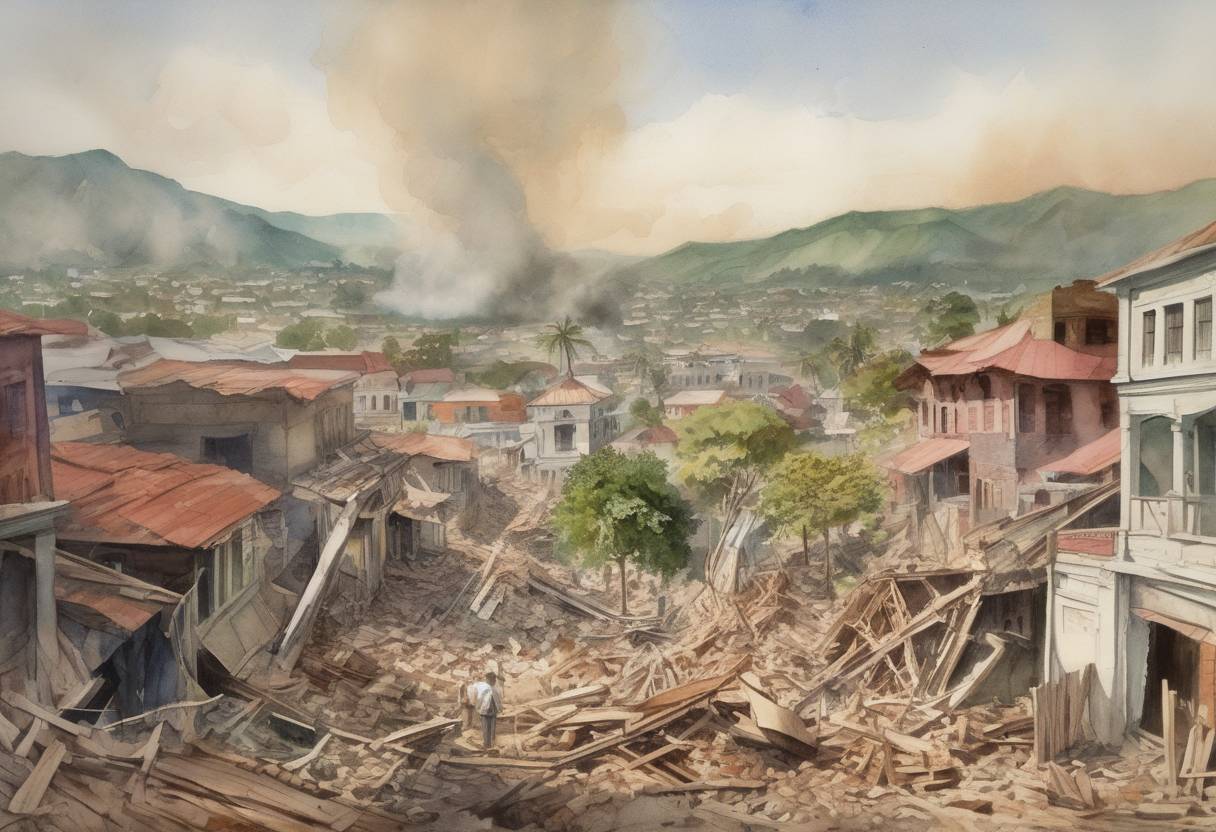
Watercolor painting based depiction of An earthquake in Kingston, Jamaica, kills more than 1,000 people and causes extensive damage. (1907)

The 1907 Kingston Earthquake

On January 14, 1907, a devastating earthquake struck Kingston, the capital city of Jamaica, resulting in significant loss of life and extensive damage to the city. This catastrophic event is one of the most severe natural disasters in Jamaican history.

Context and Background

At the beginning of the 20th century, Kingston was a bustling port city and the economic hub of Jamaica, which was then a British colony. The city was densely populated and had a mix of colonial architecture, including many buildings that were not designed to withstand seismic activity.

The Earthquake

  • Date and Time: The earthquake occurred on January 14, 1907, at approximately 3:30 PM local time.
  • Magnitude: The earthquake is estimated to have had a magnitude of 6.5 on the Richter scale.
  • Epicenter: The epicenter was located near Kingston, which contributed to the extensive damage experienced in the city.

Impact

  • Casualties: The earthquake resulted in the deaths of more than 1,000 people. Many were trapped under collapsed buildings, and the lack of immediate rescue efforts contributed to the high death toll.
  • Injuries: Thousands more were injured, with many suffering from severe injuries due to falling debris and building collapses.
  • Structural Damage: The earthquake caused widespread destruction across Kingston. Many buildings, including homes, businesses, and public structures, were either severely damaged or completely destroyed.
  • Fires: In the aftermath of the earthquake, fires broke out across the city, exacerbating the destruction and complicating rescue and recovery efforts.

Aftermath and Consequences

  • Reconstruction: The rebuilding of Kingston took several years. The disaster prompted changes in building codes and construction practices to improve earthquake resilience.
  • Economic Impact: The earthquake severely impacted Jamaica’s economy, disrupting trade and commerce. The cost of rebuilding and recovery was substantial.
  • International Response: The disaster drew international attention, and aid was sent from various countries to assist with relief efforts.

Historical Significance

The 1907 Kingston earthquake highlighted the vulnerability of urban centers to natural disasters and underscored the importance of disaster preparedness and resilient infrastructure. It also served as a catalyst for changes in building regulations in Jamaica, aiming to mitigate the impact of future seismic events.

In summary, the 1907 Kingston earthquake was a tragic event that had lasting effects on the city and its inhabitants, shaping the future of urban planning and disaster management in Jamaica.