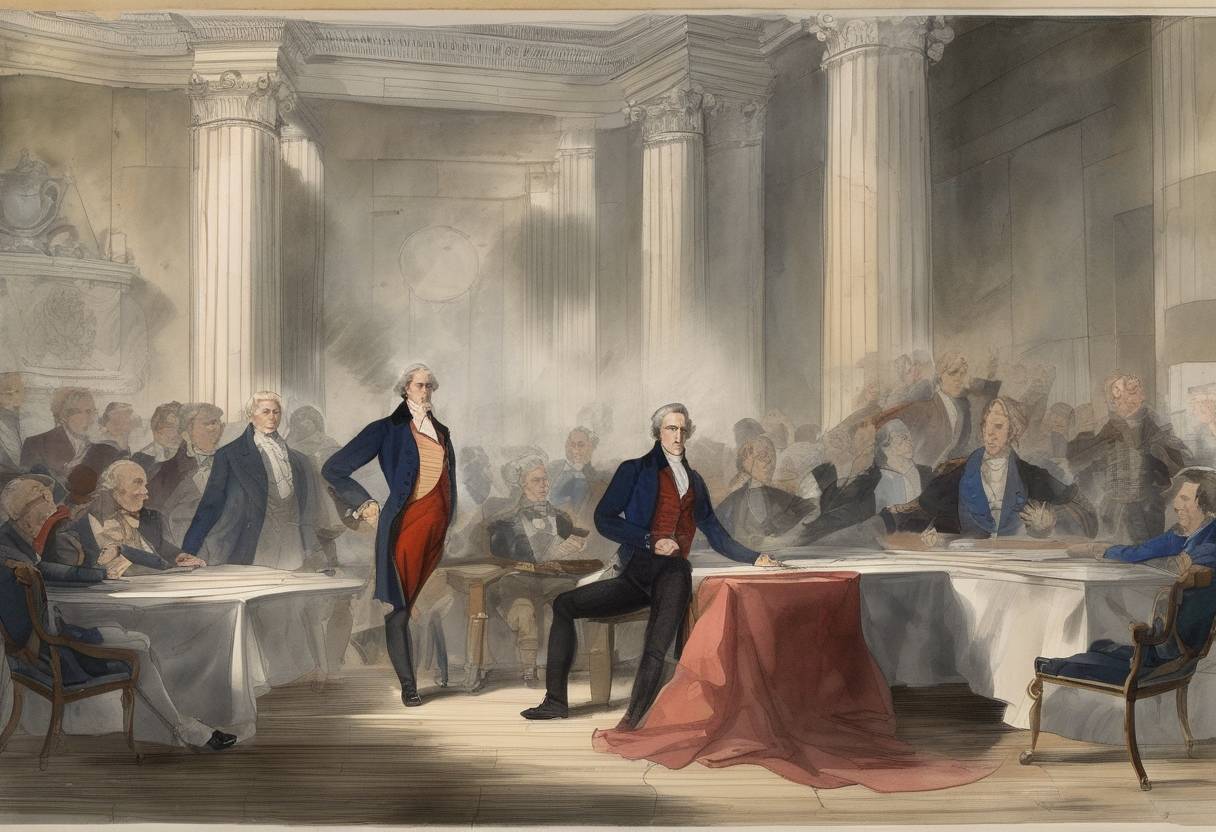
Assassination Attempt on President Andrew Jackson - January 30, 1835
On January 30, 1835, the first recorded assassination attempt on a sitting U.S. president occurred when Richard Lawrence attempted to kill President Andrew Jackson. This event took place at the United States Capitol in Washington, D.C., and marked a significant moment in American history.
Context and Background
Andrew Jackson was the seventh President of the United States, serving from 1829 to 1837. Known for his populist approach and strong leadership style, Jackson was a polarizing figure, admired by many for his advocacy for the “common man” but also criticized for his policies, including the controversial Indian Removal Act.
Richard Lawrence, the would-be assassin, was an unemployed house painter who suffered from mental illness. He believed that he was the rightful heir to the British throne and that Jackson’s policies were preventing him from receiving a large sum of money.
The Assassination Attempt
Location and Timing: The attempt took place at the Capitol as President Jackson was leaving a funeral service for South Carolina Congressman Warren R. Davis.
The Attack: Lawrence approached Jackson and fired two pistols at him at close range. Miraculously, both pistols misfired. The odds of both weapons failing were extraordinarily low, and this was later attributed to the humid weather affecting the gunpowder.
Jackson’s Reaction: Known for his fiery temper and resilience, Jackson reportedly charged at Lawrence with his cane, striking him multiple times before others intervened.
Apprehension: Lawrence was quickly subdued by the crowd, which included notable figures such as Davy Crockett, a congressman and frontiersman, who helped restrain him.
Aftermath and Significance
Trial and Verdict: Richard Lawrence was put on trial but was found not guilty by reason of insanity. He spent the remainder of his life in mental institutions.
Security Implications: This event highlighted the vulnerability of public figures and led to increased awareness regarding the security of the President.
Public Reaction: The incident reinforced Jackson’s image as a tough and resilient leader. Many of his supporters saw the failed attempt as a sign of divine protection over his presidency.
Historical Impact: The attempt on Jackson’s life was a precursor to the more structured security measures that would eventually be implemented for the protection of U.S. presidents.
This assassination attempt underscored the potential dangers faced by public officials and marked a turning point in how presidential security was perceived and managed in the United States.