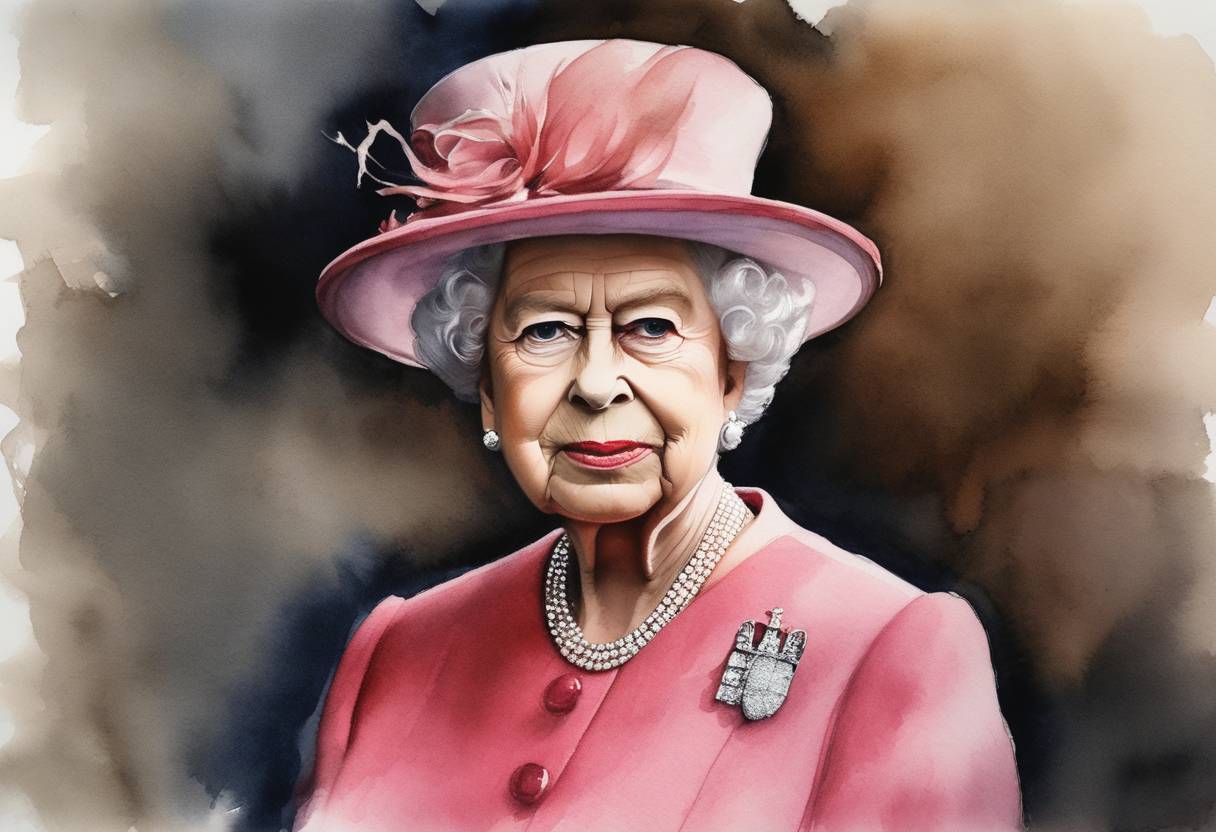
Queen Elizabeth II: Longest-Reigning British Monarch
On September 9, 2015, Queen Elizabeth II surpassed her great-great-grandmother Queen Victoria to become the longest-reigning monarch in British history. This significant milestone was achieved when she reigned for 63 years and 216 days, exceeding Queen Victoria’s tenure, which lasted from June 20, 1837, to January 22, 1901.
Context and Background
Queen Elizabeth II ascended the throne on February 6, 1952, following the death of her father, King George VI. Her reign began during a period of post-World War II recovery and decolonization, leading the British monarchy through a rapidly changing world. Throughout her reign, she witnessed significant historical events, including the dissolution of the British Empire, advancements in global technology, and changes within the British Commonwealth.
Significance of the Achievement
The record-breaking day was marked by reflections on her dedication and service to the nation. Unlike her predecessor, Queen Elizabeth did not mark the day with grand celebrations due to its coinciding with the anniversary of her father’s death. Instead, it was a moment for national acknowledgment and gratitude for her unparalleled commitment to her role as a constitutional monarch.
Aftermath and Historical Impact
Queen Elizabeth II’s long reign allowed her to become a key figure globally, demonstrating continuity and stability. Her tenure was noted for its ability to modernize the monarchy, emphasizing service and duty. The milestone underscored her role in bridging traditions while adapting the monarchy to align with contemporary societal norms.
The event was recognized with various tributes and acknowledgments across the United Kingdom and the Commonwealth, celebrating her unprecedented dedication and contribution to British history and culture.