Bob Dylan Awarded the Nobel Prize in Literature
2016 · Stockholm, Sweden
Bob Dylan was awarded the Nobel Prize in Literature for having created new poetic expressions within the great American song tradition, although he did not attend the ceremony.
December 10, 1997
American immunologist Stanley B. Prusiner was awarded the Nobel Prize in Physiology or Medicine for discovering prions, a new biological principle of infection.
Stockholm, Sweden | Nobel Prize Organization
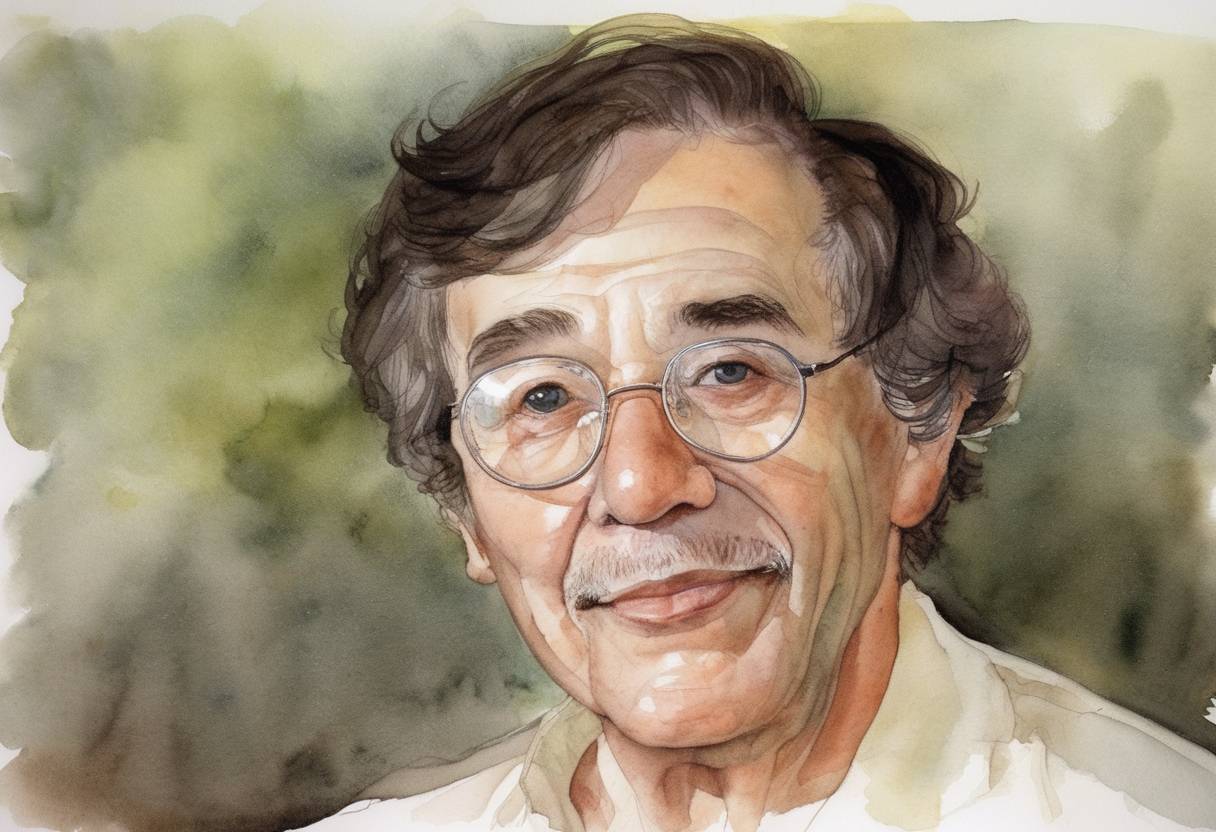
On October 12, 1997, American neurologist and biochemist Stanley B. Prusiner was awarded the Nobel Prize in Physiology or Medicine for his groundbreaking discovery of prions. These infectious agents challenge traditional understanding of viruses and bacteria, introducing a new biological principle of infection.
Prusiner’s work centered on neurodegenerative diseases, particularly Creutzfeldt-Jakob disease. Through this research, he proposed the existence of prions, which are infectious proteins devoid of nucleic acids, contradicting established scientific belief that infectious agents must contain DNA or RNA.
His research suggested that these proteins could induce abnormal folding of specific normal cellular proteins, primarily found in the brain, leading to severe neurodegenerative disorders. Prusiner coined the term “prion” in 1982, derived from “proteinaceous infectious particle.”
Prusiner’s discovery has significant implications for understanding diseases like mad cow disease (Bovine spongiform encephalopathy) and kuru. It opened new research pathways in neurodegenerative diseases such as Alzheimer’s and Parkinson’s, where protein misfolding plays a crucial role.
Prusiner’s work not only provided profound insights into disease mechanisms but also prompted a reevaluation of biological and medical fundamentals concerning pathogenesis and infectious agents. The recognition by the Nobel Committee highlighted the importance of challenging existing paradigms and the potential for paradigm-shifting discoveries in science.
The award on this day underscored the value of pioneering research and underscored the ongoing need to explore and understand the complexity of biological processes and diseases.
Source: www.nobelprize.org