December 14, 2021: Sudan Protests Against Military Coup
2021 · Khartoum, Sudan
A large demonstration formed in Sudan as thousands of citizens protested against the military coup and demanded the restoration of civilian rule.
September 3, 2021
In Guinea, a military coup was attempted against President Alpha Condé's government. The coup was ultimately successful, leading to the detention of President Condé by the military, which was a significant shift in the political landscape of the country.
Conakry, Guinea | Guinea Armed Forces
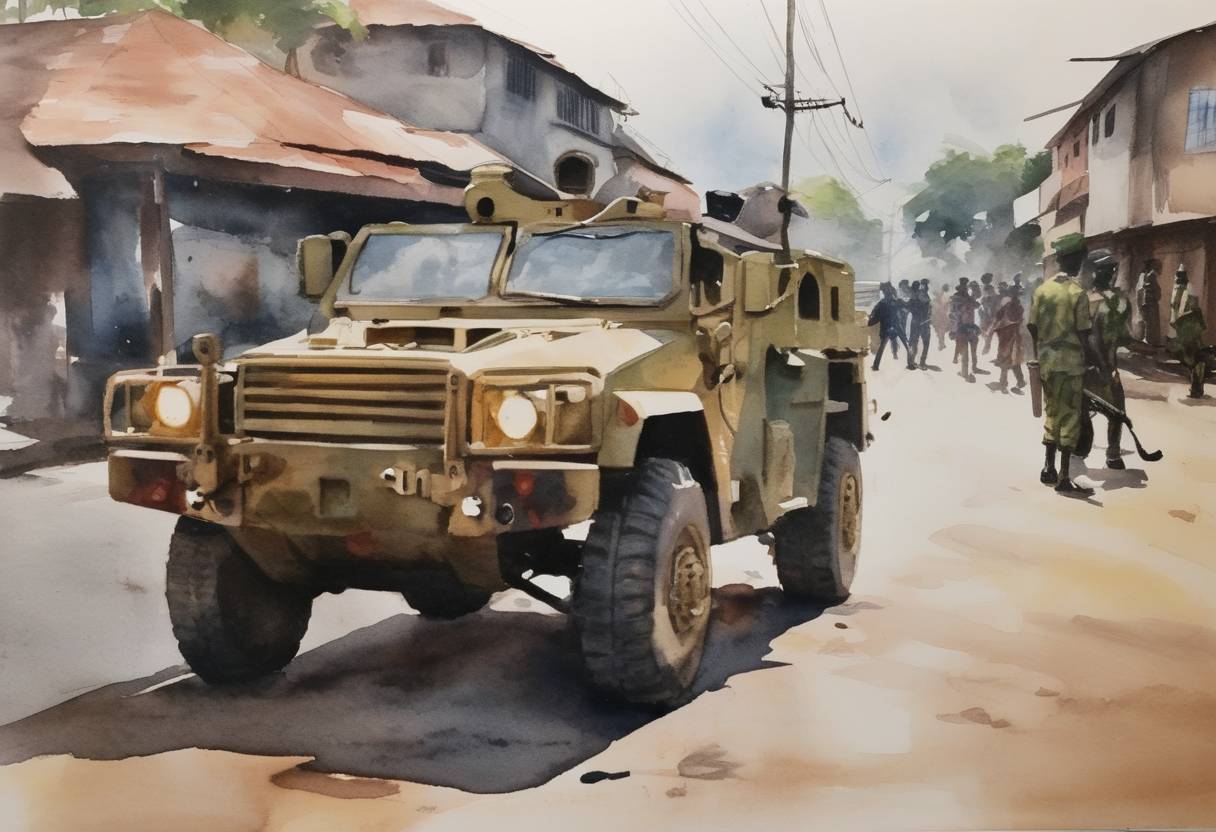
On September 5, 2021, a military coup took place in Guinea, resulting in the overthrow of President Alpha Condé’s government. This significant political event was led by Colonel Mamady Doumbouya and members of the Guinean Armed Forces. The coup leaders detained President Condé, marking a pivotal shift in Guinea’s political landscape.
Alpha Condé, who first came to power in 2010, was a long-serving figure in Guinean politics. His presidency saw both economic developments and controversial political maneuvers, including a constitutional referendum in 2020 that allowed him to run for a third term. This move was contentious and spurred opposition domestically and criticism from the international community. The political tension surrounding his third term set the stage for unrest and dissatisfaction with his administration.
Stepping into action in the capital city of Conakry, soldiers orchestrated the coup by arresting President Condé and declaring the dissolution of the government and the suspension of the constitution. Colonel Doumbouya, a former French legionnaire, became a central figure in the coup. He addressed the nation, suggesting that the Army’s intervention was necessary due to poor governance, financial mismanagement, and the handling of Guinea’s resources.
The coup in Guinea prompted immediate responses from both within the country and around the world. Domestically, there were reports of some civilians celebrating the military’s actions, reflecting dissatisfaction with Condé’s rule. Internationally, the African Union and the United Nations condemned the coup, calling for Condé’s release and a return to constitutional order.
The coup had broader implications for West African politics, raising concerns about democratic backsliding in the region. The Economic Community of West African States (ECOWAS) took a firm stance against the coup, suspending Guinea from its decision-making bodies and imposing sanctions on the coup leaders. These events underscored the complex dynamics of power, governance, and regional stability in West Africa.
This coup marked Guinea’s return to military rule, disrupting a decade of civilian leadership after years of authoritarian rule prior to Condé’s presidency. It also highlighted the ongoing challenges faced by nations in the region in balancing political stability with democratic governance. The events of September 5, 2021, signaled a crucial moment that would shape Guinea’s political future and its interactions with the global community.
Source: www.bbc.com