Barack Obama's Historic Visit to Cuba on March 20, 2016
2016 · Havana, Cuba
President Barack Obama becomes the first sitting U.S. president to visit Cuba in 88 years, marking a significant step in the thawing of relations between the two countries.
February 24, 1996
Cuban fighter jets shoot down two U.S. civilian aircraft from the group Brothers to the Rescue, leading to international condemnation.
Havana, Cuba | Brothers to the Rescue
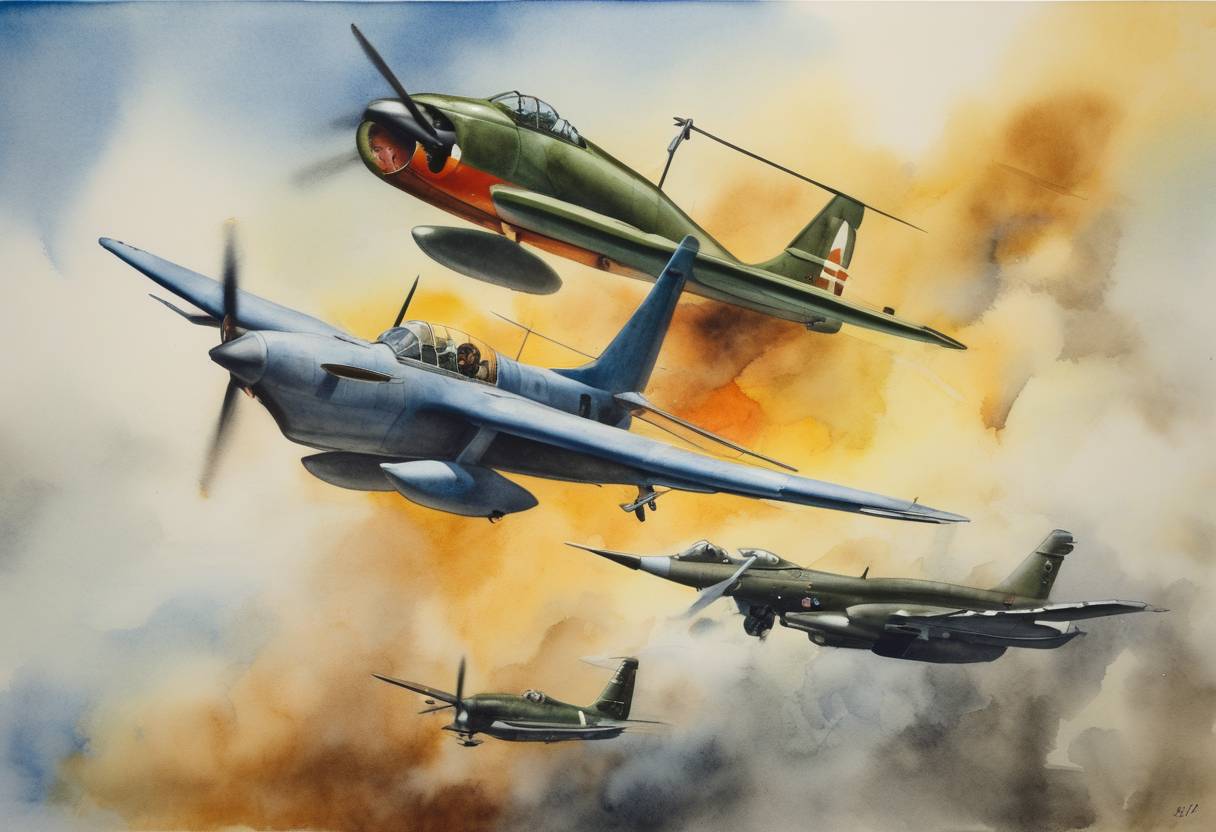
On February 24, 1996, a significant international incident occurred when Cuban Air Force MiG-29UB fighter jets shot down two civilian aircraft operated by the Cuban exile organization, Brothers to the Rescue. This event unfolded over the Florida Straits, a region known for its political tensions and acts of defiance against the Cuban government.
Brothers to the Rescue was formed by Cuban exiles in Miami, primarily dedicated to providing humanitarian aid and carrying out search and rescue operations for Cuban rafters fleeing the communist regime. The organization frequently conducted flights in the airspace near Cuba to spot rafts and notify the U.S. Coast Guard, thereby assisting in potential rescue operations. However, these activities were perceived by the Cuban government as provocative and as a challenge to its sovereignty.
On the afternoon of February 24, 1996, four civilian aircraft from Brothers to the Rescue took off from Opa-Locka Airport in Florida. As they flew towards Cuban airspace, two of the planes were intercepted by Cuban MiG-29UB fighters. The Cuban government had issued warnings in the past about unauthorized flights entering their airspace.
Around 3:21 PM local time, the Cuban jets engaged and shot down two Cessna planes registered in the United States, killing all four individuals on board. The planes were reportedly flying in international airspace at the time.
The attack drew widespread international condemnation, particularly from the United States. President Bill Clinton’s administration denounced the act as unlawful and part of a pattern of reckless behavior by the Cuban government. In response, the U.S. Congress expedited the passage of the Helms-Burton Act, tightening the American embargo against Cuba. This Act was designed to penalize foreign companies doing business with Cuba, further isolating the nation economically.
The United Nations Security Council also addressed the incident, leading to the passing of UNSC Resolution 1067, which condemned the Cuban action but did not impose additional sanctions. Additionally, the incident strained U.S.-Cuba relations and reinforced divisions in diplomatic engagements.
The shoot-down highlighted the volatile nature of U.S.-Cuba relations, fostering deeper divisions within the Cuban exile community in the United States. It amplified the calls for a more aggressive stance against Cuba by exiles, while also increasing pressure on the Clinton administration to act decisively.
This event remains a poignant reminder of the delicate geopolitical dynamics between Cuba and the U.S., underscoring the intertwined nature of politics, human rights, and international law.
Source: www.latimes.com