Hernando de Soto Claims Florida for Spain on June 3, 1539
1539 · Tampa Bay, modern-day United States
Hernando de Soto claims Florida for Spain during his exploration of the southeastern United States.
April 1, 1545
Potosí is discovered by Inca natives. This site would later become the location of the famous 'Cerro Rico' or 'Rich Mountain', which held vast amounts of silver and became a significant source of wealth for the Spanish Empire.
Potosí, present-day Bolivia | Spanish Empire
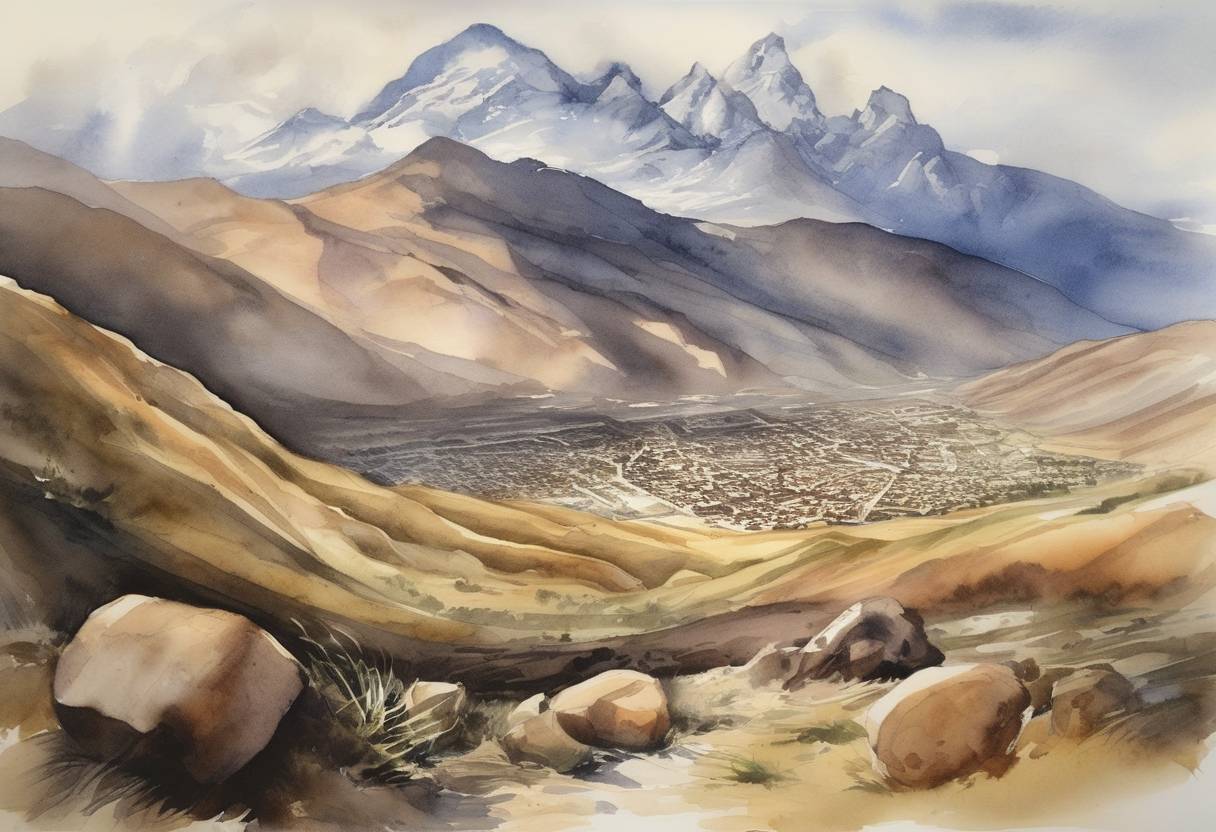
The site that would become known as Potosí, located in present-day Bolivia, is credited with being discovered by Inca natives on April 1, 1545. This moment marked the beginning of a transformative era, as Potosí would gain historical prominence for its vast silver deposits located in the “Cerro Rico” or “Rich Mountain.”
Before the discovery, the Inca Empire had incorporated the region into its vast territory, integrating it into their trade networks. The indigenous people of the Andes were already aware of the mineral riches existing in the mountains, utilizing silver in small quantities for ceremonial and decorative purposes.
On April 1, 1545, it is recorded that a native Inca, Diego Huallpa, accidentally stumbled upon the expansive silver veins of Cerro Rico. The story traditionally recounts that while heating food, he noticed the silver leading him to uncover the mountain’s vast mineral wealth inadvertently.
Cerro Rico’s silver quickly attracted the attention of the Spanish colonialists, who were eager to capitalize on such a lucrative find. The city of Potosí was founded soon thereafter, in proximity to the mountain to facilitate the mining of silver, which became integral to the Spanish colonial economy.
Economic Boom: The silver extracted from Potosí played a crucial role in enriching the Spanish Empire, becoming one of the primary sources of silver in the world during the 16th and 17th centuries. This influx significantly impacted global trade, contributing to the Spanish economic dominance of the era.
Labor and Social Changes: The vast mining operations necessitated large labor forces, leading to the exploitation of indigenous peoples through systems like the encomienda and the mita. Spanish authorities also imported African slaves to bolster labor as the global demand for silver grew.
Urban Development: Potosí rapidly evolved into one of the world’s most populous and wealthy cities during the 17th century, with an economy and society built around mining. It became emblematic of the wealth generated from colonial exploitation.
As the richest mineral deposit of its time, Cerro Rico eventually witnessed a decline in silver extraction by the late 18th century, leading to economic downturns. Today, Potosí stands as a UNESCO World Heritage site, remembered both for its historical significance and the high human cost of its silver wealth. The history of Potosí remains a poignant reminder of the complex legacies of colonialism.
Source: en.wikipedia.org