The Liberation of Raqqa: A Turning Point in the Fight Against ISIS
2017 · Raqqa, Syria
The United Nations announced that the Islamic State had been driven out of Raqqa, Syria, marking a significant defeat for the militant group.
February 3, 2015
Jordan executes two al-Qaeda prisoners in response to the killing of a Jordanian pilot by ISIS, escalating tensions in the region.
Amman, Jordan | Jordanian government
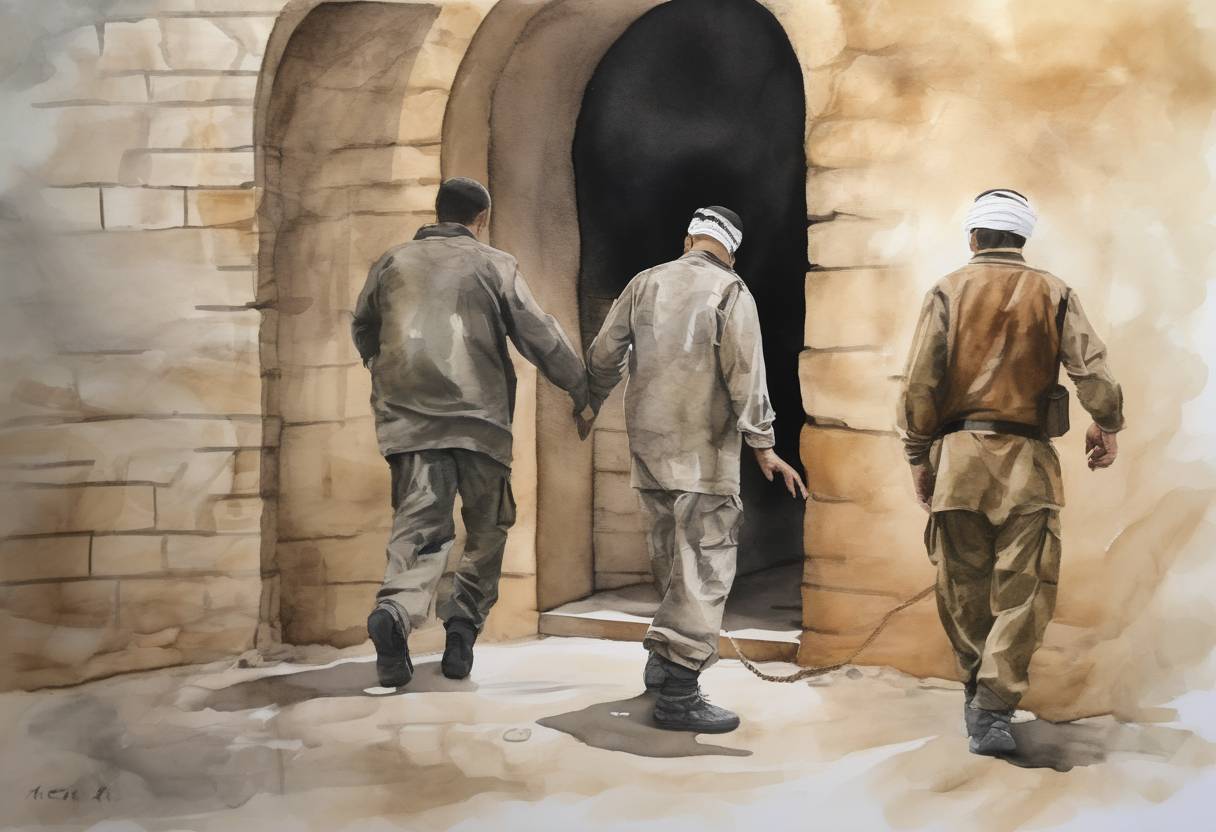
On February 3, 2015, the Hashemite Kingdom of Jordan executed two al-Qaeda prisoners, Sajida al-Rishawi and Ziad al-Karbouli, in response to the brutal killing of a Jordanian pilot, Lieutenant Muath al-Kasasbeh, by the Islamic State of Iraq and Syria (ISIS). This event marked a significant escalation in the regional conflict involving ISIS and highlighted the complex dynamics of Middle Eastern geopolitics.
Muath al-Kasasbeh: A Jordanian Air Force pilot, al-Kasasbeh was captured by ISIS militants in December 2014 after his F-16 fighter jet crashed during a mission over Syria. He was part of a U.S.-led coalition conducting airstrikes against ISIS targets.
ISIS’s Brutal Act: On February 3, 2015, ISIS released a video showing the horrific execution of al-Kasasbeh, who was burned alive while trapped in a cage. This act of brutality shocked the world and provoked widespread condemnation.
Sajida al-Rishawi: An Iraqi national, al-Rishawi was involved in the 2005 Amman hotel bombings, which killed 60 people. Her execution had been a point of negotiation, as ISIS had previously demanded her release in exchange for al-Kasasbeh.
Ziad al-Karbouli: A former aide to Abu Musab al-Zarqawi, the leader of al-Qaeda in Iraq, al-Karbouli was captured in 2006 and sentenced to death for his involvement in terrorist activities.
Domestic Reaction: The executions were met with approval by many Jordanians, who were outraged by the murder of al-Kasasbeh. The Jordanian government, led by King Abdullah II, vowed to intensify its efforts against ISIS.
Military Response: Following the executions, Jordan increased its military operations against ISIS, conducting airstrikes targeting the group’s positions in Syria.
Regional Tensions: The executions and subsequent military actions underscored the volatile nature of Middle Eastern politics and the challenges faced by nations combating ISIS.
International Relations: Jordan’s decisive response was supported by its allies, including the United States, which viewed Jordan as a key partner in the fight against ISIS.
Humanitarian Concerns: The incident highlighted the ongoing humanitarian crisis in the region, with millions displaced by the conflict and the international community grappling with how to effectively address the threat posed by ISIS.
In summary, the execution of the two al-Qaeda prisoners by Jordan was a direct and forceful response to the murder of Lieutenant Muath al-Kasasbeh, reflecting the kingdom’s commitment to combating terrorism and its broader implications for regional stability and international counterterrorism efforts.
Source: www.theguardian.com