Pakal the Great Ascends to the Throne of Palenque
On July 29, 615, K’inich Janaab’ Pakal, commonly known as Pakal the Great, ascended to the throne of the Maya city-state of Palenque. His reign, which lasted nearly 70 years, marked a period of significant architectural and cultural development in the region.
Background
Palenque, located in present-day Chiapas, Mexico, was one of the most powerful and influential city-states in the Maya civilization. Before Pakal’s ascension, Palenque had experienced a period of instability and conflict with neighboring city-states, which had weakened its political and economic standing.
Pakal’s Ascension
Pakal was born on March 23, 603, to Lady Sak K’uk’ and K’an Bahlam, members of the royal family of Palenque. At the age of 12, Pakal became king after his mother, Lady Sak K’uk’, served as regent. His ascension marked the beginning of a new era for Palenque, as he embarked on a mission to restore the city’s prominence.
Achievements and Developments
During his reign, Pakal the Great oversaw numerous achievements that contributed to the cultural and architectural legacy of Palenque:
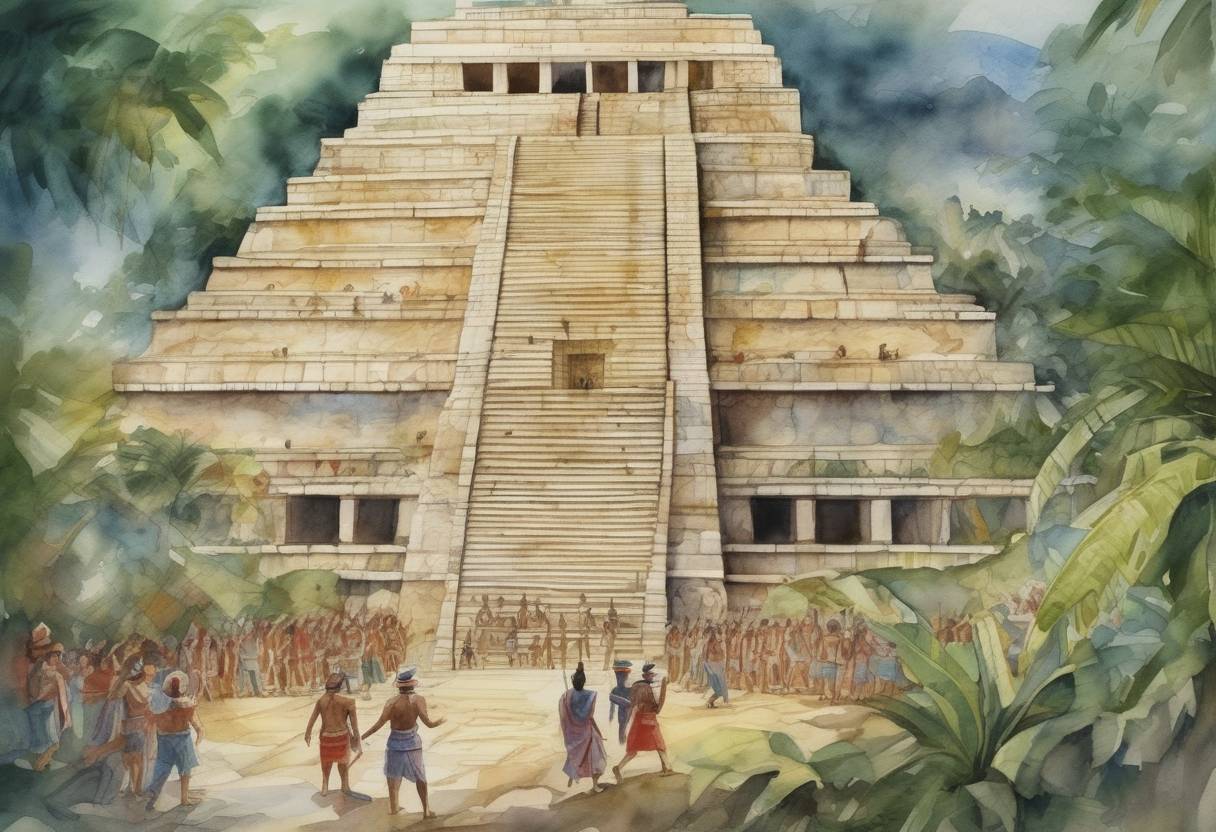
Architectural Innovations: Pakal commissioned the construction of some of Palenque’s most iconic structures, including the Temple of the Inscriptions, which served as his mausoleum. This pyramid is renowned for its intricate carvings and hieroglyphic inscriptions that provide valuable insights into Maya history and Pakal’s lineage.
Cultural Flourishing: Under Pakal’s rule, Palenque became a center of Maya art and culture. The city-state saw advancements in sculpture, pottery, and hieroglyphic writing, contributing to the broader Maya cultural renaissance of the Classic Period.
Political Stability: Pakal successfully navigated the complex political landscape of the Maya region, forging alliances and maintaining stability within Palenque. His diplomatic efforts helped secure the city’s prosperity and influence.
Legacy
Pakal the Great’s reign left an indelible mark on Maya history. His architectural projects and cultural contributions have provided modern scholars with a wealth of information about the Maya civilization. The Temple of the Inscriptions, in particular, remains a testament to his legacy, housing his sarcophagus and serving as a symbol of his enduring impact.
Pakal’s long and prosperous reign set the stage for subsequent rulers of Palenque, who continued to build upon his achievements. His influence extended beyond his lifetime, shaping the cultural and historical narrative of the Maya civilization for generations to come.