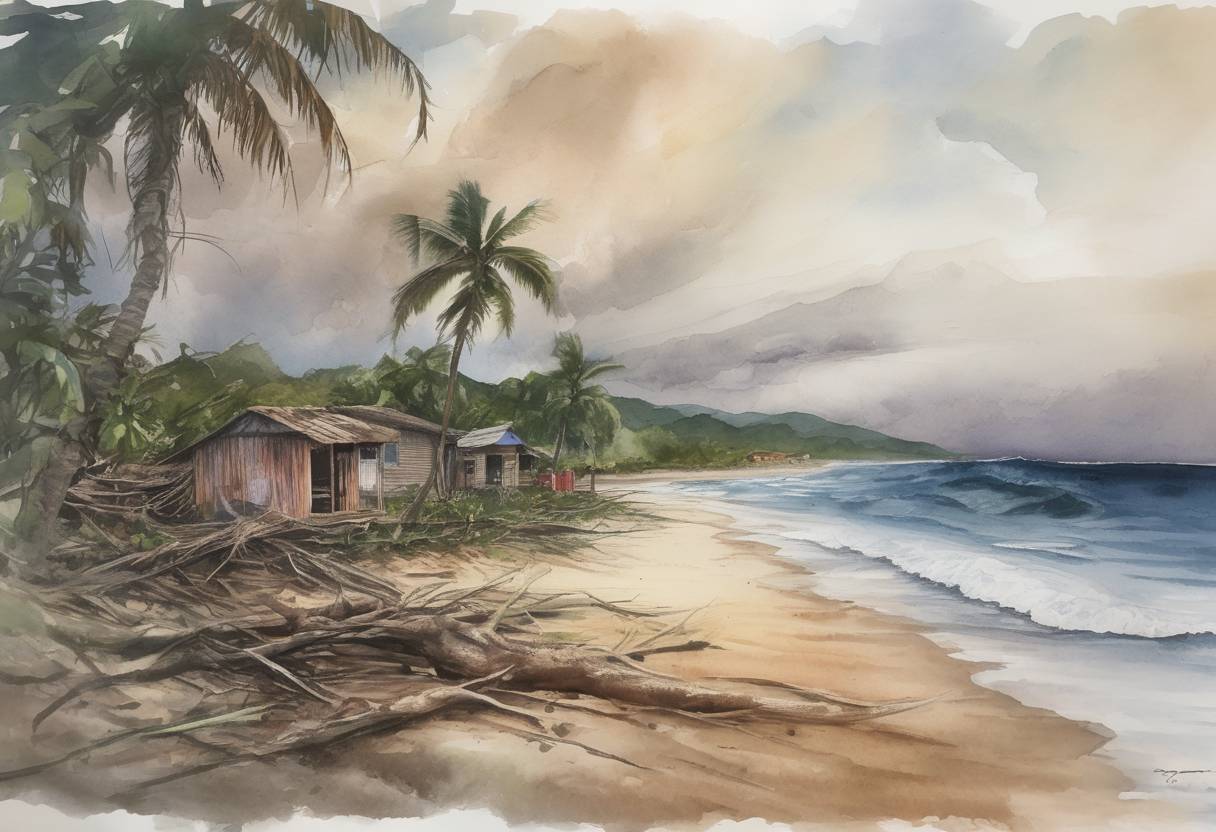
Hurricane Iota: Landfall in Nicaragua on November 17, 2020
On November 17, 2020, Hurricane Iota made landfall in Nicaragua as a powerful Category 4 hurricane, marking a significant and devastating event in the region’s history. This hurricane was particularly catastrophic as it struck just two weeks after Hurricane Eta, compounding the destruction and humanitarian crisis in Central America.
Hurricane Iota originated from a tropical wave that moved off the coast of Africa in early November 2020. It developed into a tropical depression on November 13 in the central Caribbean Sea. Rapid intensification followed, and Iota became a Category 5 hurricane on November 16, reaching peak sustained winds of 160 mph (260 km/h) before slightly weakening to a Category 4 hurricane upon landfall.
Landfall and Impact
- Date and Location: Iota made landfall near the town of Haulover, Nicaragua, on November 17, 2020.
- Wind Speeds: At landfall, Iota had sustained winds of approximately 155 mph (250 km/h), making it one of the strongest hurricanes to hit Nicaragua.
- Rainfall and Flooding: The hurricane brought torrential rains, leading to severe flooding and landslides across Nicaragua and neighboring countries, including Honduras, El Salvador, and Guatemala.
- Destruction: The storm caused widespread destruction to infrastructure, homes, and agriculture. Many communities were left isolated due to washed-out roads and bridges.
Humanitarian Crisis
The impact of Hurricane Iota was exacerbated by the recent devastation caused by Hurricane Eta, which had struck the same region just two weeks earlier. The compounded effects led to:
- Displacement: Thousands of people were displaced, with many seeking refuge in overcrowded shelters.
- Casualties: The combined death toll from both hurricanes was significant, with dozens of fatalities reported.
- Economic Impact: The agricultural sector, a critical component of the region’s economy, suffered extensive damage, affecting food security and livelihoods.
Aftermath and Response
The aftermath of Hurricane Iota saw a significant humanitarian response, both locally and internationally:
- Emergency Aid: Governments and international organizations mobilized to provide emergency relief, including food, water, medical supplies, and temporary shelter.
- Reconstruction Efforts: Long-term recovery and reconstruction efforts were initiated, focusing on rebuilding infrastructure, restoring services, and supporting affected communities.
Broader Historical Significance
Hurricane Iota’s impact highlighted the increasing vulnerability of Central America to extreme weather events, exacerbated by climate change. The back-to-back hurricanes underscored the need for improved disaster preparedness and resilience-building in the region.
In conclusion, Hurricane Iota’s landfall on November 17, 2020, was a devastating event that left a lasting impact on Nicaragua and its neighbors, illustrating the severe challenges posed by natural disasters in the context of climate change.