The New York City Blackout of July 13, 1977
1977 · New York City, United States
A major blackout hit New York City, leading to widespread looting and arson during a period of economic and social turmoil.
November 9, 1965
The Great Northeast Blackout occurred, affecting parts of Ontario, Canada, and the northeastern United States, leaving over 30 million people without electricity for up to 13 hours.
New York City, United States | Northeast Power Coordinating Council
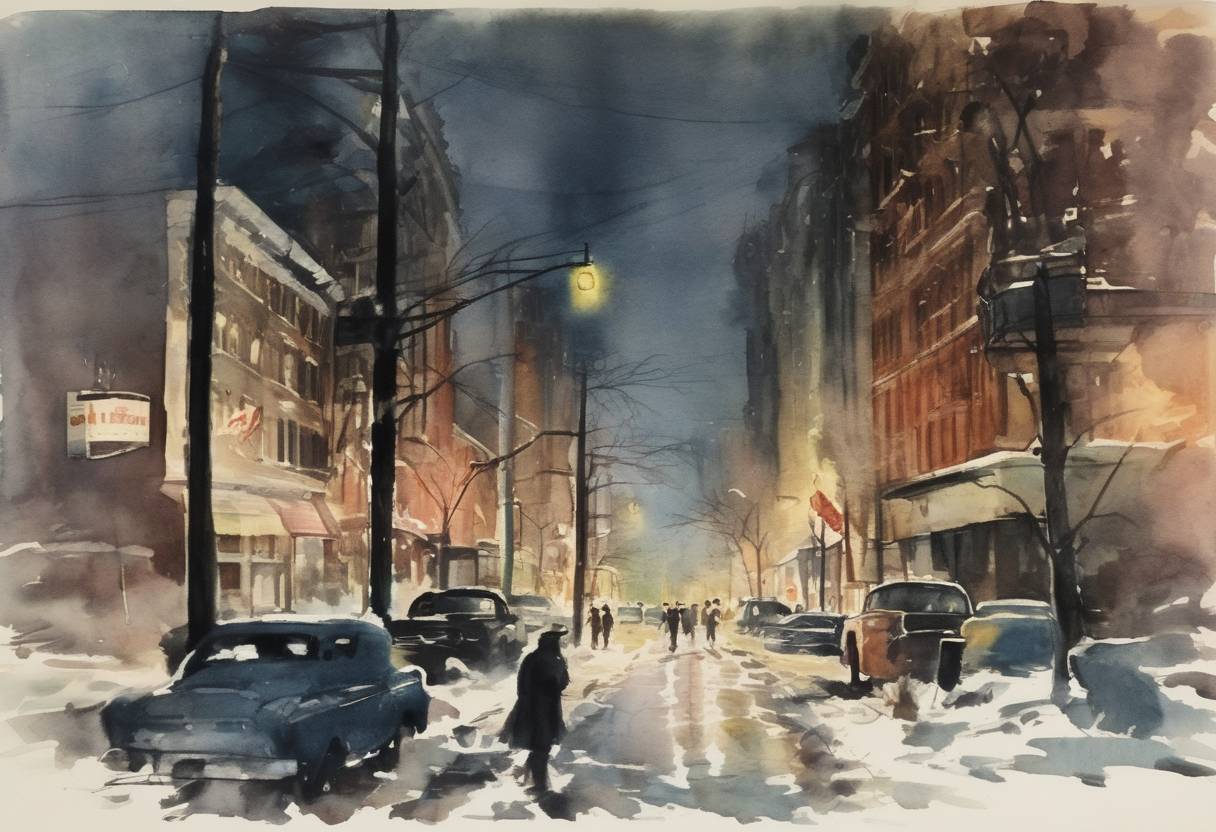
On November 9, 1965, a massive power outage known as the Great Northeast Blackout occurred, impacting parts of Ontario, Canada, and the northeastern United States. This unprecedented event left over 30 million people without electricity for up to 13 hours, marking one of the largest blackouts in North American history.
The 1960s were a period of rapid industrial growth and urbanization in North America, leading to increased demand for electricity. The power grid systems were expanding and becoming more interconnected to meet these demands. However, this interconnectedness also meant that a failure in one part of the grid could have widespread consequences.
The blackout began at approximately 5:16 PM EST when a small relay in a power station near Niagara Falls, Ontario, failed. This relay was part of a protective system designed to maintain balance in the power grid. When it malfunctioned, it caused a series of cascading failures across the network.
The power failure quickly spread across the northeastern United States and parts of Canada, affecting major cities such as New York City, Boston, and Toronto. Within minutes, the blackout extended over an 80,000-square-mile area, plunging millions into darkness.
The response to the blackout was swift, with utility workers and engineers working tirelessly to restore power. By midnight, power was gradually being restored, and by the early hours of November 10, most areas had electricity back.
The Great Northeast Blackout of 1965 highlighted the vulnerabilities in the power grid system and prompted significant changes:
The blackout remains a pivotal moment in the history of North American energy management, serving as a catalyst for improvements in grid reliability and emergency preparedness.
Source: en.wikipedia.org