Chevrolet Enters the Automobile Market
1911 · Detroit, United States
Chevrolet officially enters the automobile market in competition with the Ford Model T.
May 11, 1924
Mercedes-Benz is formed with the merger of two automotive companies, Benz & Cie and Daimler Motoren Gesellschaft.
Stuttgart, Germany | Mercedes-Benz
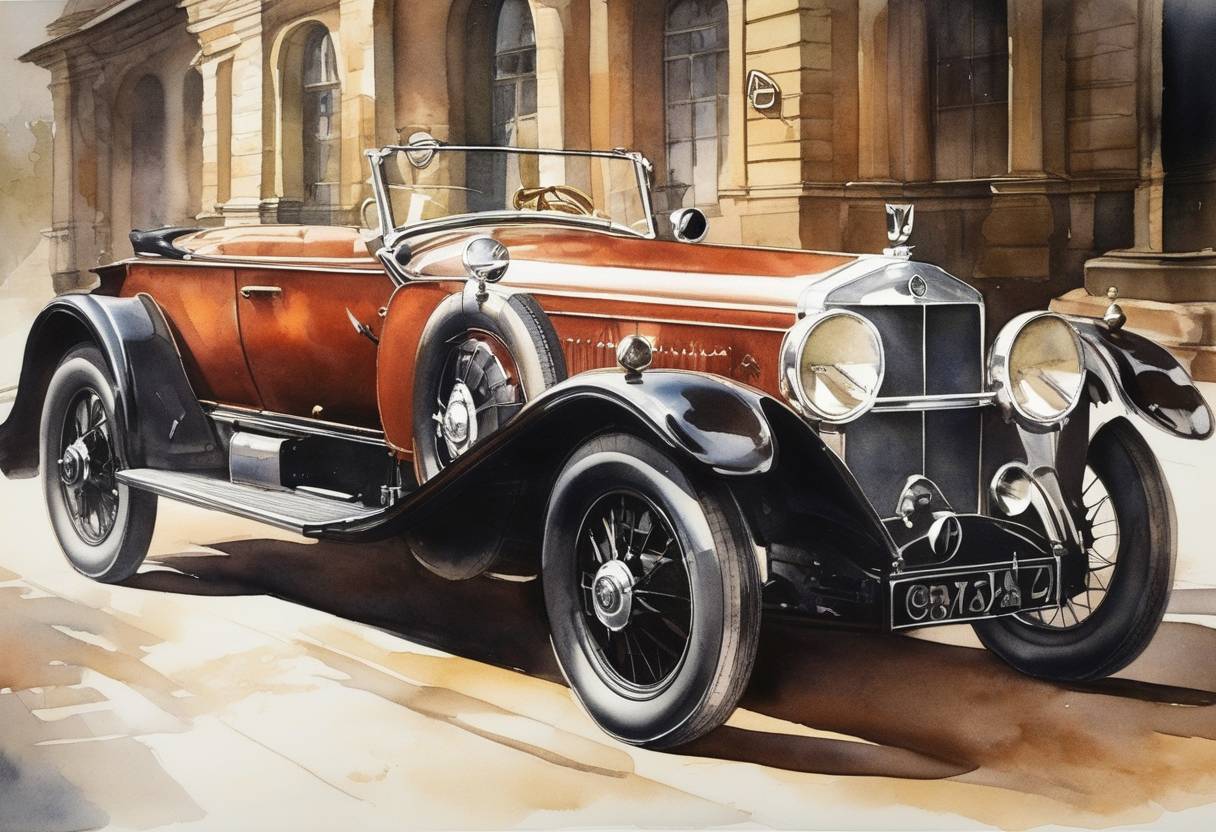
On May 11, 1924, a pivotal partnership occurred in the automotive industry, leading to the formation of what would become one of the most recognized automobile brands globally - Mercedes-Benz. On this date, two leading German automobile manufacturers, Benz & Cie and Daimler-Motoren-Gesellschaft (DMG), signed an agreement of mutual interest that set the foundation for their eventual merger.
Founded in 1883 by Karl Benz, Benz & Cie was one of the oldest automobile manufacturers in the world. Karl Benz is credited with the invention of the modern automobile with an internal combustion engine, and his Motorwagen, patented in 1886, is considered the first car.
DMG was established in 1890 by Gottlieb Daimler and Wilhelm Maybach. It focused on the construction of high-speed engines and was known for its innovation in producing some of the world’s first petrol-powered vehicles. Notably, DMG’s Mercedes 35 hp model of 1901 set new standards in automotive design and engineering.
The cooperative agreement signed on May 11, 1924, between Benz & Cie and DMG was largely a response to the severe economic challenges post-World War I, including hyperinflation in Germany and increased competition both domestically and internationally. Under this agreement, both companies retained their separate legal identities but agreed to collaborate in several critical areas including development, production, purchasing, and sales, advancing towards economies of scale.
Though this agreement initially formalized cooperation between two entities, it served as a forerunner to a complete merger.
This agreement solidified a pathway towards a full merger, which was finalized in 1926, resulting in the creation of the company Daimler-Benz AG. Following the merger, the vehicles were branded under the name Mercedes-Benz, symbolizing the blend of both companies’ most successful trademarks. In particular, the name “Mercedes” had been used by DMG since last century after Emil Jellinek, an entrepreneur and racer, who named vehicles after his daughter.
The merger was highly significant in the automotive industry as it pooled together technological expertise and resources, aiding the companies in overcoming financial obstacles and enhancing their competitive edge globally. Today, Mercedes-Benz represents innovation, luxury, and performance and remains a key player in the automotive sector. The brand’s formation marked a new era in automobile production, setting standards for future mergers and collaborations in the industry.
Source: www.mercedes-benz.com