Premiere of J.M. Barrie's *Peter Pan, or The Boy Who Wouldn't Grow Up*
1904 · London, United Kingdom
The first performance of J.M. Barrie's play 'Peter Pan, or The Boy Who Wouldn't Grow Up' premiered at the Duke of York's Theatre in London.
December 21, 1879
The world premiere of Henrik Ibsen's play 'A Doll's House' takes place at the Royal Theatre in Copenhagen, Denmark.
Copenhagen, Denmark | Royal Theatre
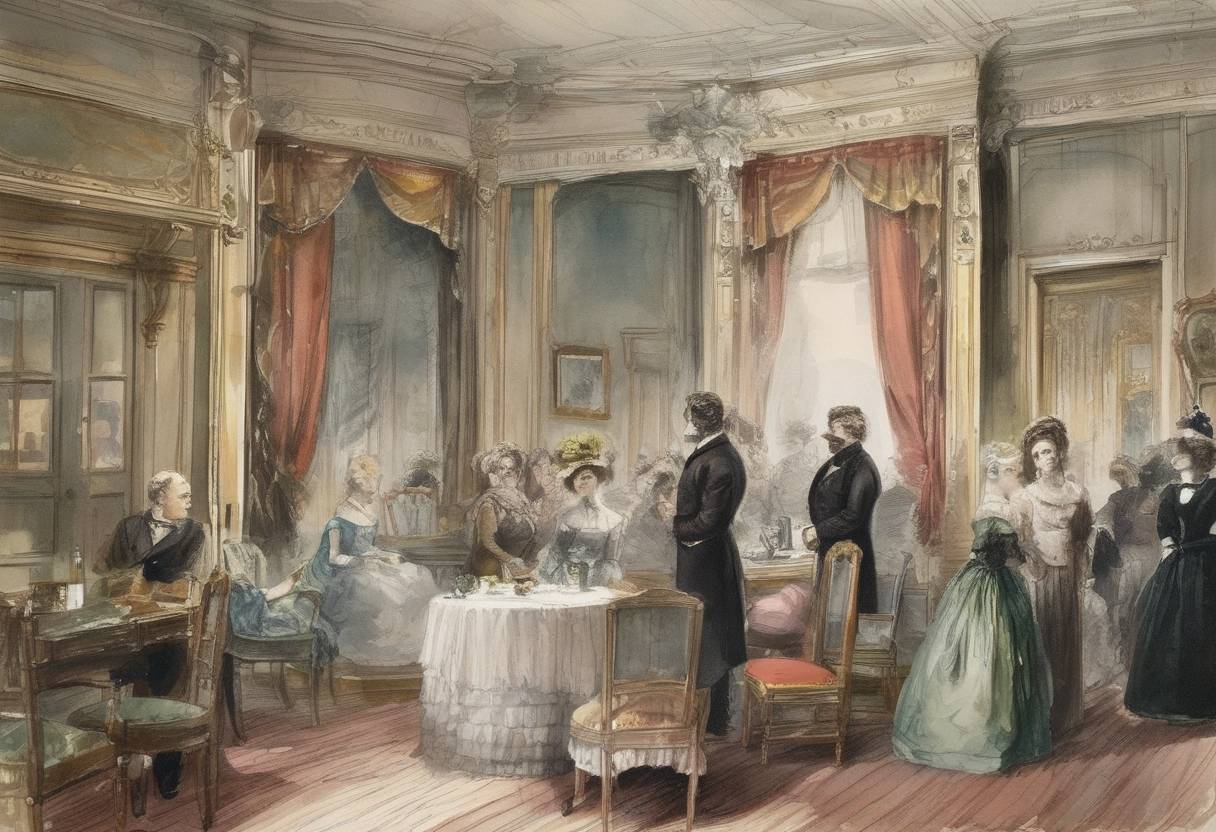
On December 21, 1879, the world premiere of Henrik Ibsen’s play A Doll’s House took place at the Royal Theatre in Copenhagen, Denmark. This event marked a significant moment in theatrical history, as Ibsen’s work would go on to challenge societal norms and provoke discussions about gender roles and individual freedom.
Henrik Ibsen, a Norwegian playwright, is often referred to as the “father of modern drama.” By the time A Doll’s House premiered, Ibsen had already established himself as a prominent figure in the world of literature. The play was written during a period of significant social change in Europe, where traditional roles and expectations were being questioned and re-evaluated.
A Doll’s House centers around the character of Nora Helmer, a seemingly typical housewife who becomes increasingly aware of her subservient role within her marriage and society. The play explores themes of self-discovery, the constraints of societal norms, and the quest for personal freedom. Nora’s decision to leave her husband and children at the end of the play was particularly controversial and sparked widespread debate.
The premiere of A Doll’s House was met with both acclaim and controversy. The play’s critical examination of marriage and gender roles challenged the traditional views of the time, making it a groundbreaking work in the realm of social realism. It prompted audiences to reflect on the nature of personal and societal expectations, and it played a crucial role in the development of modern drama.
Ibsen’s portrayal of Nora’s struggle for independence resonated with many, and the play became a catalyst for discussions about women’s rights and the dynamics of power within relationships. Its impact extended beyond the theater, influencing social movements and contributing to the discourse on gender equality.
Following its premiere, A Doll’s House was performed across Europe and eventually worldwide, solidifying Ibsen’s reputation as a pioneering playwright. The play’s themes remain relevant, and it continues to be studied and performed, reflecting ongoing conversations about gender and autonomy.
In summary, the premiere of A Doll’s House on December 21, 1879, was a pivotal moment in theater history, challenging audiences to reconsider societal norms and inspiring future generations to explore themes of identity and freedom.
Source: www.britannica.com