The Long Island Rail Road Shooting: December 7, 1993
1993 · Garden City, United States
The Long Island Rail Road shooting occurred when Colin Ferguson opened fire on a train, killing six people and injuring 19 others.
August 23, 1973
A bank robbery in Stockholm, Sweden, led to a hostage crisis during which the term 'Stockholm Syndrome' was coined, describing hostages developing a psychological alliance with their captors.
Stockholm, Sweden | N/A
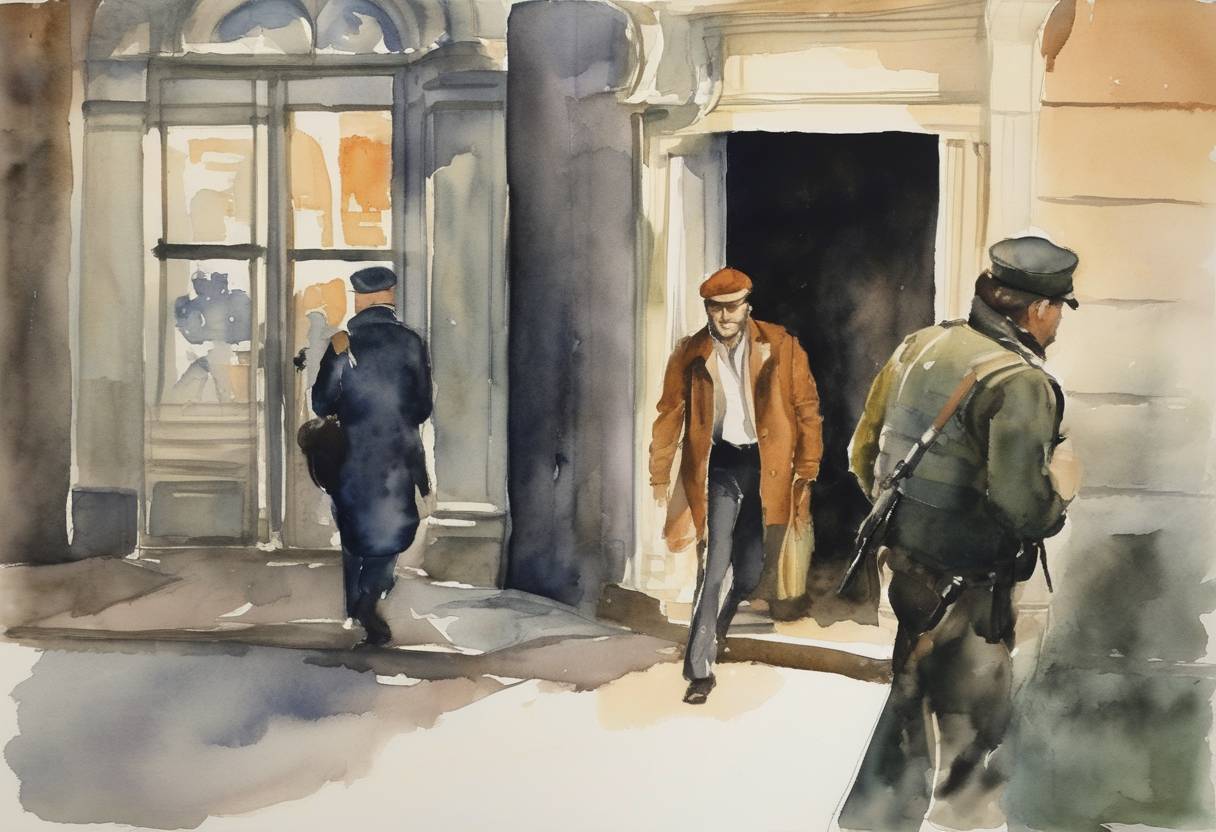
On August 23, 1973, a bank robbery took place at the Sveriges Kreditbanken located in Norrmalmstorg Square, Stockholm, Sweden. This incident later became infamous for giving rise to the term “Stockholm Syndrome.”
The robbery was executed by Jan-Erik Olsson, an escaped convict, who entered the bank armed with a submachine gun. Upon entering, Olsson fired shots into the air and took four bank employees hostage. Among his demands was the release of his friend, Clark Olofsson, who was then serving a prison sentence. The authorities complied, and Olofsson was brought to the bank to assist Olsson.
The hostages and captors retreated to the bank’s vault, beginning a tense standoff with the police that lasted six days. Throughout this time, the hostages surprisingly began to sympathize with their captors. Their fear of the police’s potential aggressive tactics increased their rapport with Olsson and Olofsson. The hostages vouched for the robbers’ humane treatment and even defended their captors’ actions after the crisis ended.
On August 28, the police used tear gas to force Olsson and Olofsson into surrender, ending the six-day ordeal. Remarkably, none of the hostages were physically harmed during the standoff. The incident drew significant media attention both in Sweden and internationally due to the unusual psychological dynamics that emerged between the hostages and captors.
The term “Stockholm Syndrome” was coined by criminologist and psychiatrist Nils Bejerot, who had advised the police throughout the siege. It describes the psychological phenomenon where hostages develop emotional bonds with their captors. While it is a rare occurrence, the syndrome has since been referenced in numerous studies and analyses of hostage situations worldwide.
Olsson was convicted and served time in prison, while Olofsson also faced legal consequences before being pardoned due to technicalities regarding his role. The hostages’ defense of their captors raised questions about the police’s handling of the situation and the psychological impact of prolonged captivity, influencing future hostage negotiation strategies.
The Stockholm robbery remains a significant event in both criminal history and psychological studies, illustrating the complexities of human relationships in extreme circumstances.
Source: en.wikipedia.org