Olusegun Obasanjo Sworn in as President of Nigeria - May 29, 1999
1999 · Abuja, Nigeria
Olusegun Obasanjo was sworn in as President of Nigeria, marking the end of military rule and the beginning of the Fourth Nigerian Republic.
April 30, 2023
Nigeria's President Muhammadu Buhari signs a revised Electoral Act into law that alters key provisions regarding the conduct of elections in the country, aimed at ensuring more transparency.
Abuja, Nigeria | Government of Nigeria
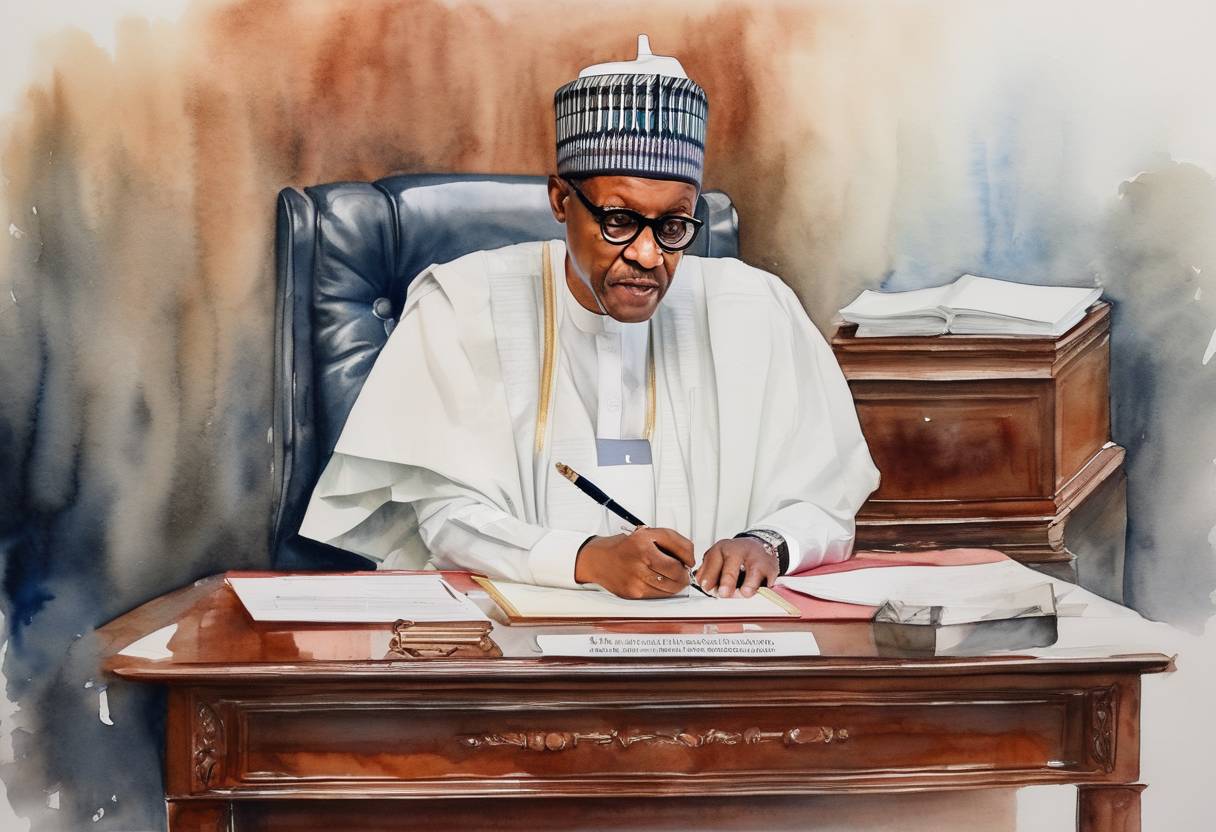
On April 30, 2023, Nigerian President Muhammadu Buhari signed a revised version of the Electoral Act into law, marking a significant development in the country’s legislative framework concerning the conduct of elections. This legislation aimed at enhancing the transparency and fairness of electoral processes in Nigeria, addressing longstanding issues within its electoral framework.
The revised Electoral Act introduced several pivotal changes, some of which include:
Tech-Driven Voting Processes: Increased emphasis on the use of electronic voting and transmission of results to minimize manual errors and opportunities for manipulation.
Funding and Finance Regulations: Stricter regulations on campaign financing, with the goal of reducing undue influence from wealthy individuals or groups over political candidates.
Independent Electoral Commission Empowerment: Greater autonomy and strengthening of the Independent National Electoral Commission (INEC) to ensure it operates without undue influence from political authorities.
Expansion of Political Participation: Measures to encourage more inclusive participation, such as expanded opportunities for marginalized groups including women and youth.
The enactment of the new legislation followed years of debates and feedback from a diverse range of stakeholders in Nigeria’s political landscape. Previous elections had been marred by accusations of fraud, voter suppression, and violence. These issues fueled public outcry and calls for legal reforms to restore public confidence in the electoral system.
The revised act was also a response to observations from international and domestic election observers who had long advocated for reforms to bolster electoral integrity in Nigeria.
The signing of the revised Electoral Act was met with a mix of optimism and skepticism. Proponents welcomed it as a step towards modernization and accountability in Nigeria’s elections, viewing it as a potential game-changer for future electoral cycles, particularly the upcoming general elections.
Critics, however, expressed concerns about implementation, fearing that without robust enforcement mechanisms, the changes might not effectively translate into practice.
This revised legislation is part of a broader effort across the African continent to reform electoral processes and enhance democratic governance. Nigeria, being one of Africa’s largest democracies, serves as a bellwether; successful implementation of these reforms could have a ripple effect on neighboring countries, encouraging similar legislative initiatives elsewhere.
The law marks a critical juncture in Nigeria’s democratic evolution and represents a significant commitment by the Nigerian government to address past challenges and improve the legitimacy and fairness of its electoral system.
Source: www.premiumtimesng.com