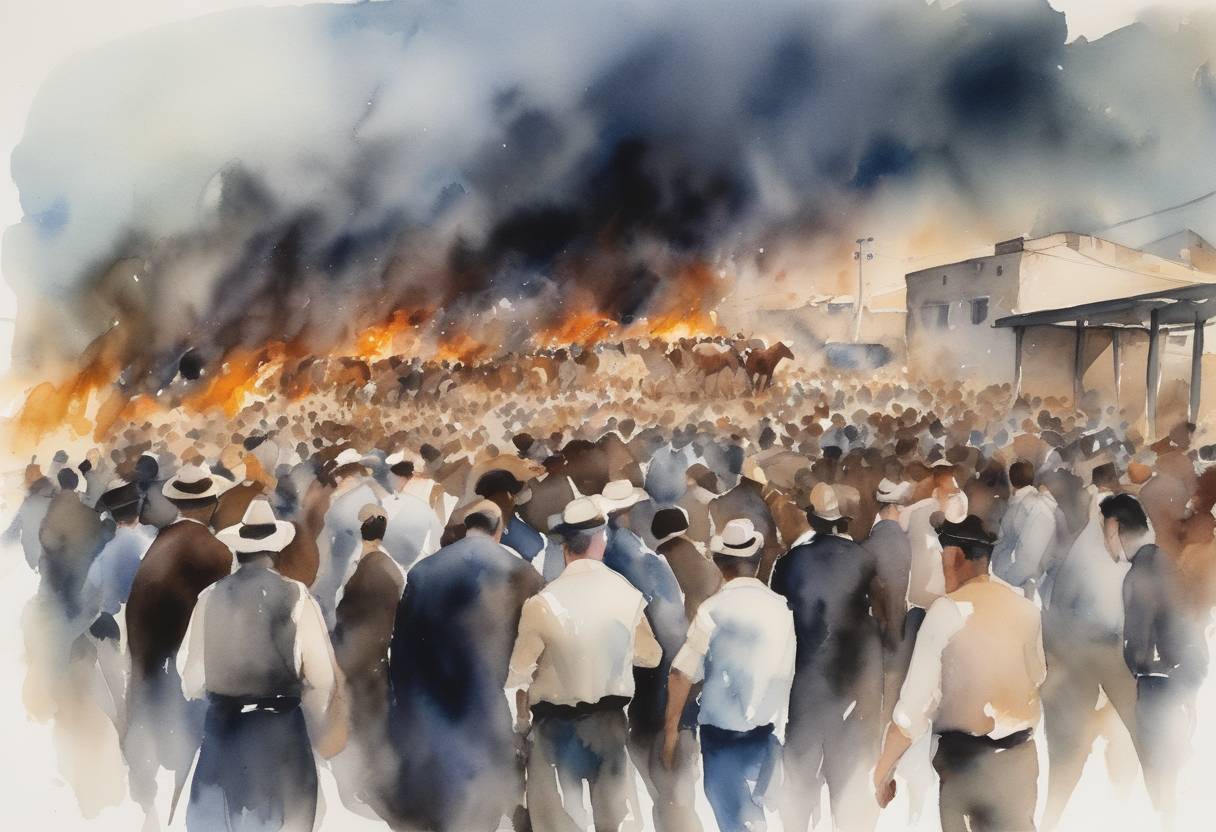
Mount Meron Stampede - April 30, 2021
On April 30, 2021, a tragic stampede occurred during the Lag BaOmer celebrations at Mount Meron in northern Israel, resulting in the deaths of 45 people and injuries to over 150 attendees. This event marked one of the deadliest civilian disasters in Israeli history.
Background
Lag BaOmer is a Jewish holiday celebrated on the 33rd day of the Omer, which involves counting the days between Passover and Shavuot. It is a time of joy marked by bonfires and festivities, commemorating the life and teachings of the Jewish mystic Rabbi Shimon bar Yochai, who is buried at Mount Meron. The annual pilgrimage to his tomb is a significant event, attracting tens of thousands of visitors from diverse Jewish communities worldwide.
Event Details
On the evening of April 29 and into the early hours of April 30, crowds gathered at the site for the celebrations. Despite COVID-19 restrictions, it was reported that approximately 100,000 people attended, which exceeded usual expectations due to limited gatherings earlier in the pandemic.
The stampede occurred in a narrow, sloped passageway at the site known as “Reb Dov Stairs,” as participants moved through the constrained area. Witnesses described a densely packed crowd where people fell and others stumbled over them, leading to a catastrophic pileup. Due to the layout and conditions, rescue efforts were challenged by the confined space.
Aftermath and Response
In the wake of the disaster, Israel declared a national day of mourning. Israeli officials and international leaders extended their condolences, and an investigation was launched to determine the causes of the stampede and any potential lapses in safety protocols.
The tragedy prompted discussions about crowd control and safety measures, especially regarding religious and public gatherings. The incident underscored the need for better infrastructure and planning to prevent such occurrences during future events.
Historical Significance
The Mount Meron stampede served as a somber reminder of the critical importance of safety in large, public events. It highlighted challenges inherent in managing mass gatherings, particularly in places of significant religious and cultural importance. This disaster also reflected the complexities of balancing traditional practices with modern safety requirements, shaping future policies and practices surrounding public events in Israel and beyond.