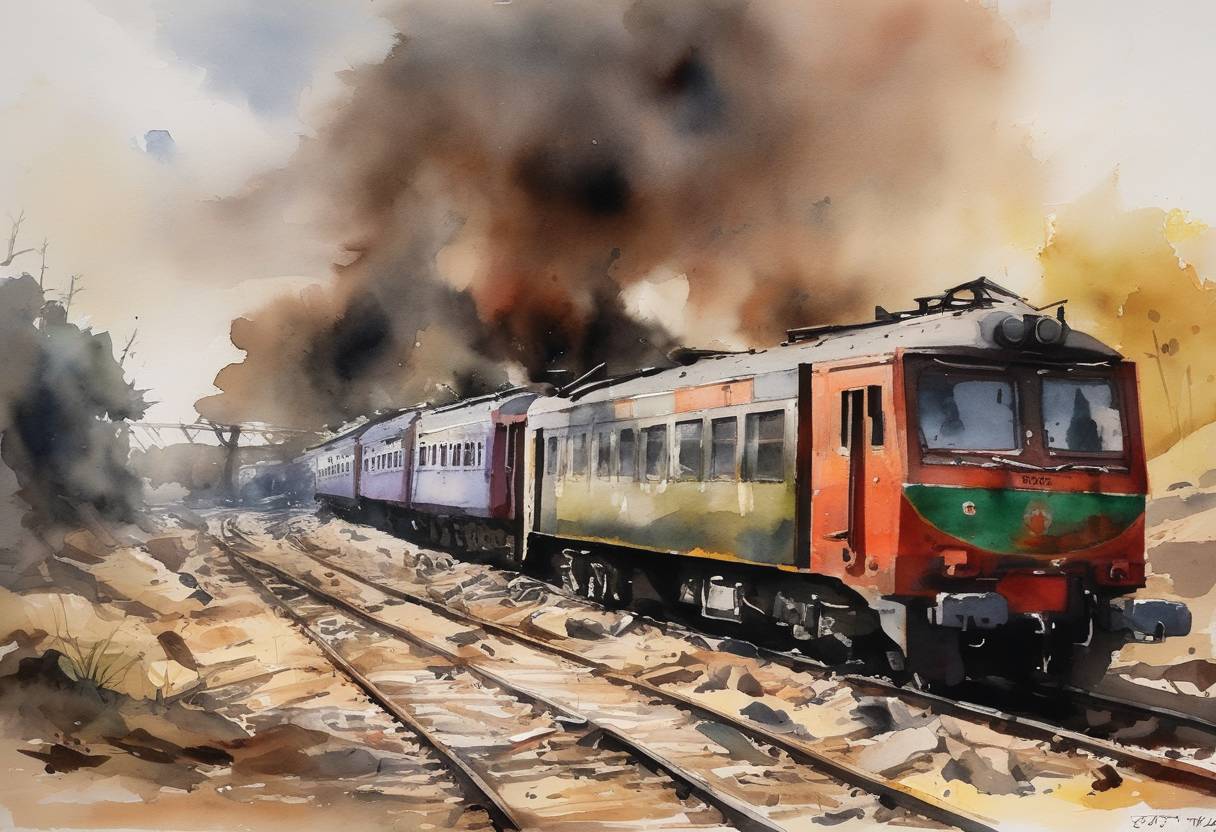
The 2006 Rajdhani Express Bombing
Overview
On March 22, 2006, a tragic bombing occurred on the Rajdhani Express, one of India’s premier passenger trains, resulting in the deaths of several passengers. The attack targeted the New Delhi-bound train, highlighting significant security vulnerabilities in Indian railways and underscoring the broader issue of terrorism within India during that period.
The Incident
The train bombing took place near a station in Bihar, within the eastern part of India. A high-intensity explosive device was planted in one of the coaches of the Howrah-New Delhi Rajdhani Express. The explosion led to the derailment of the train, causing severe casualties and injuries. Emergency services and rescue operations were promptly deployed, but the sudden and destructive nature of the blast resulted in considerable fatalities and critical injuries.
Context and Background
During this time, India was grappling with numerous security challenges, including insurgencies and terrorist attacks. Railways, being a critical part of India’s infrastructure and daily life, often became targets for such attacks. This incident further raised alarms about the safety measures in place for public transportation in the country.
Aftermath and Response
In the wake of the bombing, there was an immediate and widespread condemnation of the attack from both national and international figures. Indian authorities launched an investigation to uncover those responsible and to understand the security lapses that allowed for such an attack. The incident also led to increased security protocols within the Indian Railway system, aiming to prevent future incidents of this nature.
Historical Significance
The attack on the Rajdhani Express on March 22, 2006, is part of a string of terrorist activities reinforced in the mid-2000s, contributing to major policy shifts in terms of national security and transportation safety. This event, amongst others, propelled the Indian government to undertake a comprehensive review of the security architecture and implement more stringent measures to safeguard its rail networks.