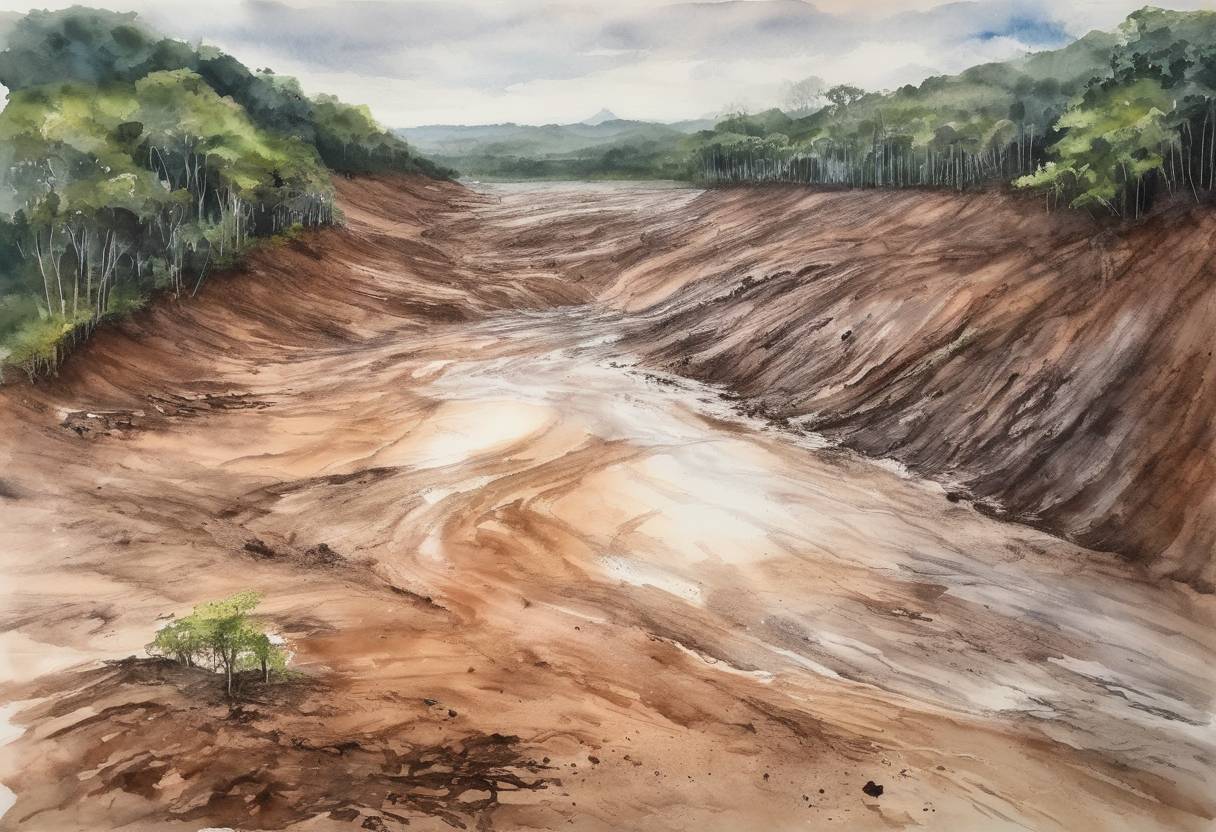
Dam Collapse in Brumadinho, Brazil - January 25, 2019
On January 25, 2019, a catastrophic dam collapse occurred at the Córrego do Feijão iron ore mine in Brumadinho, located in the state of Minas Gerais, Brazil. This disaster involved a tailings dam operated by Vale, a Brazilian multinational corporation involved in metals and mining. The failure of the dam resulted in an enormous mudslide composed of mining waste, which devastated the local environment and community.
Context and Precursors
Brumadinho is part of a region rich in iron ore deposits, and mining is a significant component of the local economy. Tailings dams such as the one at Córrego do Feijão are used to store byproducts produced during the mining process, and they can pose serious risks if not properly maintained. The collapse in Brumadinho was not the first such incident in Minas Gerais; a similar disaster occurred in 2015 at the Samarco mine.
The Event
At approximately 12:28 PM local time, the dam failed, releasing millions of tons of toxic sludge into the surrounding areas. This sudden inundation buried the mine’s administrative area, including a cafeteria where many workers were having lunch. The wave of mud also destroyed homes, farms, roads, and infrastructure in its path, particularly impacting the nearby Paraopeba River.
- Casualties: The disaster resulted in at least 270 deaths and left many missing. The rapid release of tailings buried individuals too swiftly for effective evacuation.
- Environmental Damage: The mudslide contaminated the Paraopeba River, jeopardizing water supplies for thousands. The ecosystem suffered significant harm from the toxic slurry.
- Economic and Social Consequences: Infrastructure destruction and loss of life severely affected the community and economy reliant on mining and agriculture.
Response and Aftermath
In the wake of the disaster, rescue efforts were promptly initiated, involving local authorities, firefighters, and volunteers. The Brazilian government and Vale faced intense scrutiny over safety practices, leading to probes and arrests related to potential failures in dam monitoring and regulatory compliance.
Environmental Impact: Recovery efforts included attempts to manage the toxic waste and prevent further contamination. Long-term environmental restoration was deemed necessary due to the scale of the spill.
Legislative and Regulatory Actions: The incident prompted a reevaluation of mining practices in Brazil, with increased demands for stricter regulations on dam construction and monitoring.
Corporate Responsibility: Vale was held accountable legally and financially, resulting in fines, compensation settlements, and adjustments in operational oversight.
The Brumadinho dam collapse underscored the critical importance of stringent mining regulations and highlighted the devastating consequences of industrial negligence on both communities and the environment.